
Last updated November 15, 2026
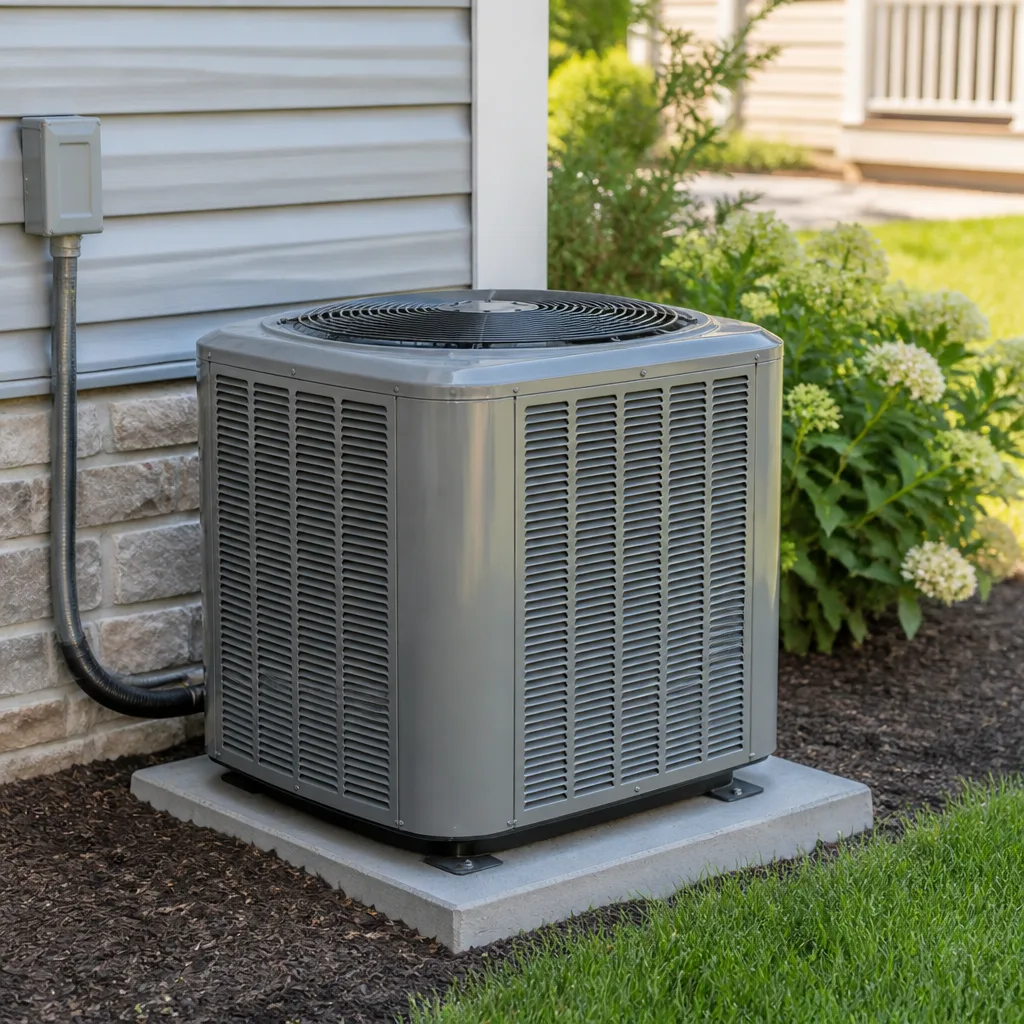 AC repair
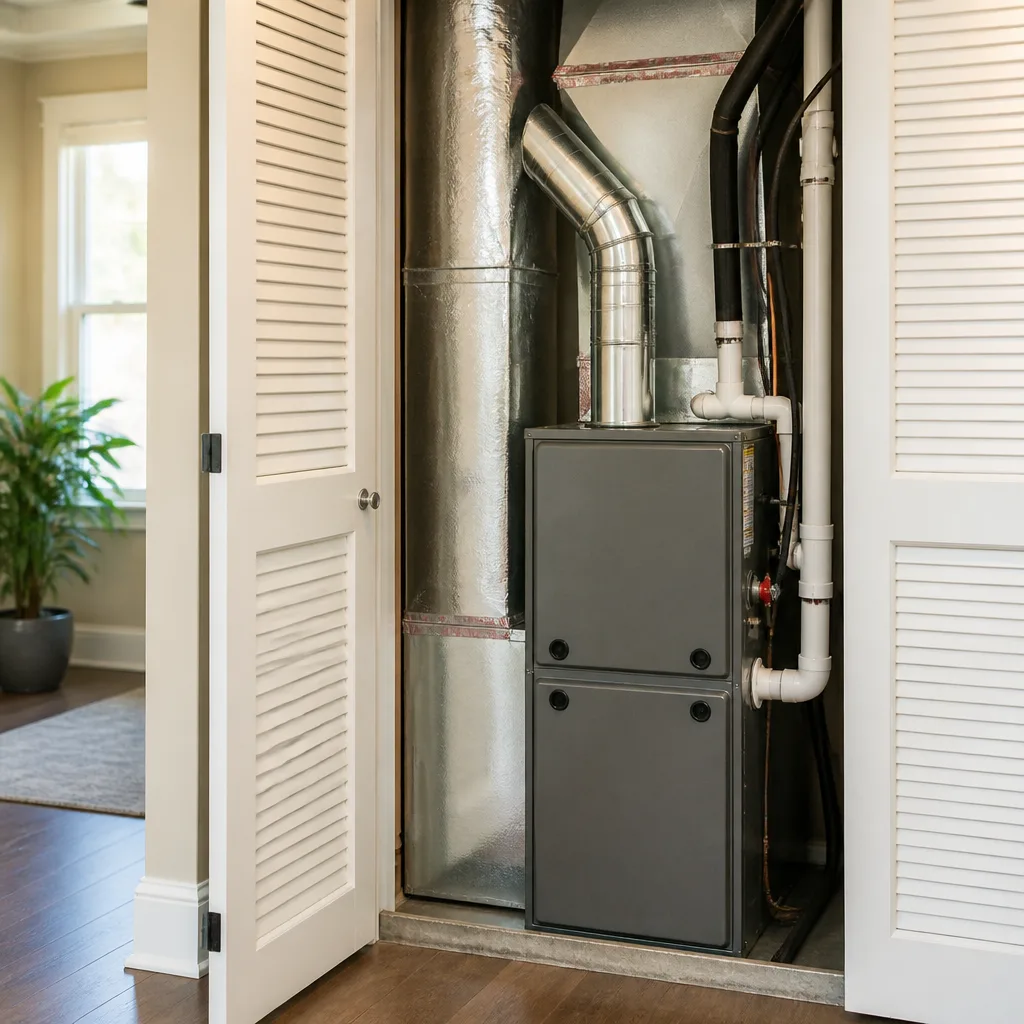 Furnace & heating
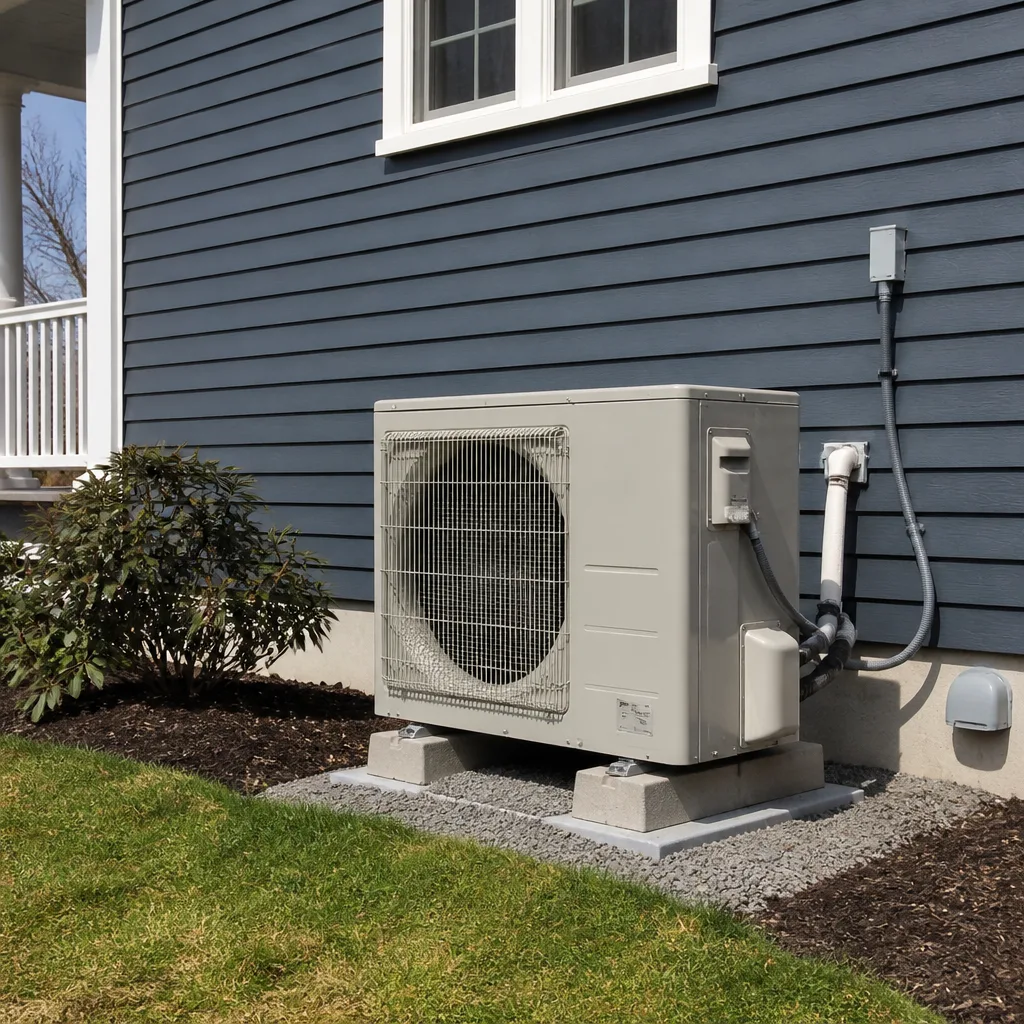 Heat pumps
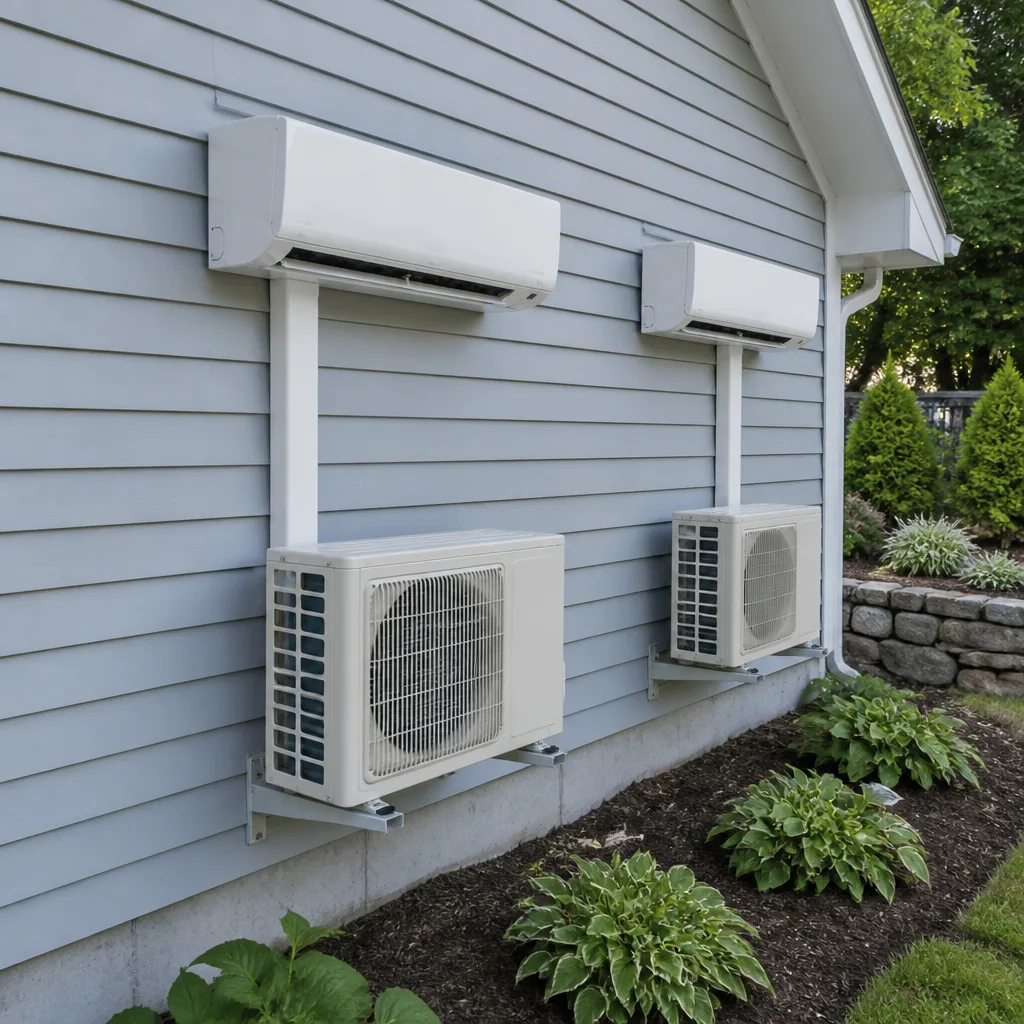 Ductless mini splits
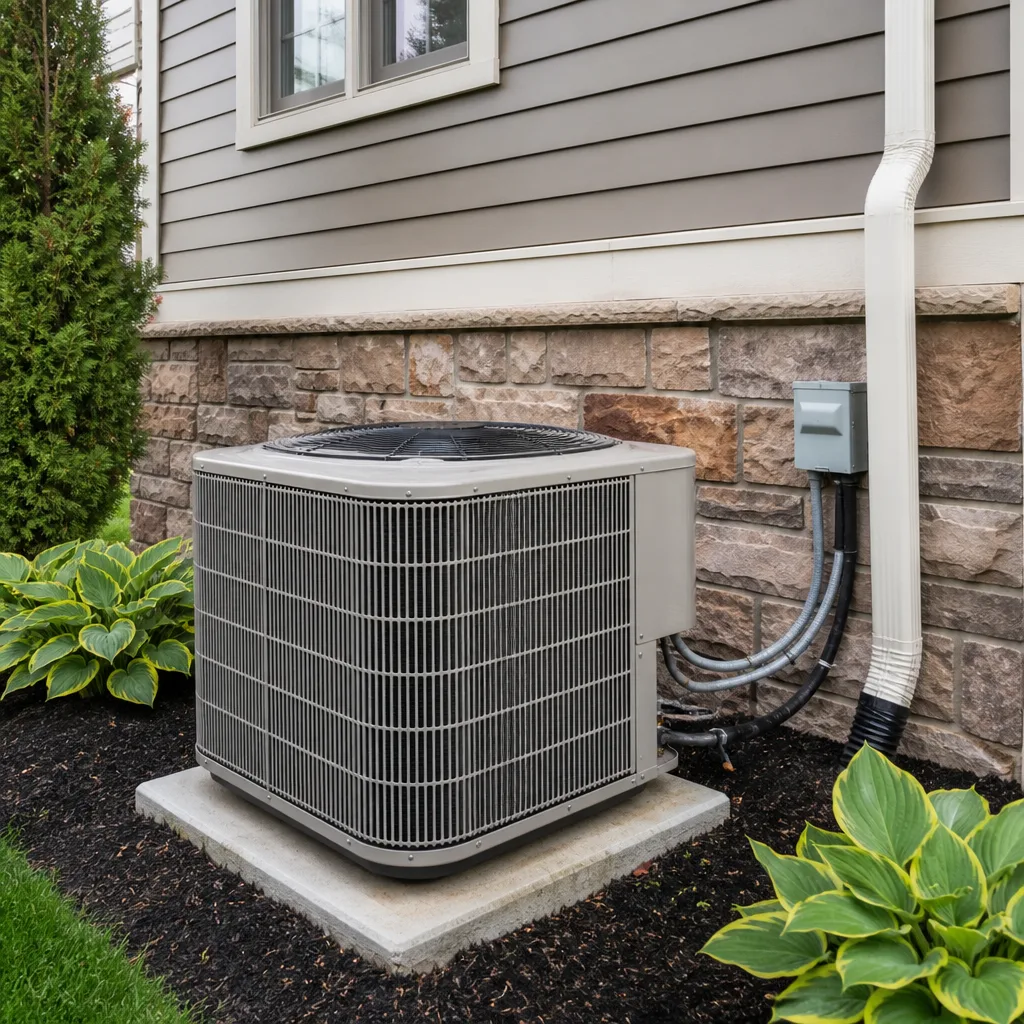 Carrier
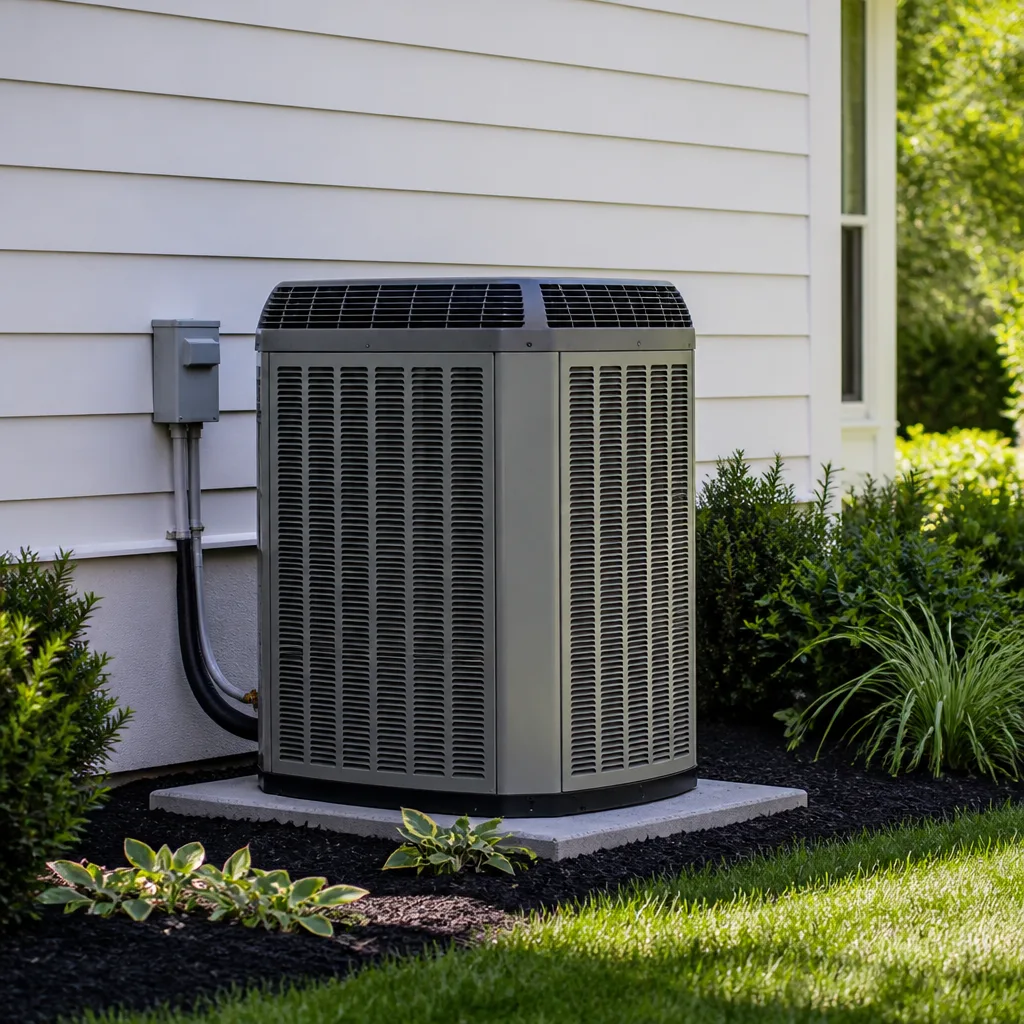 Trane
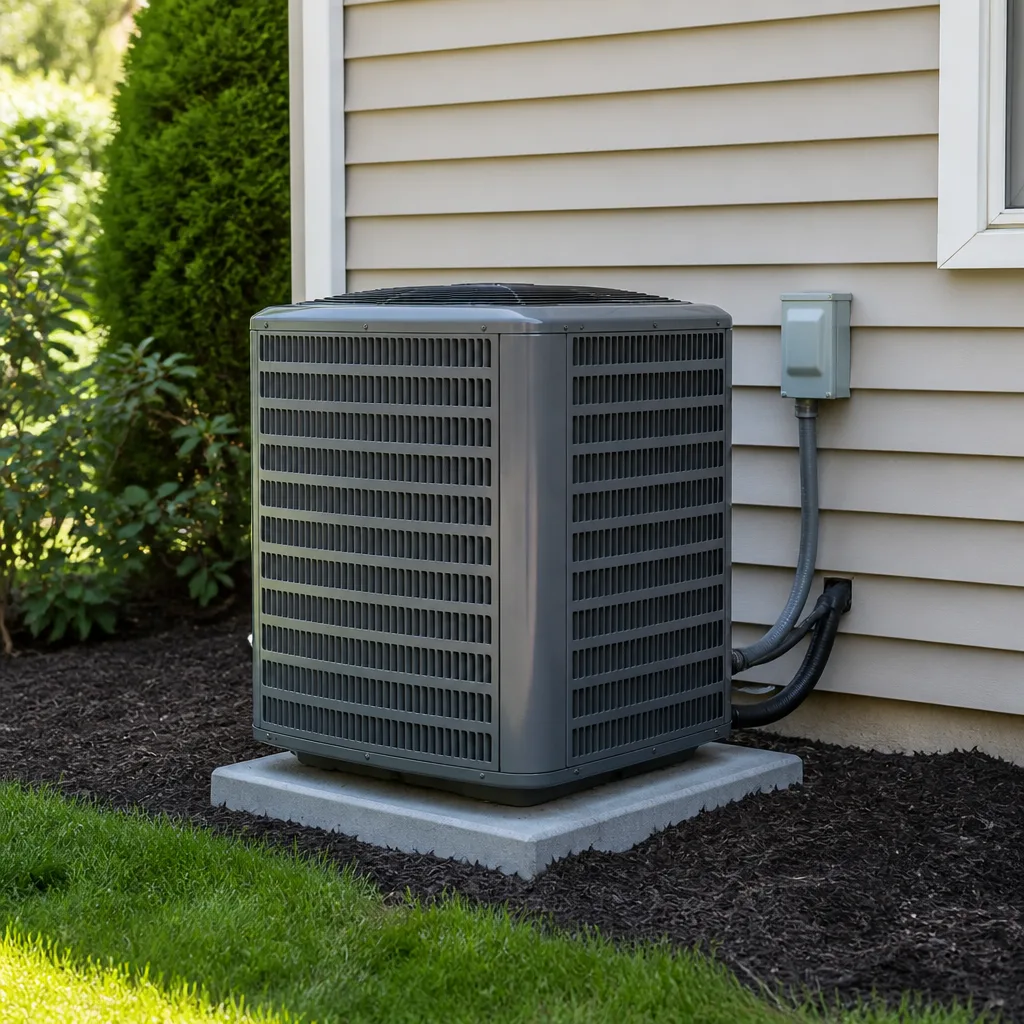 Goodman
Seasonal tune-up and full diagnostic on your Carrier, Trane, or Goodman system - readings shown to you before any repair is proposed
Diagnosis first, numbers second - you approve the repair price before a single part goes in.
Get your free estimateAC Installation Maintenance Checklist for Glendale Homeowners
The number-one cause of premature AC failure in the Glendale area isn’t a refrigerant leak or a failed compressor. It’s a maintenance schedule copied from somewhere else. Most checklists assume mild summers, soft water, and a system that gets a long winter break. Glendale runs none of those. When ambient temperatures sit above 95°F for days at a stretch, and when the utility water arrives hard from the LA Aqueduct, the wear pattern on an air conditioner changes: condensate lines scale up faster, coils load with dust off the foothills, and the system reaches peak load before anyone has thought about it. This guide is a maintenance calendar built around that reality, organized by what to do before the first heat wave, not after.
Quick Answer
A Glendale AC maintenance plan should run on a pre-summer track: clean the condenser coil after Santa Ana wind season, verify refrigerant charge before the first 95°F week, flush the condensate line and drain pan for hard-water scale, and match filter MERV rating to what your ducts can actually handle. The biggest predictor of a smooth summer is what gets done in spring and early June, not what gets fixed in August.
Styles & brands we work with
- AC repair
- Furnace & heating
- Heat pumps
- Ductless mini splits
- Carrier
- Trane
- Goodman
Table of Contents
- Why a Generic Maintenance Checklist Fails in Glendale
- The Pre-Summer Checklist: What to Do Before the First Heat Wave
- Coil Cleaning After Santa Ana Wind Season
- How Glendale’s Hard Water Affects Condensate Lines and Drain Pans
- Checking Refrigerant Charge Before Peak Load Hits
- Choosing the Right Filter MERV Rating for Older Glendale Ducts
- Post-Installation Inspection Points That Vary by Brand
- A Month-by-Month Maintenance Calendar for Glendale
- Common Mistakes to Avoid
- When to Call a Professional
- Frequently Asked Questions
Why a Generic Maintenance Checklist Fails in Glendale
Most AC maintenance advice is written for a national average. It assumes a long, cool off-season, a handful of hot weeks, and water that doesn’t leave mineral deposits behind. Glendale doesn’t match any of that. The city sits at the eastern edge of the San Fernando Valley, up against the Verdugo Mountains and the foothills of the San Gabriels, and that geography is what actually drives the maintenance calendar.
Two forces dominate. First, heat exposure. A system in Glendale doesn’t get a gentle ramp into summer. Ambient temperatures climb past 95°F and stay there, which means the compressor and condenser run near-continuously, and the system never gets a real cool-down window. Second, the dust load. The open foothills and the wind patterns that push through the valley during Santa Ana season coat condenser coils, outdoor units, and return-air grilles with grit that a coastal or inland-valley checklist simply doesn’t account for. Meanwhile, the water coming into these homes is hard enough that scale is a scheduled problem, not an occasional surprise.
Put those together and the maintenance priority order changes. A generic checklist treats maintenance as a once-a-year courtesy call. In Glendale it has to split into a pre-summer blocking-and-tackling list and a mid-summer watch list. The items that matter most happen in April and May, not August. In our experience, systems that get the pre-summer work done consistently outlast those that get the same attention in July, when the problem has already surfaced.
This is also why brand fluency matters. Whether you’re running a Carrier, Trane, Lennox, Goodman, Rheem, York, Daikin, Bryant, or American Standard unit, the same Glendale forces are acting on it. The differences lie in how each brand’s equipment handles the stress, which is why we’re certified to work on all of them. Whatever brand you have, we know it.
The Pre-Summer Checklist: What to Do Before the First Heat Wave
Pre-summer AC maintenance in Glendale should be finished before the first sustained 95°F week, which typically lands in late June or early July. Everything on this list is about getting a head start so that the first heat wave is a comfort event and not a service call. Work through it in order, and do it while the system can still be safely operated for testing.
- Inspect the outdoor condenser unit for obstruction. Clear debris from the unit’s cabinet, the area directly around it, and any roof or yard clutter. Make sure airflow across the fins is unobstructed in all directions.
- Wash down the condenser coil fins. After Santa Ana wind season, the coil has absorbed grit that reduces its ability to reject heat. A gentle rinse from inside-out with the power off is the entry point; if the coil is heavily fouled, plan for a proper coil cleaning appointment.
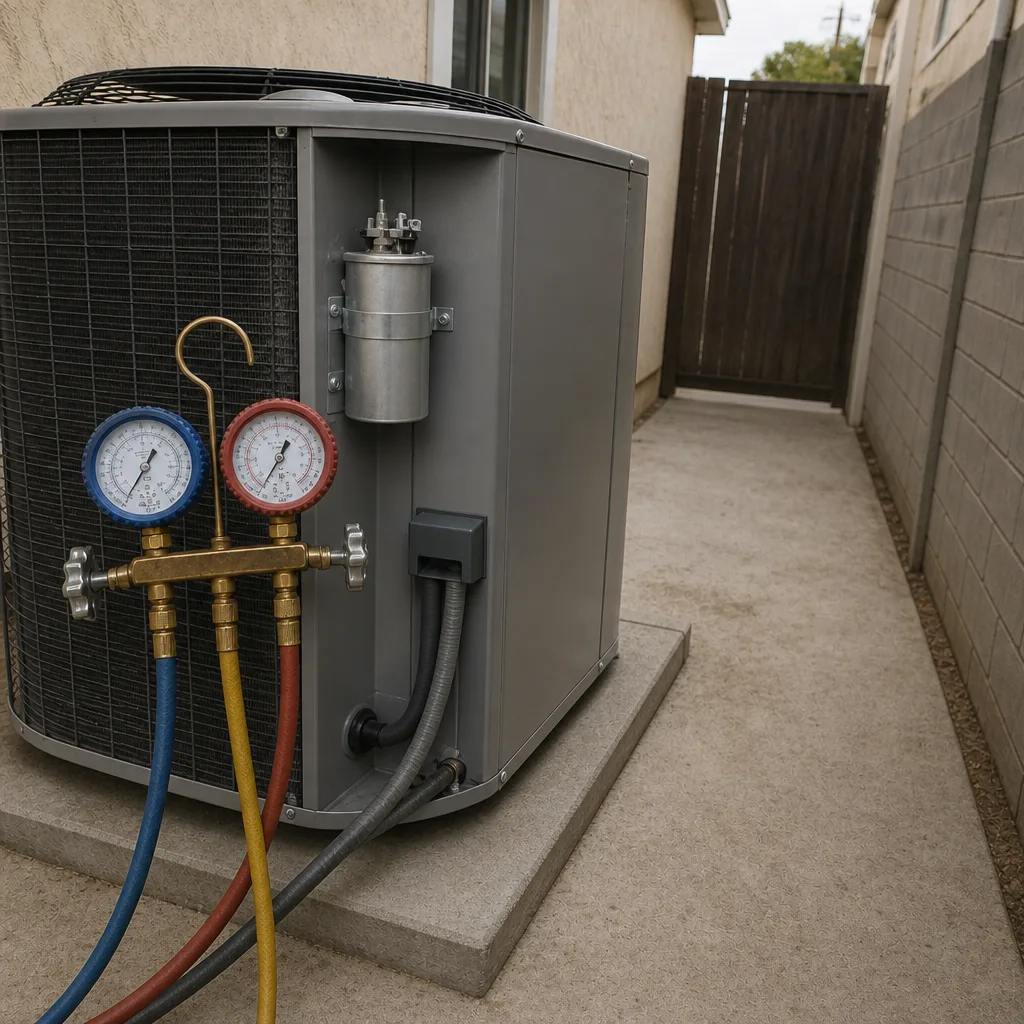
- Verify refrigerant charge and superheat/subcool. This is a technician task. Do not add refrigerant as a do-it-yourself step, and never open a system to top it off without diagnosing why it’s low. Charge problems amplify under peak load; catching them early is cheaper than catching them late.
- Flush the condensate drain and clear the trap. A hard-water system scales this line during the cooling season. If it hasn’t been flushed recently, the first week of heavy running can stop it up and trigger a shutdown or a pan overflow.
- Inspect and clean the drain pan. Look for scale, algae, or standing water. Standing water in a Glendale pan means the line is partially blocked or the pan’s slope is off.
- Replace the air filter. Confirm the correct MERV rating for your duct system before you buy (see the filter section below). A filter that’s too restrictive is worse than one that’s under-spec.
- Check the indoor coil and blower compartment. Clean the evaporator coil if accessible, and inspect the blower wheel for debris or imbalance.
- Test the thermostat and confirm the set points. Run the system briefly in both cooling and, if you heat with the same duct network, heating mode to confirm the changeover works before it’s needed.
- Test the electrical connections and the contactor. This is a technician task. Loose connections run hot under continuous load and are a common cause of mid-summer failure.
- Record a baseline. Note the system’s operating condition and the date. Next year’s pre-summer check has something to compare against.
New AC installation in Glendale doesn’t remove the need for this list. It’s a new system, not an exempt one. For a formal pre-summer appointment, our AC installation team handles full installation and commissioning, and every install gets a pre-summer baseline as part of the handoff.
Coil Cleaning After Santa Ana Wind Season
Condenser coil cleaning after Santa Ana wind season is the single highest-return spring task in Glendale because it restores heat rejection before the hottest weeks arrive. A dirty coil on a system running at 100°F ambient is the closest thing to a permanent throttle on the unit. The fins can’t shed heat, the compressor works harder, runtime climbs, and the system starts cycling on high-pressure limits during the worst part of the day.
Santa Ana season drives abrasive dust down through the valleys and across the foothill streets, and the outdoor unit catches a share of it. The indoor coil catches another share through the return and filter path. Both need attention before summer, and the outdoor coil specifically needs to be washed rather than just wiped.
- Power off the condenser before anything else. The disconnect at the outdoor unit handles this; if there is no clear disconnect, stop and call a technician.
- Clean from the inside out. Coil fins should be rinsed in the direction the airflow normally travels so that debris is pushed out of the coil, not deeper into it.
- Use a coil-safe cleaner, not a pressure washer. The fins are thin aluminum and bend easily. High pressure bends them permanently, and bent fins make the coil less effective, not more.
- Check the fins for visible damage. If a meaningful portion of the coil is crushed or flattened, the coil may need fin combing or replacement.
- Inspect the indoor evaporator coil for dust and biological growth. If the blower wheel is also dirty, clean it in the same visit.
Coil cleaning is also where we’ve seen the biggest brand differences in access. Some cabinets come apart easily; some make you work for it. Knowing the difference between a Carrier coil cabinet and an American Standard one is the kind of thing that saves an hour and a set of fasteners. Our technicians have up to 15 years of experience across these brands, which means the access plan doesn’t get improvised on the visit.
How Glendale’s Hard Water Affects Condensate Lines and Drain Pans
Glendale’s hard water, supplied through the LA Aqueduct system, accelerates mineral scale inside condensate lines and drain pans, so those components need a seasonal flush rather than an annual glance. Scale forms wherever water sits or drips, and a condensate system is the one place in an AC that has a steady water supply all summer. In soft-water climates, drain lines get algae and slime. In hard-water ones, they also scale. The combination is why condensate clogs show up earlier and more often here than a coastal maintenance guide would predict.
What that means in practice:
- Flush the line at the start of cooling season and again mid-summer. Two flushes is the realistic baseline in Glendale; one in May and one in early August catches the worst of both the scale and slime windows.
- Inspect the drain pan for scale and mineral deposits. A pan that’s scaled up doesn’t drain correctly even when the line itself is clear.
- Check the condensate trap. A trap that’s dry or misaligned allows air to pass and water to pool.
- Watch for pan overflow or a shutdown. Either one means the line or the pan has already failed. Don’t run the system until it’s cleared.
- Consider an overflow safety switch if you don’t have one. This shuts the system down before a clog reaches the pan, which is cheaper than a ceiling repair.
Because the water is hard, the failure pattern here isn’t “the drain eventually clogged” but “the drain began scaling in week three.” That’s why the checklist treats the condensate line as a seasonal item with two touch points, not an annual one. If your condensate line has already clogged twice this summer, that’s a sign the pans or trap need proper inspection, not another flush.
Checking Refrigerant Charge Before Peak Load Hits
Refrigerant charge should be verified in spring, before the system sees its first sustained 95°F week, because undercharge and overcharge both get masked by mild weather and amplified by heat. A system that runs fine in May can fail in July if the charge is slightly off, because peak load is where the operating envelope gets squeezed. Catching it in spring means a topped-off system has a full season ahead of it rather than a mid-summer breakdown.
Refrigerant work is not a do-it-yourself task. Handling refrigerant requires licensing and the right equipment, and a system that’s low on charge has a reason it’s low, usually a leak. Adding refrigerant to a leaking system without finding the leak is the equivalent of filling a bucket with a hole in it. A correctly trained technician measures superheat and subcool, pressures, and ambient conditions together, and then decides whether a top-off, a leak repair, or a further diagnosis is the right call.
At peak load, the symptoms of an off-charge system show up clearly:
- Long runtimes and poor cooling during the hottest part of the day, even when the thermostat is set normally.
- Frost or condensation on the indoor coil or suction line. A frosted line is a serious signal; shut the system down and call for a technician.
- Elevated pressures on the high side if overcharged, or low suction pressure if undercharged.
- Compressor short cycling or tripping. A compressor that runs hot under load can trip on thermal protection; that’s an electrical safety device stopping the system before it damages itself.
- Ice forming on the outdoor unit. Uncommon but a clear sign of a refrigerant or airflow problem.
In Glendale, the peak-load window is real, and it arrives fast. Verifying charge in spring isn’t a precaution, it’s the difference between a working system in July and a service call in a week when everyone else is making one too.
Choosing the Right Filter MERV Rating for Older Glendale Ducts
For most older Glendale duct systems, MERV 8 to MERV 11 balances air quality with airflow; MERV 13 and above can add enough restriction to starve a system that was designed around lower pressure drop. This is where a lot of well-intentioned maintenance goes wrong. A higher MERV sounds better, but if the ducts, blower, and evaporator coil can’t handle the extra restriction, the system runs long, the indoor coil gets cold and sweaty, and the blower motor strains.
Glendale’s housing stock is mixed: mid-century homes with original duct runs, newer builds with tighter return paths, and plenty of homes with retrofitted returns. Each of these can handle a different filter load. The rule of thumb:
- Older homes with undersized returns or long duct runs: stay at MERV 8. This is the default for anything that hasn’t had a proper static pressure check.
- Homes with adequately sized ducts and clean coils: MERV 11 is a reasonable step up if dust or allergies are the concern.
- Homes with dedicated filter racks and a static pressure check confirming headroom: MERV 13 is workable, but only if the blower can deliver the airflow the system needs.
- Never buy a high-MERV filter because the label sounds better. If airflow drops and the system ices up, the filter is the problem, not the solution.
- Buy a filter that fits without gaps. A perfect MERV rating on a filter that bypasses air past its edges is worse than a modest filter that seals correctly.
One more Glendale-specific filter point: change intervals are shorter here. The same dust load that coats the outdoor coil also fills the indoor filter. If a filter normally runs three months in a cooler climate, in Glendale it may need replacement at six to eight weeks through July and August. Check it monthly during the peak weeks and replace based on what you see, not on the label’s interval.
Post-Installation Inspection Points That Vary by Brand
Every brand’s commissioning checklist has gaps that a different brand’s checklist would catch, which is why post-installation inspection has to be brand-aware rather than generic. A Carrier commissioning checklist emphasizes one set of parameters. A Trane or American Standard checklist emphasizes another. Neither is wrong. But a technician who only knows one brand’s checklist will miss issues the other would flag. That’s the practical reason we’re certified across nine brands: post-installation inspection isn’t the same checklist repeated.
What varies, in broad terms:
- Refrigerant charging method. Some brands publish target subcool values, some target superheat, and some specify a method tied to indoor wet-bulb conditions. Using the wrong method on the wrong unit produces a charge that “looks right” and isn’t.
- Dip switch and configuration settings. Blower speed, staging, and airflow profiles are set differently from brand to brand. A default configuration that runs fine on one system can underperform on another.
- Common failure points. Each manufacturer has characteristic issues – a particular protective switch, a specific capacitor type, a known condensate path. Knowing the brand at commissioning tells the technician where to look first if something is off.
- Warranty registration and documentation. What’s required for warranty coverage differs by brand. A proper handoff includes confirming what’s registered and where the paperwork lives.
- Drain pan and coil placement. Access to the pan and coil varies by cabinet design, and that affects how easy the pan is to clean in the future.
If your installation is being quoted by a technician who only handles one brand, ask what happens if the equipment that fits your home best isn’t theirs. The answer matters. Our position on Jasper AC Repair pages is that brand-neutral advice is the entire point: recommendations should be driven by your house and your budget, not by which brand the installer sells.
A Month-by-Month Maintenance Calendar for Glendale
Glendale’s maintenance calendar splits into a pre-summer track (March to June), a peak-season watch track (July to September), and a recovery track (October to February). Four generic seasons don’t map to the local pattern. The following calendar does.
March – April: Post-Winter and Pre-Heat
- Inspect the outdoor unit and clear winter debris. Debris accumulates after any wind events and the start of spring growth.
- Wash the condenser coil. Santa Ana season may still produce a dust event, but the first coil cleaning is typically scheduled here.
- Replace the air filter and check the return grille.
- Test the heating-to-cooling changeover.
May – June: Pre-Summer Blocking and Tackling
- Full technician inspection: refrigerant charge, contactor, capacitor, motor draw, and coil condition.
- Flush condensate line and inspect the drain pan before the first hard-water scaling cycle.
- Verify filter MERV and replace. Check static pressure if the ducts are old.
- Clean the indoor evaporator coil if it shows dust accumulation.
July – September: Peak-Season Watch
- Monthly filter check and replacement as needed. Don’t wait for the label interval.
- Mid-season condensate line flush – the second of the year.
- Listen for new noise, watch for ice, and check the thermostat’s runtime log. Long runtimes in peak heat are a signal to call, not a signal to wait.
- Clear any debris that has blown into the outdoor unit’s surroundings.
October – February: Recovery and Heating Season
- Switch to furnace-side maintenance as cooling season winds down, and address heating issues now rather than mid-winter. Our furnace repair technicians handle that transition, and full furnace replacement when the repair math stops making sense.
- Clean both the evaporator and condenser coils during the shoulder season when the system has a clear downtime window.
- Test the heating cycle fully before the first cold week.
- Prepare the system for the next pre-summer inspection in March or April.
This calendar isn’t just a tally. It’s an order of operations. Doing the pre-summer work in March lets any discovered problems get repaired before July. Doing the same items in July forces them into the busiest window of the year, and that’s when a small issue becomes a failure.
Common Mistakes to Avoid
- Following a checklist built for a coastal or mild-summer climate. A schedule that would work in a cool coastal town will not work in Glendale, where systems run at near-continuous peak load through the hottest weeks. The pre-summer items on the wrong calendar arrive too late.
- Skipping coil cleaning after Santa Ana season because the unit “looks fine.” A dirty coil doesn’t get the chance to show itself until the first heat wave, when the system has to shed more heat than the coil can. Cleaning before the first 95°F week is the whole point.
- Using a higher-MERV filter because it sounds better. MERV 13+ filters on older Glendale ducts routinely starve airflow and cause the indoor coil to ice. Match the filter to the duct system, not to the label.
- Topping off refrigerant without finding the leak. A charge that keeps dropping has a leak behind it. Adding refrigerant without addressing the leak costs more every year and hides the real problem.
- Ignoring the condensate line until it clogs. Hard water in Glendale makes clogging a when, not an if. The line needs at least two flushes per season, plus pan inspection.
- Treating commissioning as a brand-agnostic step. A Carrier, Trane, Lennox, or American Standard unit each has different charging methods and configuration settings. A generic commissioning is a missed inspection.
- Not writing down what was done and when. The only way to schedule next year’s pre-summer items accurately is to know what happened this year. A record of filter type, MERV rating, and last coil cleaning date prevents a repeat of the same surprises.
When to Call a Professional
Some items on this checklist belong in a technician’s hands. Anything involving refrigerant, electrical connections inside the outdoor unit or air handler, the compressor, or the contactor should be off-limits to a homeowner. If you see ice on the indoor coil or suction line, hear short cycling, notice the breaker tripping during peak heat, or find standing water under the indoor unit, stop and call. A clogged condensate line that has already reached the pan, a system that can’t keep up on a normal day, and a filter that keeps icing up are all signs of a problem that a seasonal checklist won’t fix on its own.
Jasper AC Repair offers free estimates in Glendale – call (855) 473-8857. We answer 24/7. Fast dispatch from 7am to 7pm, Sunday through Friday, so if a Glendale system fails during a heat wave, we can talk through the options and schedule a visit in the next opening rather than the next business week.
Frequently Asked Questions
Clean the condenser coil at least once a year after Santa Ana wind season, and clean the indoor evaporator coil as needed based on dust accumulation. In Glendale’s dust environment, two condenser cleanings aren’t unusual in a heavy dust year. If the outdoor unit sits downwind of open ground or the foothills, it catches more grit and benefits from a second wash in early summer.
MERV 8 is the safe default for older Glendale duct systems, and MERV 11 is workable if the ducts and coils are in good condition. MERV 13 and higher can add too much restriction for older returns, so choose it only if a static pressure check confirms the system can handle it. If a filter change causes icing or weak airflow, go back a rating and have the ducts assessed.
Glendale’s water is hard, supplied through the LA Aqueduct system, so condensate lines and pans build mineral scale faster than in soft-water climates. Scale and algae combine to narrow the line and slow the drain. Flushing twice per season – once in May or June and once in August – usually stays ahead of it. If the line clogs repeatedly, the pan slope or trap may need inspection, not just a flush.
You can safely give the outdoor coil a gentle rinse with the power off and clear debris from the unit. Anything that involves opening the cabinet, testing electrical components, or handling refrigerant is technician work. If the coil is heavily soiled, has bent fins, or the system has been running poorly, a professional cleaning is worth it – improper cleaning can damage fins and cause more restriction than it removes.
Yes, at the commissioning and inspection level. Refrigerant charging methods, blower configuration, and common failure points differ between brands – a Carrier system’s commissioning checklist isn’t the same as a Trane’s or a Bryant’s. Our technicians are certified to work on all nine of the major HVAC brands, including Carrier, Trane, Lennox, Goodman, Rheem, York, Daikin, Bryant, and American Standard. Whatever brand you have, we know it.
Schedule pre-summer maintenance in March, April, or May, before the first sustained 95°F week arrives. Doing the coil cleaning, refrigerant check, and condensate flush before peak load means that any issue gets caught while the system is still comfortably operable. Call (855) 473-8857 for a free estimate, or to book a pre-summer appointment. We answer 24/7 and dispatch fast from 7am to 7pm, Sunday through Friday.
The Bottom Line
The Glendale maintenance checklist works because it’s ordered around the local pattern: a pre-summer prep phase, a peak-season watch phase, and a shoulder-season recovery phase. Coil cleaning after Santa Ana season, two condensate flushes per year for hard water, refrigerant verification before the first 95°F week, and a brand-aware commissioning check are the items that matter most. None of it is complicated. It just has to be scheduled at the right time of year, which is the piece a nationally generic checklist gets wrong. Do the pre-summer items, keep a record, and call when something on the watch list shows up.
Written by the team at Jasper AC Repair.
See the difference
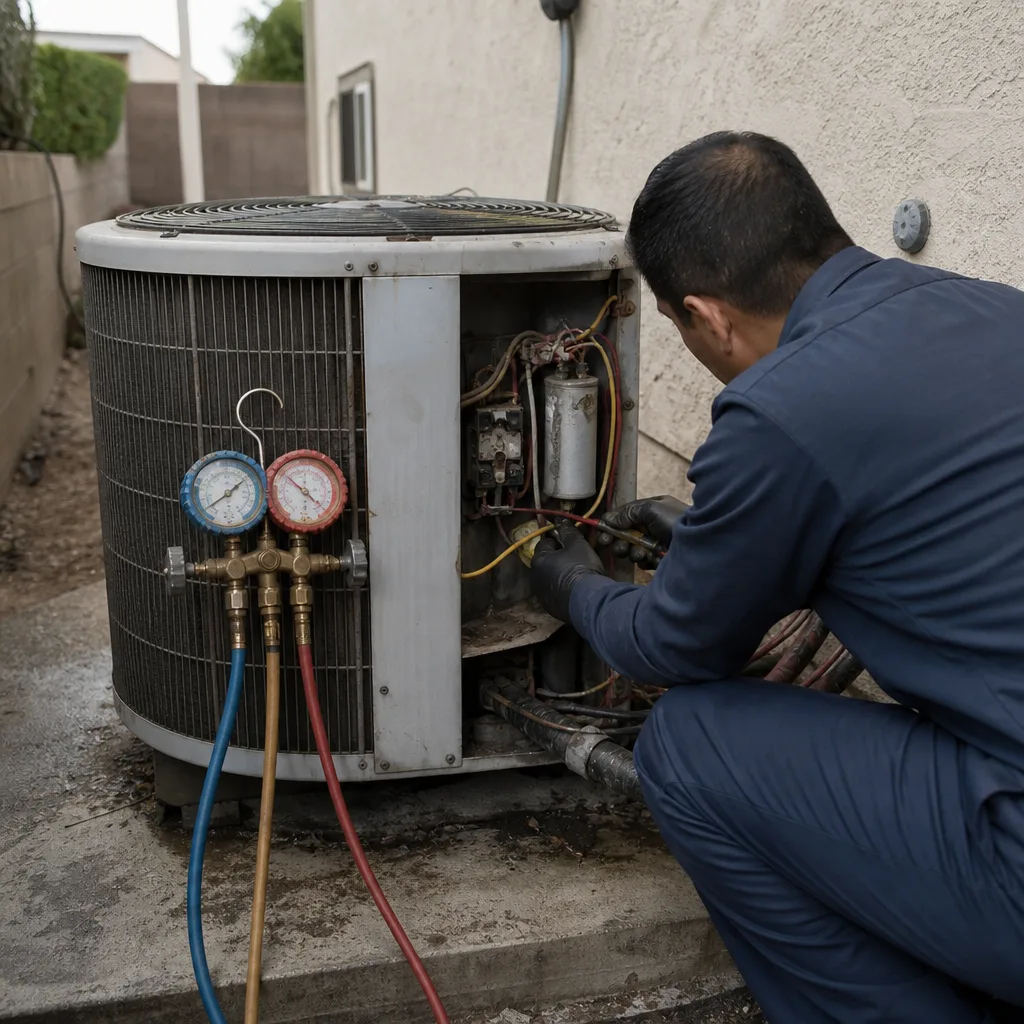 Before
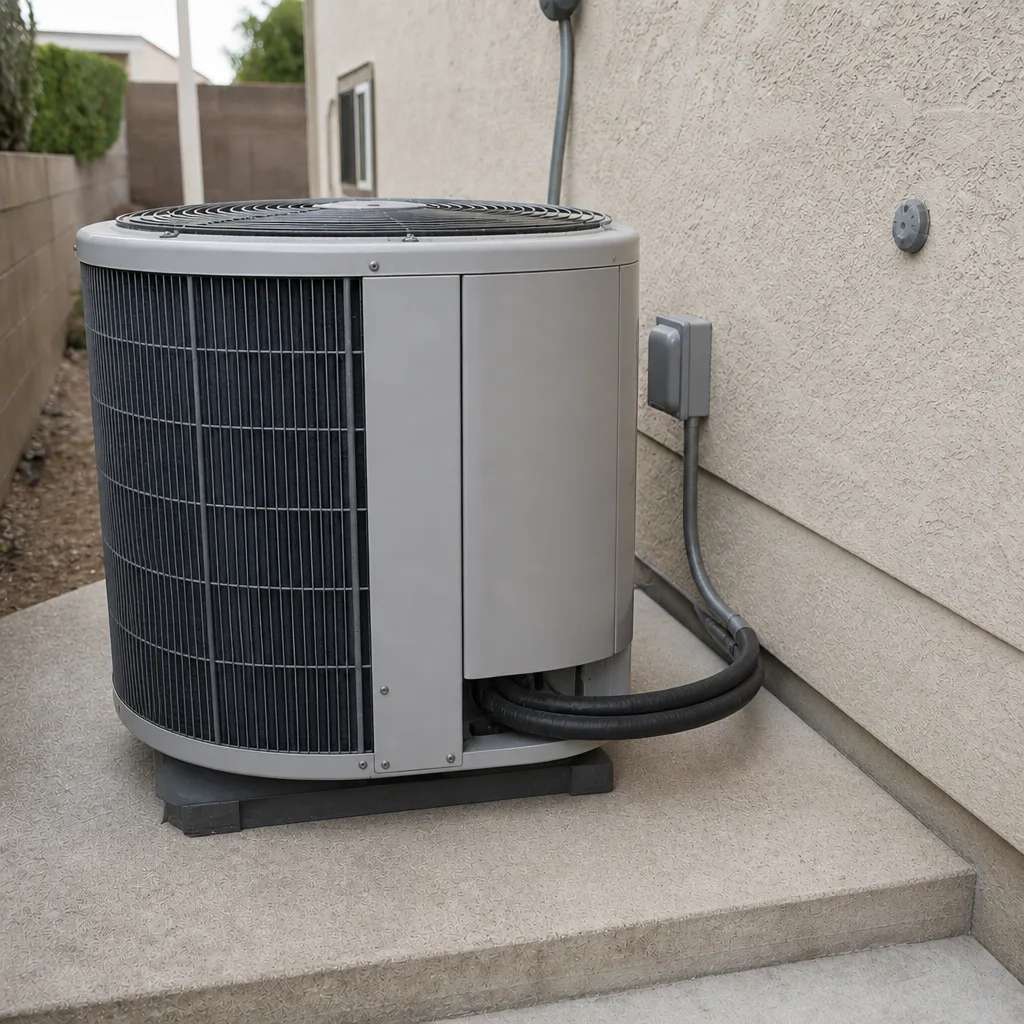 After
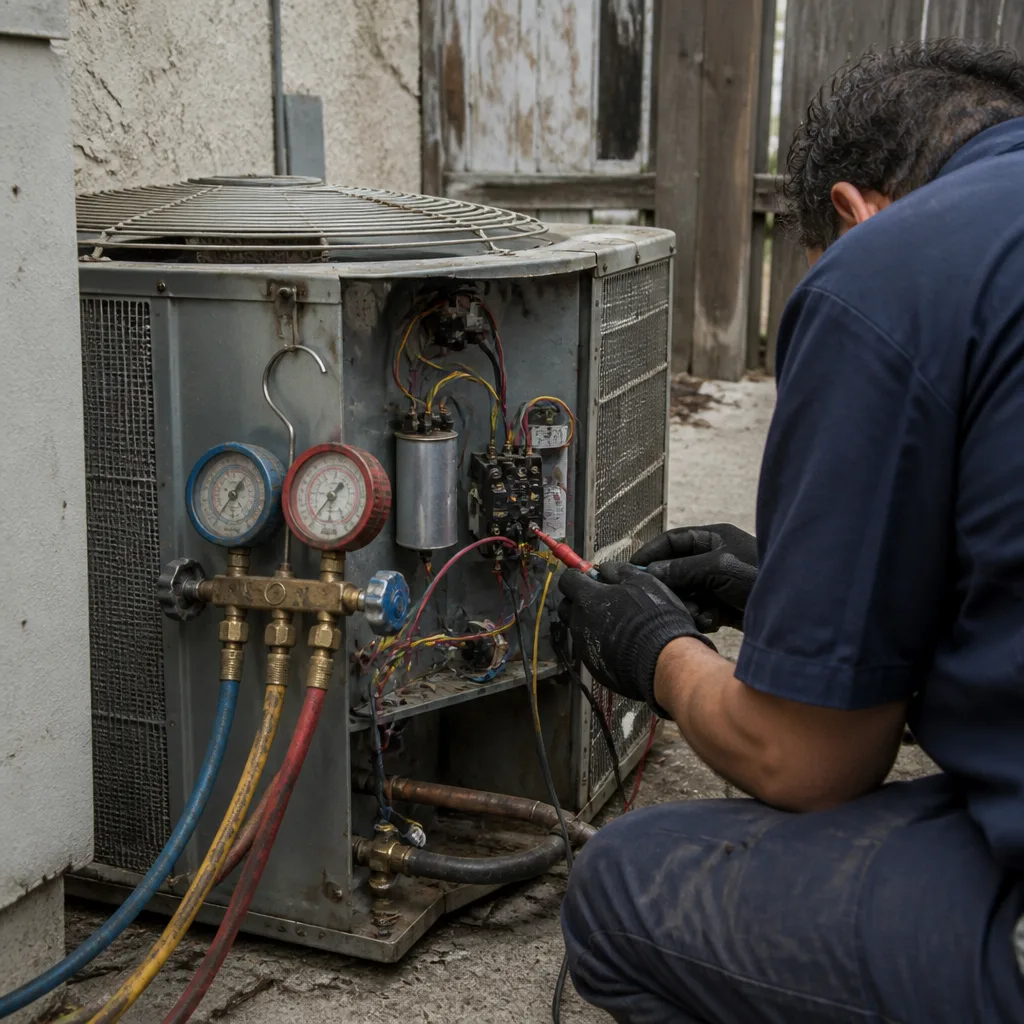 Before
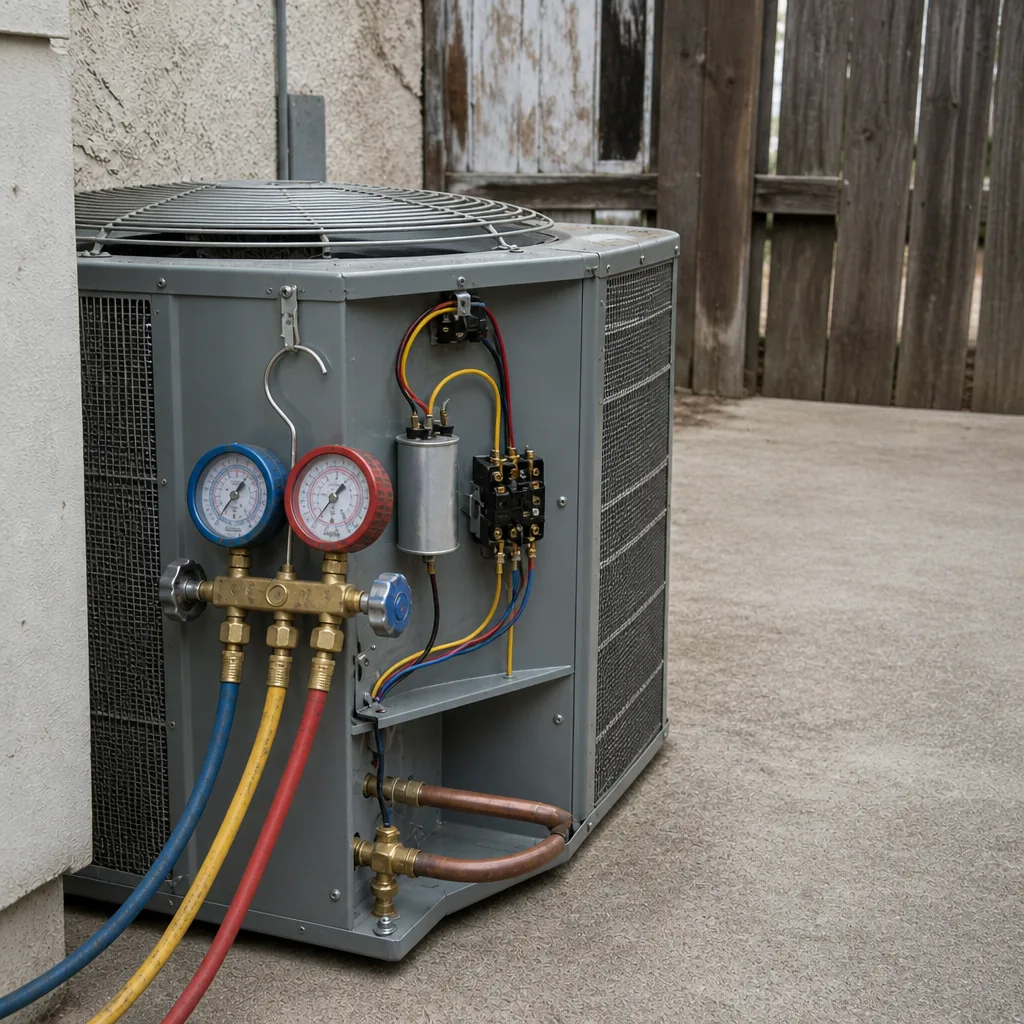 After
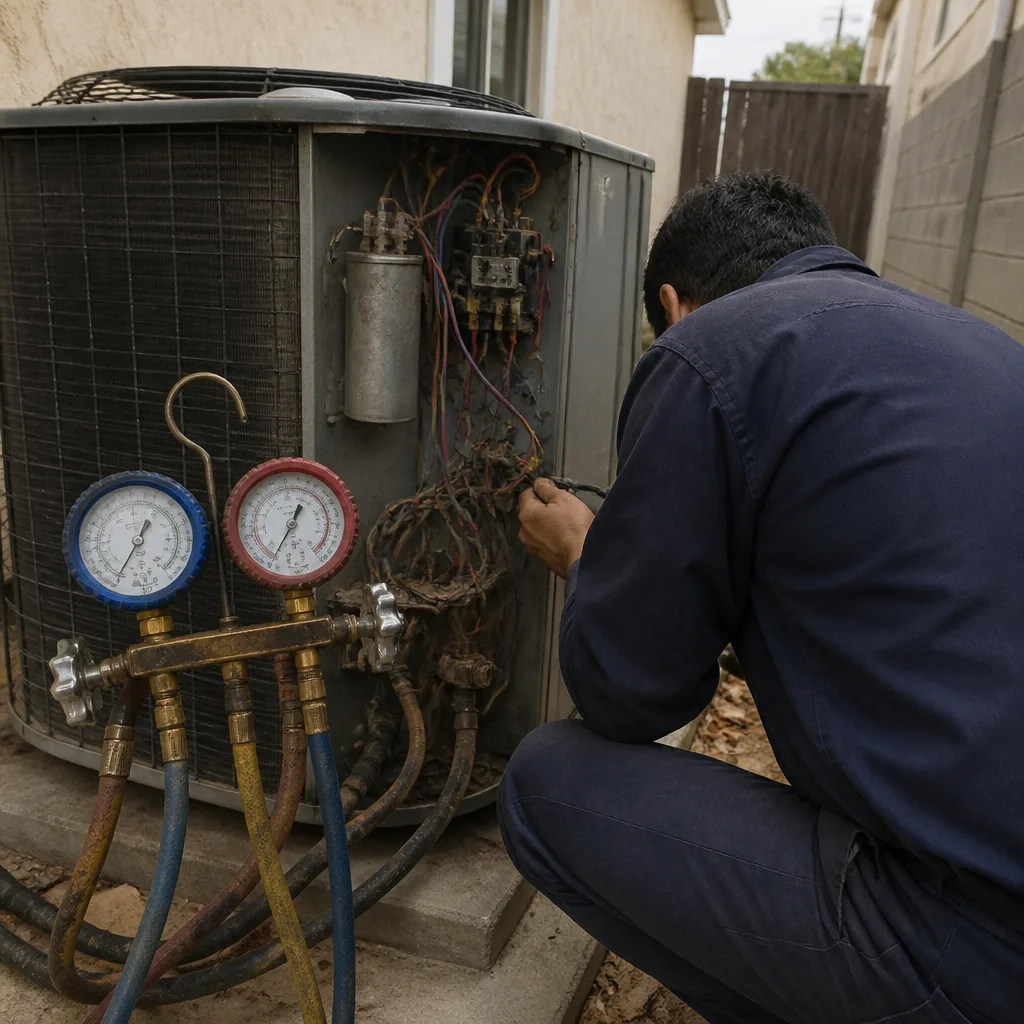 Before
 After