
Last updated November 15, 2026
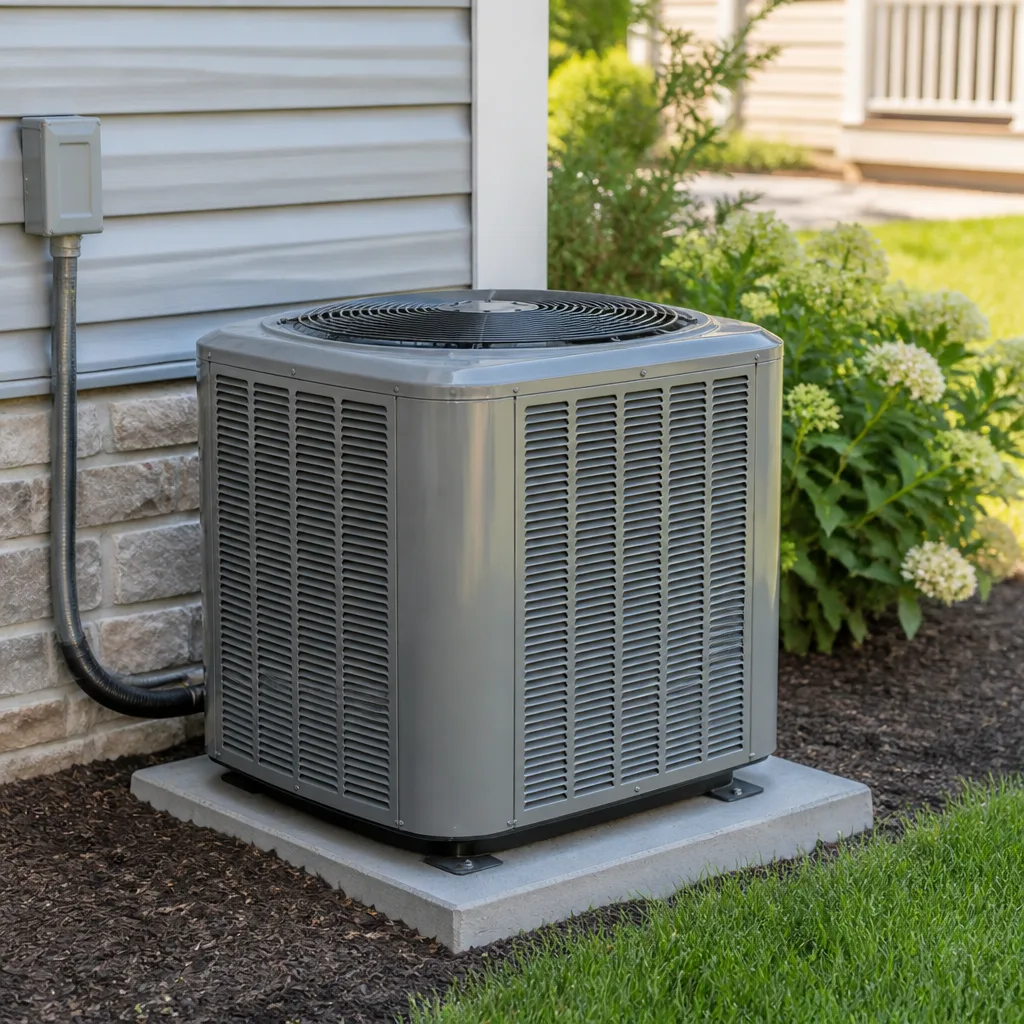 AC repair
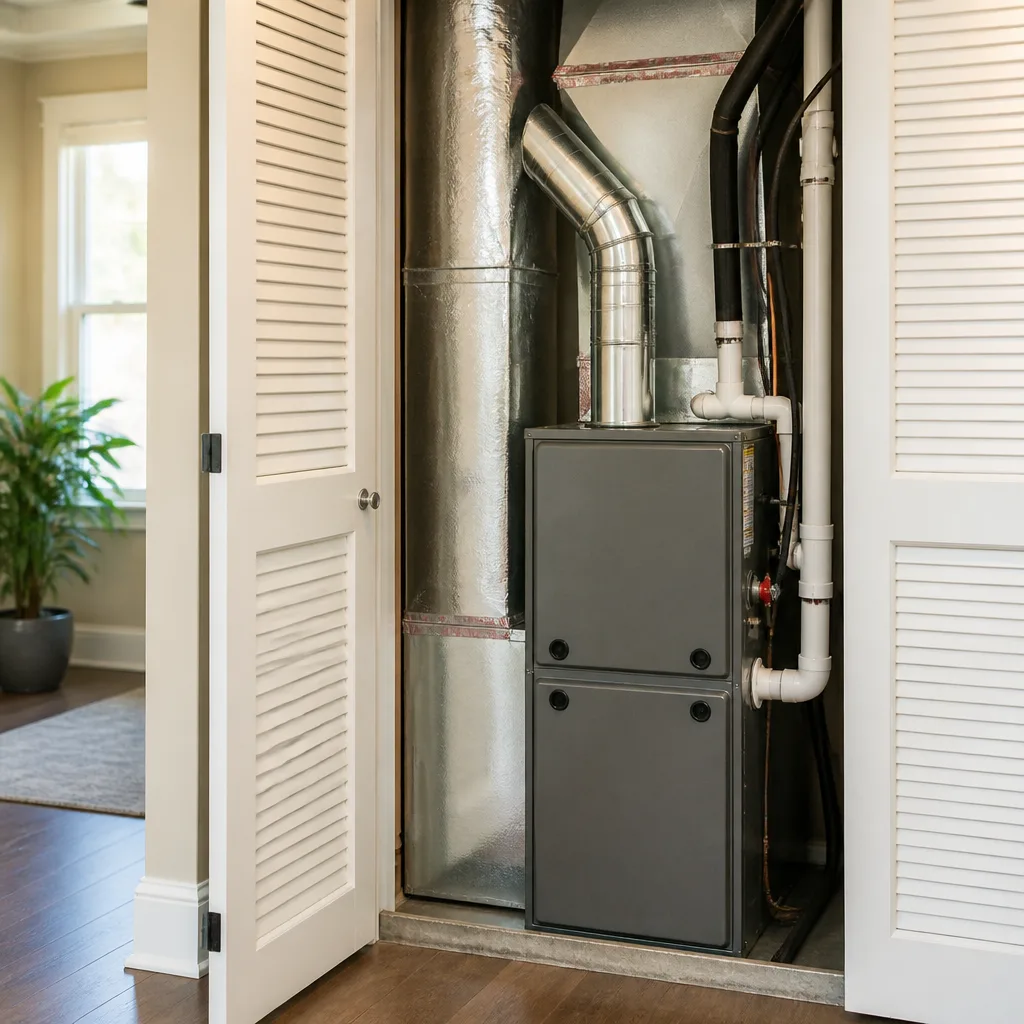 Furnace & heating
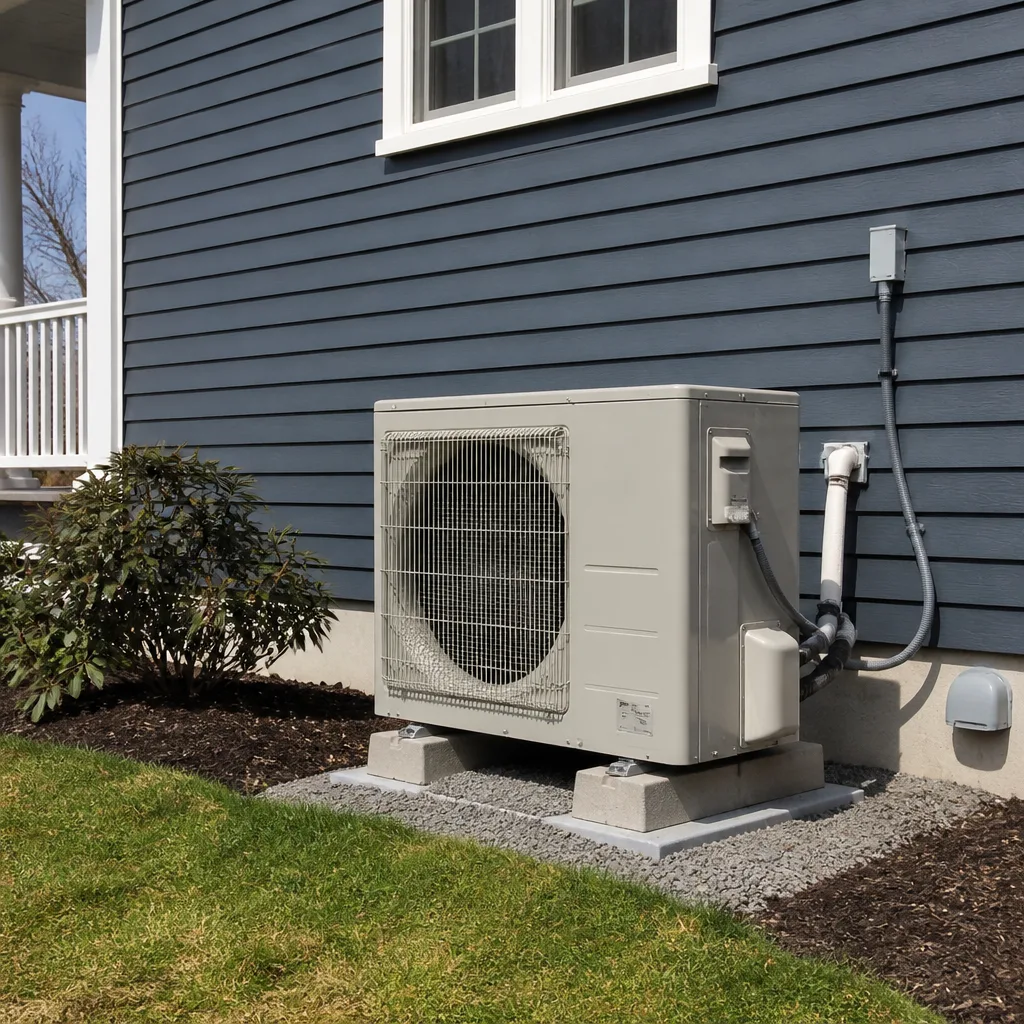 Heat pumps
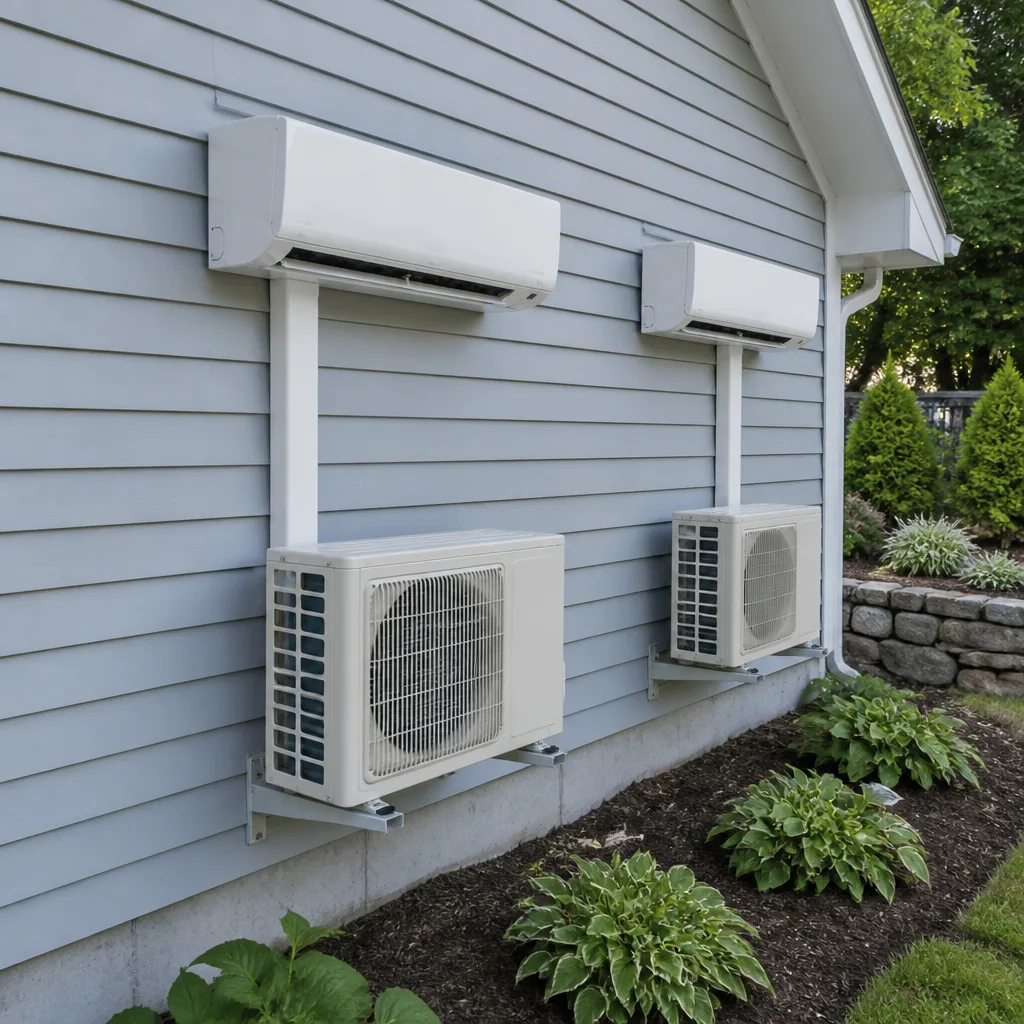 Ductless mini splits
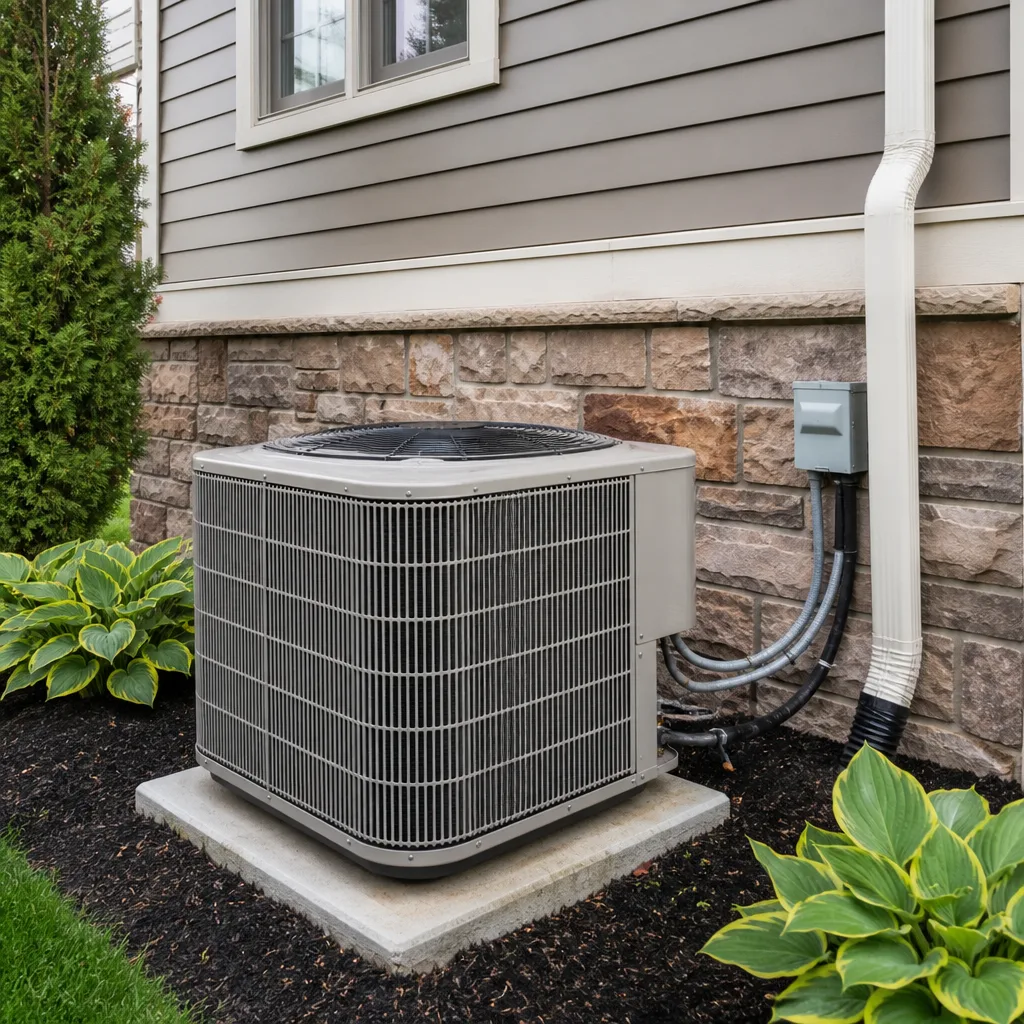 Carrier
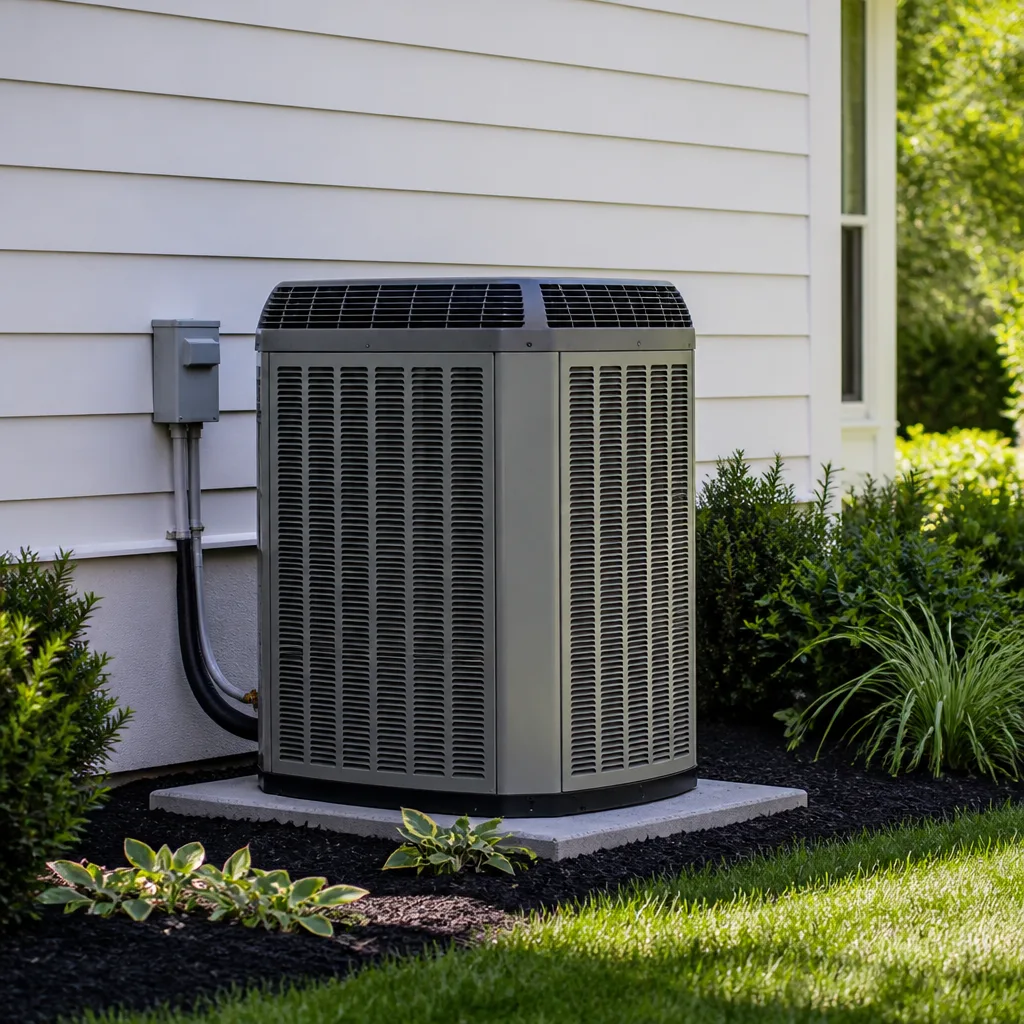 Trane
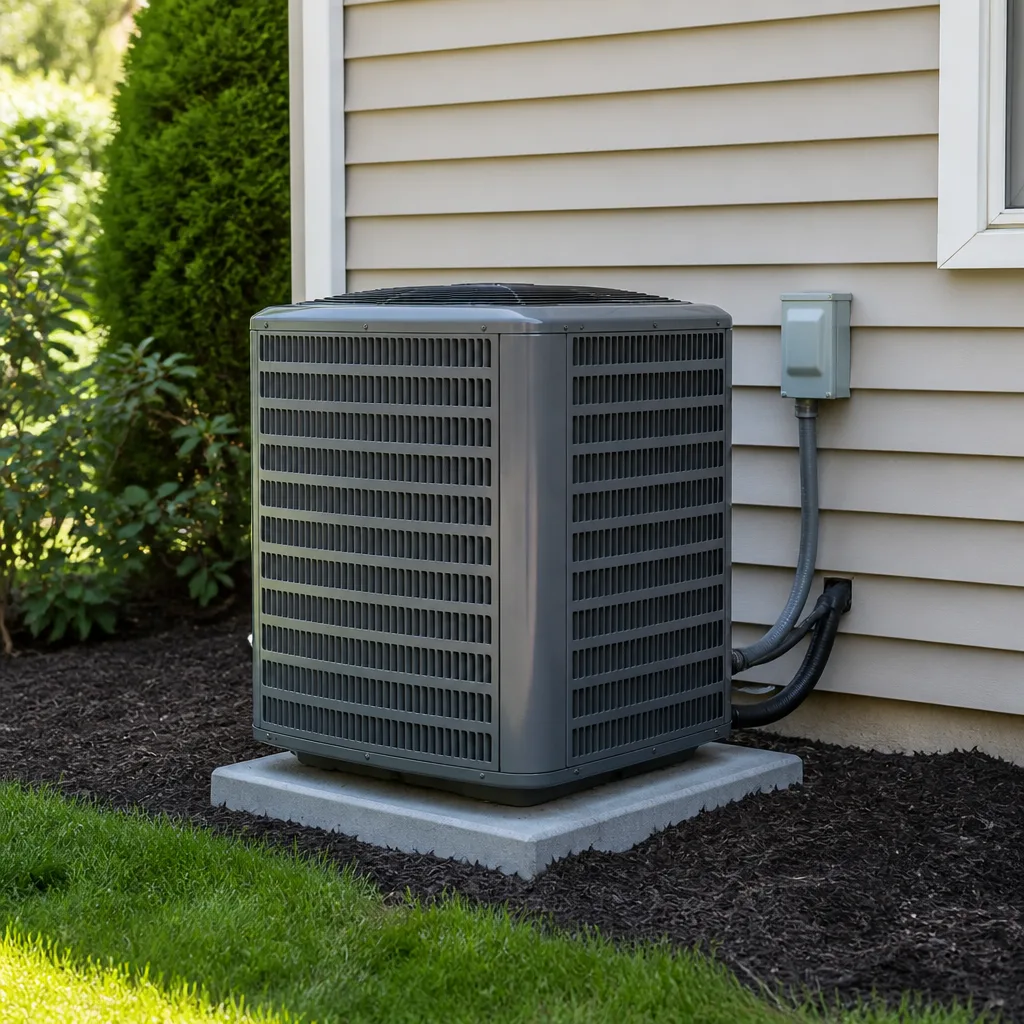 Goodman
Seasonal tune-up and full diagnostic on your Carrier, Trane, or Goodman system - readings shown to you before any repair is proposed
Diagnosis first, numbers second - you approve the repair price before a single part goes in.
Get your free estimateHow to Hire an HVAC Contractor in Glendale: A Step-by-Step Guide
Most homeowners in Glendale ask a contractor for a quote long before they ask to see a license. That order is backwards. The quote is a sales document; the license is proof the person holding it is legally allowed to touch the equipment. You can read customer reviews for an hour and still miss the one thing that actually protects you, because a friendly face and a low number tell you nothing about whether the work will pass inspection. This guide walks through what to verify, what to ask during a quote, and how to read the estimate you’re handed. By the end you’ll know how to separate a real HVAC contractor in Glendale from someone who is only comfortable selling a new system.
Quick Answer
To hire an HVAC contractor in Glendale, verify a C-20 Warm-Air Heating, Ventilating and Air-Conditioning license through the California State License Board before anyone arrives, confirm the contractor will run a Manual J load calculation on your home rather than sizing by square footage, and insist on a written, itemized quote that separates equipment, labor, permits and disposal. Ask whether the contractor services whatever brand you already own, or only the brand they sell. Everything below breaks those four checks into specific questions you can use during the quote.
Styles & brands we work with
- AC repair
- Furnace & heating
- Heat pumps
- Ductless mini splits
- Carrier
- Trane
- Goodman
Table of Contents
- Step 1: Verify a C-20 License Before You Book a Quote
- Step 2: Understand Manufacturer-Authorized Dealer vs. Brand-Agnostic Contractor
- Step 3: Ask Five Questions During the Quote That Reveal How the Contractor Thinks
- Step 4: Make Sure the Contractor Runs a Manual J Load Calculation
- Step 5: Spot the Red Flags That Show Up in Glendale
- Step 6: Read the Written Quote Line by Line
- Repair or Replace? How to Make That Call Honestly
- When to Call a Professional
Step 1: Verify a C-20 License Before You Book a Quote
California requires a C-20 Warm-Air Heating, Ventilating and Air-Conditioning license for HVAC work above $500. Below that threshold a handyman can legally swap a thermostat or tighten a fitting. The problem is that “HVAC certified” on a business card or truck can mean almost anything: a full C-20 contractor, a technician who picked up a 608 refrigerant card to handle refrigerant, or a generalist who watched a few replacement videos. Those are three completely different levels of training, and only one of them carries legal accountability for the work and the homeowner’s recourse if something goes wrong.
Here’s how to check in under two minutes through the CSLB:
- Go to the California State License Board license lookup page and enter the contractor’s license number. If they won’t give you a number, that alone is your answer.
- Confirm the status reads “Active” and matches the business name on the truck and the quote.
- Check the classification. You want C-20 on the record for HVAC work; a general B license alone doesn’t cover HVAC installation.
- Open the history tab. This is where past complaints, disciplinary actions and citations show up. A clean history over a string of jobs is a stronger signal than a five-star review.
- Confirm the license covers the class of work on your job, whether that’s an AC installation or a straightforward service appointment.
Few homeowners ever open that history tab. It’s the single most useful screen on the CSLB site, because it shows how a contractor behaved when a job went sideways. A history full of resolved complaints is different from a history with open disciplinary matters. Read both before you invite anyone into your equipment closet.
Step 2: Understand Manufacturer-Authorized Dealer vs. Brand-Agnostic Contractor
A manufacturer-authorized dealer is a contractor who has signed with one brand and earned its dealer status, usually with training and warranty access tied to the relationship. That arrangement can be good. The manufacturer has an incentive to keep the dealer trained on its own equipment, and warranty work generally flows smoothly through that dealer. The catch is that a dealer has a reason to love one brand more than the others, and when your system is a competitor’s, their first instinct may be to replace it rather than repair it.
A brand-agnostic contractor works on multiple manufacturers and doesn’t owe a sales quota to any single one. Jasper AC Repair is that kind of company: our technicians are certified to work on nine major brands, including Carrier, Trane, Lennox and Goodman, so the recommendation is driven by your home and your budget rather than by which logo is painted on the side of the truck.
When is each useful?
- Choose a dealer when your system is still under manufacturer warranty and needs a warranty-related repair, or when you want a single brand’s newest efficiency tier and its specific support channel.
- Choose a brand-agnostic contractor when your existing system is from a brand you didn’t buy yourself, when you want an honest repair-or-replace comparison, or when your equipment mix is a different brand for cooling and heating.
The practical question to ask any contractor is simple: “Do you service all the brands on the market, or only what you sell?” An honest answer tells you which conversation you’re about to have. This guide exists to help homeowners in Glendale know the difference before the estimate, not after.
Step 3: Ask Five Questions During the Quote That Reveal How the Contractor Thinks
The questions below separate a contractor who is sizing equipment to your home from one who is sizing it to their inventory. Ask all five, note the answers, and compare across quotes. You’ll hear the difference quickly.
- “What load calculation will you run before you recommend a tonnage?” The right answer is Manual J or an equivalent room-by-room load calculation. The wrong answer is a quick square-footage estimate or a shrug.
- “Will you show me the calculation or put the tonnage reasoning in the quote?” A contractor who has run the numbers is happy to share them. A contractor selling off a shelf gets vague.
- “What’s the age and condition of the ductwork, and did you check it?” Duct leakage and undersized runs will wreck the performance of any new system; if they skip the ducts, they’re not sizing for your house.
- “What are the permit requirements for this job, and who pulls the permit?” Most cities require a permit for HVAC replacement work, so ask the contractor to state which permit applies to your address and who files it. If the contractor dodges, that’s a sign.
- “If this were your house, would you repair or replace, and why?” Listen for the reasoning. Anyone recommending replacement without a repair-or-replace comparison isn’t doing the diagnostic work; they’re doing the order-taking.
Write the answers down while the contractor is still in the room. It’s easy to confuse two quotes after the fact, and comparing five answers side by side is how you spot a sales pitch dressed up as a technical recommendation.
Step 4: Make Sure the Contractor Runs a Manual J Load Calculation
A Manual J load calculation is the accepted method for determining how much heating and cooling a specific house actually needs. It looks at square footage, window area and glazing, insulation, duct layout, ceiling height, orientation to the sun, and internal heat from appliances and occupants, room by room. The result is what a contractor uses to choose equipment size. Without it, the contractor is guessing, and guesses tend to be wrong in both directions.
This matters more in Glendale than in a flat, featureless suburb. Homes across the hillsides and canyons here sit at different elevations and orientations, and a west-facing house on a slope can pick up dramatically more afternoon heat than a north-facing house a few blocks away. Two houses with the same square footage can honestly need different tonnage. A contractor who sizes every 1,500 square-foot house at three tons isn’t sizing equipment – they’re working from a rule of thumb that ignores the hill, the shade, and the age of the windows.
The consequences of skipping the calculation:
- Oversized equipment short-cycles, which means it cools the air quickly without removing the humidity, and the compressor wears out faster.
- Undersized equipment runs constantly on the hottest days and never quite catches up, which drives electricity bills up and comfort down.
- Mismatched equipment between the air handler and the condenser can void a manufacturer’s warranty and leave you with a system that performs like neither unit was designed to.
Ask to see the calculation, ask which inputs go into it, and ask whether the contractor accounts for afternoon sun exposure on your specific elevation. Those answers separate a technician from a salesman.
Step 5: Spot the Red Flags That Show Up in Glendale
Some warning signs are universal. Others come up specifically here, because of the housing stock, the hills, and the mix of older homes and newer builds across neighborhoods like Adams Hill and Chevy Chase. The list below is what we watch for in our experience around Glendale.
- “Your system is shot, we can replace it tomorrow.” A same-day replacement is a sign the contractor didn’t measure anything. Housing comes first; equipment second.
- No permit mentioned. Replacement work typically requires a permit, and skipping it means the installation was never inspected. Ask who’s pulling it.
- Pressure to sign a contract on the first visit, or a quoted price that’s “only good today.” Comfortable contractors let you think about it.
- Sizing by square footage alone, especially on a hillside address. Sun exposure varies so much across elevation and orientation that a rule-of-thumb tonnage is the wrong approach here.
- A repair-only shop that won’t discuss replacement, or a replacement-only shop that won’t repair. Both avoid a conversation. You want a contractor comfortable with either answer.
- “We don’t service that brand.” For equipment from a well-known manufacturer, that’s usually a sales policy, not a technical limit. Get a second opinion.
The red flag that shows up most often isn’t dramatic. It’s a quote with one line: “Install 3-ton system: $X,XXX.” No tonnage reasoning, no duct work, no permit, no line items. That’s not a quote, it’s a headline.
Step 6: Read the Written Quote Line by Line
A written HVAC quote should be specific enough that two contractors quoting the “same” job disagree on paper – not so vague that two quotes look like copies of each other. A vague quote hides markup; an itemized quote lets you ask what each line does. Here’s what yours should show.
- Equipment model numbers (not just “3-ton condenser”). You need the exact model so you can look up the efficiency rating and warranty terms.
- SEER or efficiency rating of the equipment quoted. If the contractor can’t state it, they don’t know what they’re selling you.
- Labor broken out separately from equipment, so you can see what the install work is actually costing.
- Permit fee as its own line. Lumping it into labor hides where your money is going.
- Duct work, if any is included – new boots, plenum work, register replacements, all specified as to quantity or length.
- Disposal and haul-away of the old equipment. This is easy to overlook until it doesn’t happen.
- Any warranty language, both labor and parts, with the equipment warranty terms spelled out.
Watch for words like “system upgrade,” “premium package,” “performance enhancement,” and “site adjustments” with no numbers attached. These labels usually map to ordinary parts and ordinary labor. Ask what’s inside them. The written estimate sets the final price, so if a line isn’t clear before you sign, it won’t be clear after.
Repair or Replace? How to Make That Call Honestly
Regular furnace repair can keep a system running for years past the point where replacement pencils out – and sometimes replacement is genuinely the smarter move. The honest answer depends on three things: the cost of the repair against the cost of a replacement over the same stretch of time, the age of the equipment, and whether the repair will hold through the next heating or cooling season.
Where the diagnosis usually gets skewed is that the contractor only benefits from one of the two answers. A repair-only shop has no incentive to tell you it’s time for a new system. A replacement-focused contractor has no incentive to keep your old one going. A brand-agnostic contractor can genuinely go either way, because the money is roughly the same on either path.
When you’re comparing options, ask for two numbers on the same page: what the repair costs, and what a full replacement would cost. Then ask what the failure risk is on your specific piece of equipment for the next season. Our team handles both repair and full Glendale furnace replacement, so we’ve had to have that conversation with homeowners who were hoping for a repair and got a candid answer instead.
On the cooling side, a routine AC installation replaces the outdoor unit and often the air handler with it. Any time the two units are mismatched by brand or vintage, the replacement quote should explain how they’ll work together and what happens to the warranty on the older piece.
Common Mistakes to Avoid
- Quoting three contractors and picking the cheapest. The cheapest number is often a quote that omits the load calculation, the permit, and the duct work. Compare line items, not totals.
- Skipping the CSLB check. A valid license costs you two minutes to verify and protects you for the life of the installation, so do it before the contractor arrives.
- Letting a contractor size your system by square footage. In a city built into hillsides and canyons, a house at one address can need meaningfully different tonnage than one nearby.
- Accepting “your system is shot” without a written diagnostic. Ask what specifically failed, what the likely remaining life is, and whether a repair would last more than one season.
- Forgetting to ask who pulls the permit. In most cities, replacement work needs a permit and an inspection. If nobody files, the new system has no paper trail.
- Assuming all HVAC techs are equal. A refrigerant handler with a 608 card and a licensed C-20 contractor are not the same thing, and only one carries legal accountability for the install.
- Buying a replacement without asking about ductwork. New equipment on old, leaking ducts performs like neither was sized correctly. Always ask whether the ducts were inspected and how.
See the difference
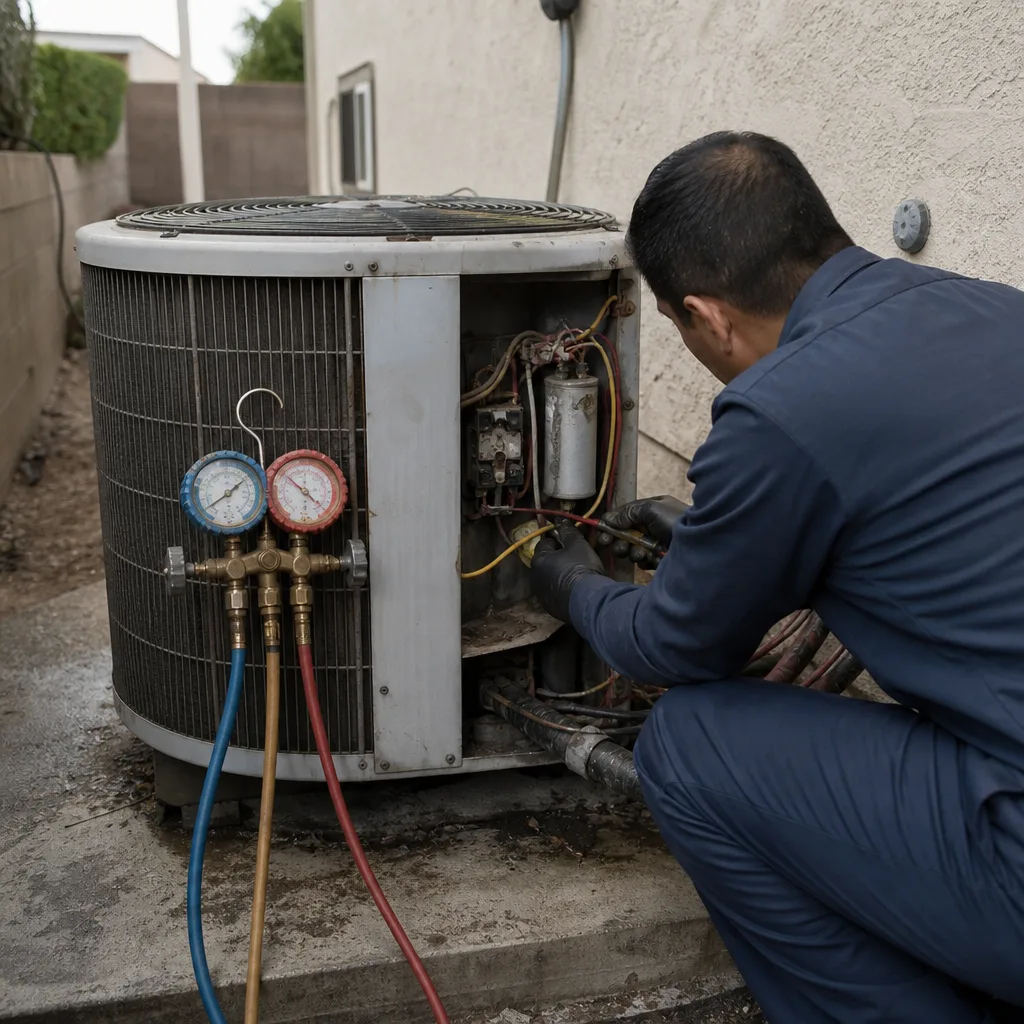 Before
 After
 Before
 After
 Before
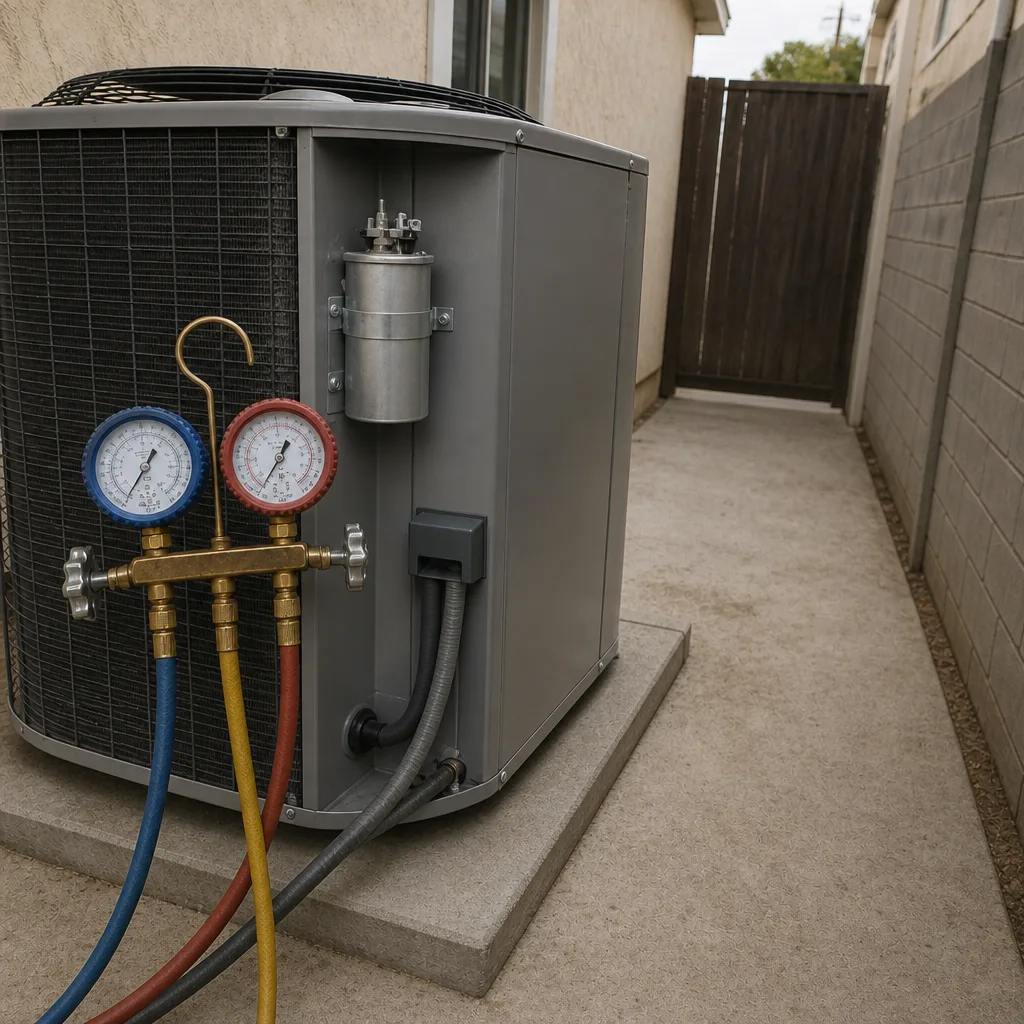 After
When to Call a Professional
Call a professional when the system won’t heat or cool, when the breaker trips after the system starts, when you smell burning or gas, when you hear rattling or banging from the outdoor unit, or when the indoor temperature drifts on a normal mild day. Refrigerant lines carry pressure, gas-fired furnaces carry combustion risk, and electrical panels carry lethal current – these are not weekend projects. Any work beyond a filter change or thermostat battery swap belongs with a trained technician. Jasper AC Repair offers free estimates in Glendale – call (855) 473-8857. We answer 24/7, and our technicians have up to 15 years of experience.
Frequently Asked Questions
Go to the California State License Board license lookup and enter the contractor’s license number. Confirm the status is Active, the classification includes C-20 for HVAC work, and read the history tab for complaints. That verification takes under two minutes and is the single best protection you have.
Yes, for HVAC work above $500 California requires a C-20 Warm-Air Heating, Ventilating and Air-Conditioning license. Below that threshold a handyman can legally perform minor work, but any installation, replacement, or substantial repair needs the C-20.
Yes. A Manual J load calculation determines what tonnage your house actually needs based on square footage, window area, insulation, duct layout, and sun exposure. It matters more in neighborhoods built into the hills and canyons where orientation to the sun varies dramatically. Call (855) 473-8857 for an estimate that includes it.
An HVAC quote should itemize equipment model numbers and SEER rating, labor, permits, disposal, duct work if included, and warranty terms. A one-line quote hides markup and leaves you no way to compare bids.
That depends on the repair cost versus replacement over the same time frame, the age of the equipment, and the failure risk for the coming season. Ask for both numbers on one page so you can compare honestly. Call (855) 473-8857 for a free estimate.
Yes. Jasper AC Repair is certified to work on nine major brands, including Carrier, Trane, Lennox, Goodman, Rheem, York, Daikin, Bryant and American Standard. That means you’re not turned away because your equipment is the “wrong” brand, and the recommendation is based on your home rather than a brand quota.
The Bottom Line
Hiring an HVAC contractor in Glendale comes down to four checks: verify the C-20 license through the CSLB before anyone arrives, confirm a Manual J load calculation runs before tonnage is chosen, read the written quote line by line for equipment, labor, permits, duct work and disposal, and ask whether the contractor services all major brands or only the one they sell. Do those four, and the conversation shifts from sales pitch to technical recommendation. Whatever brand you have, a good contractor can work on it – and the right one will tell you honestly whether repair makes sense this year or whether replacement does.
Cooling and heating, handled. One company, both seasons.
Jasper AC Repair services residential HVAC across Glendale, including new AC installation, furnace repair, and full furnace replacement for Carrier, Trane, Lennox, Goodman, Rheem, York, Daikin, Bryant and American Standard systems. Call (855) 473-8857 for a free estimate. We answer 24/7. Fast dispatch from 7am to 7pm, Sunday through Friday. Estimates are free, and the written estimate sets the final price.
Written by the team at Jasper AC Repair.