
Last updated November 15, 2026
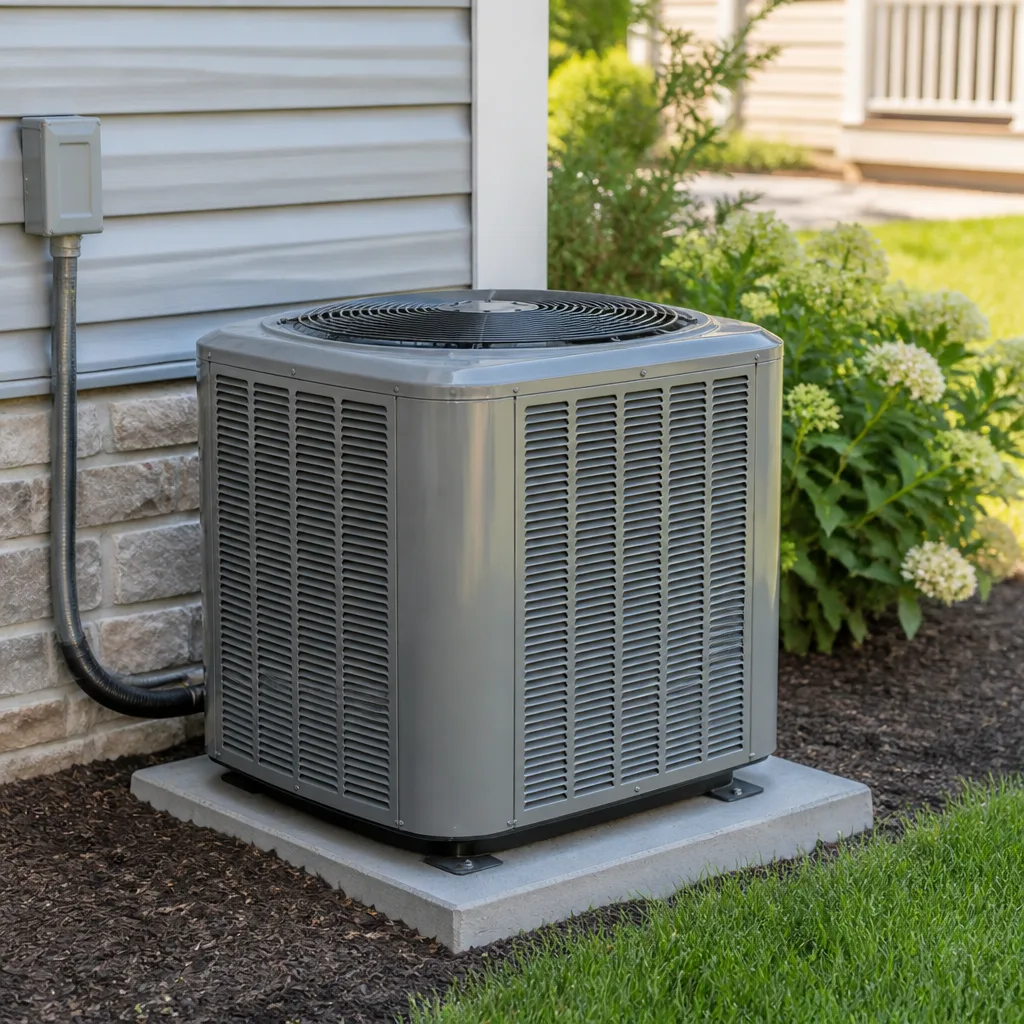 AC repair
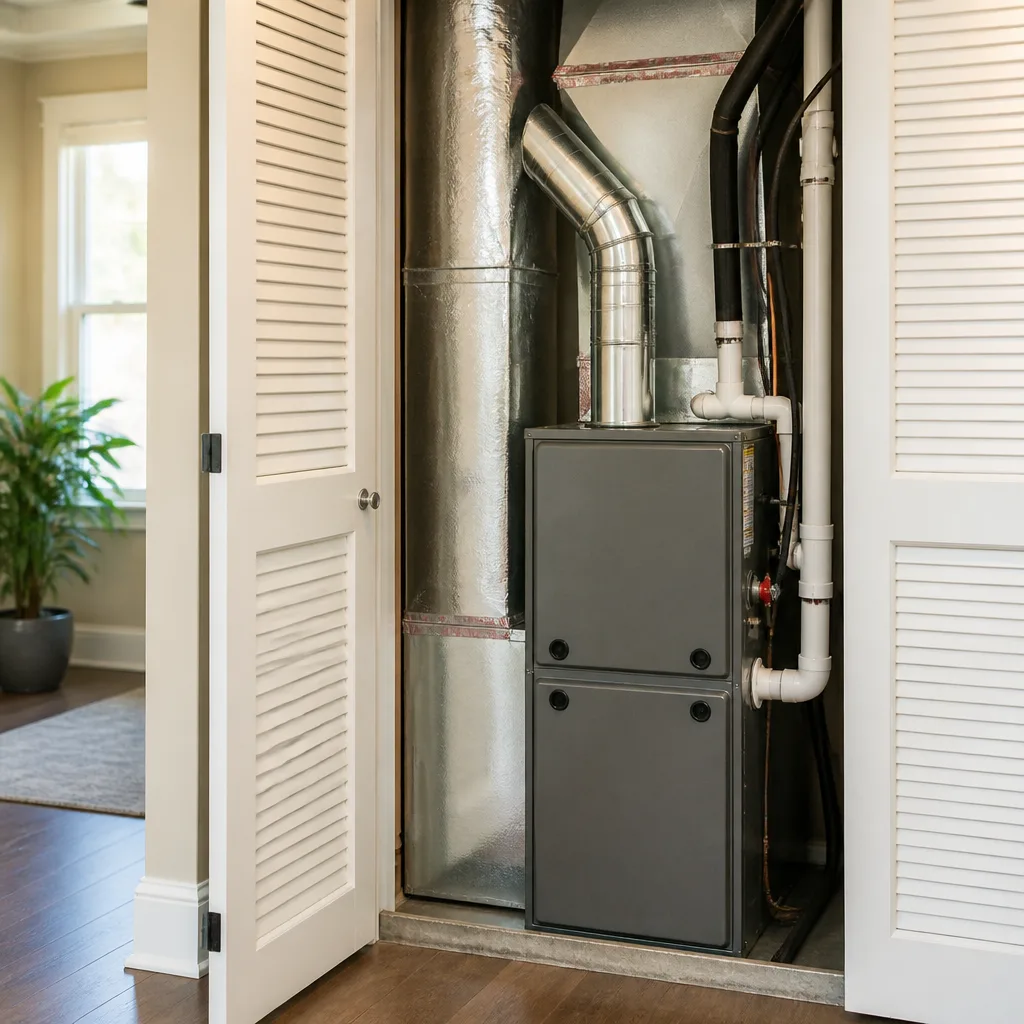 Furnace & heating
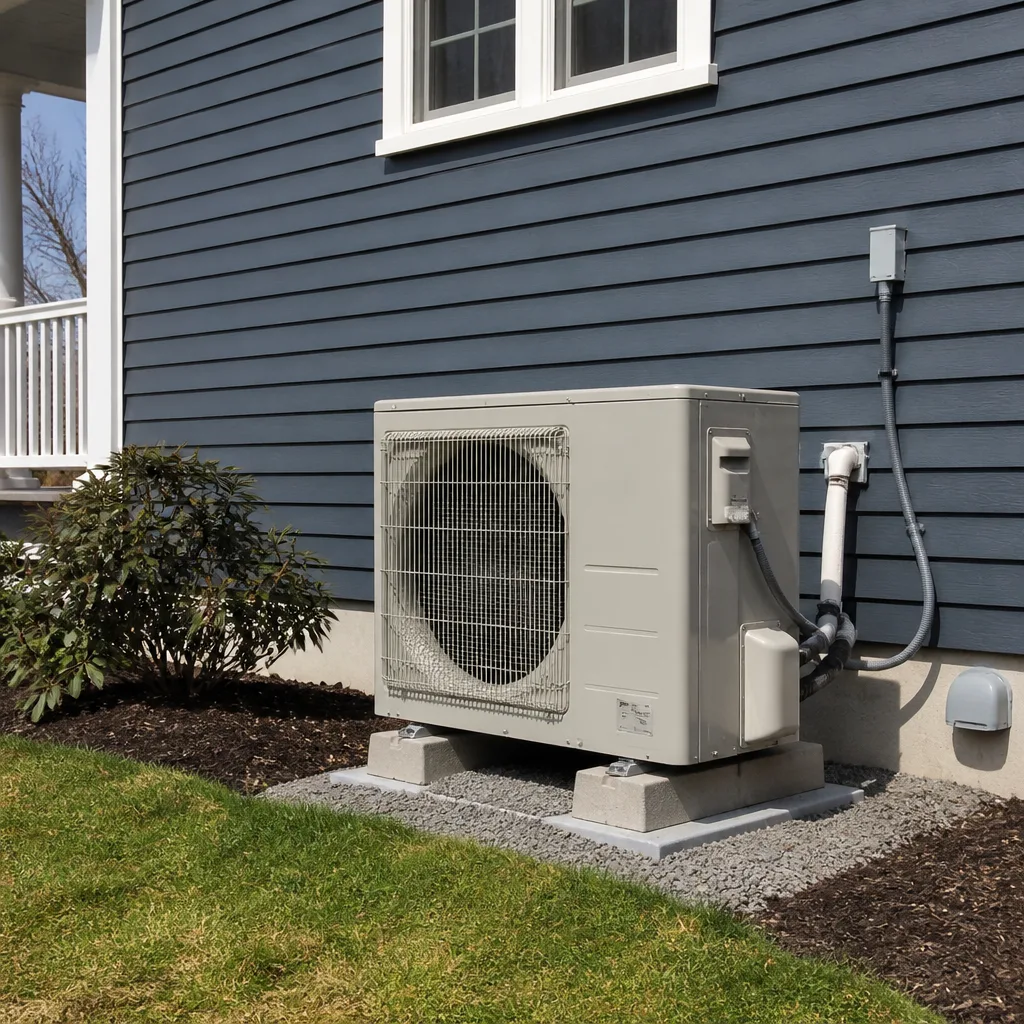 Heat pumps
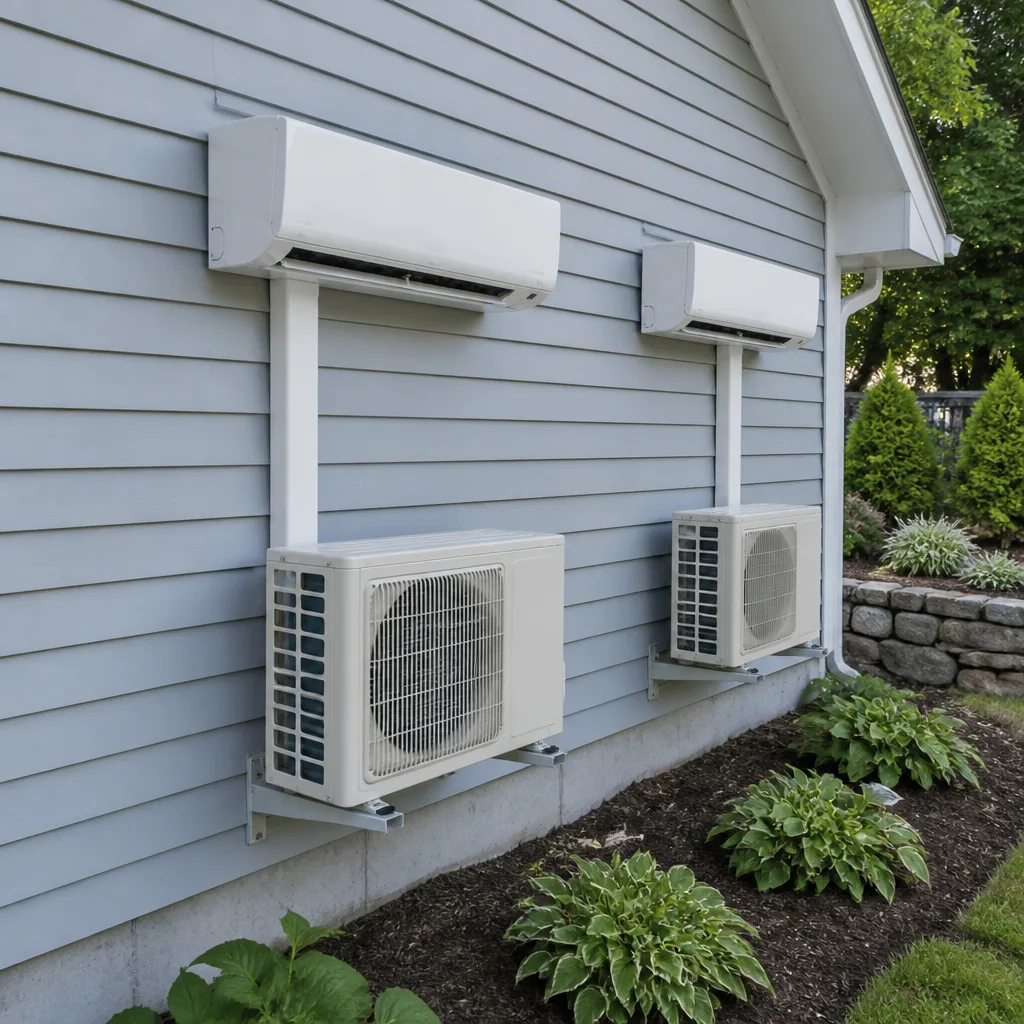 Ductless mini splits
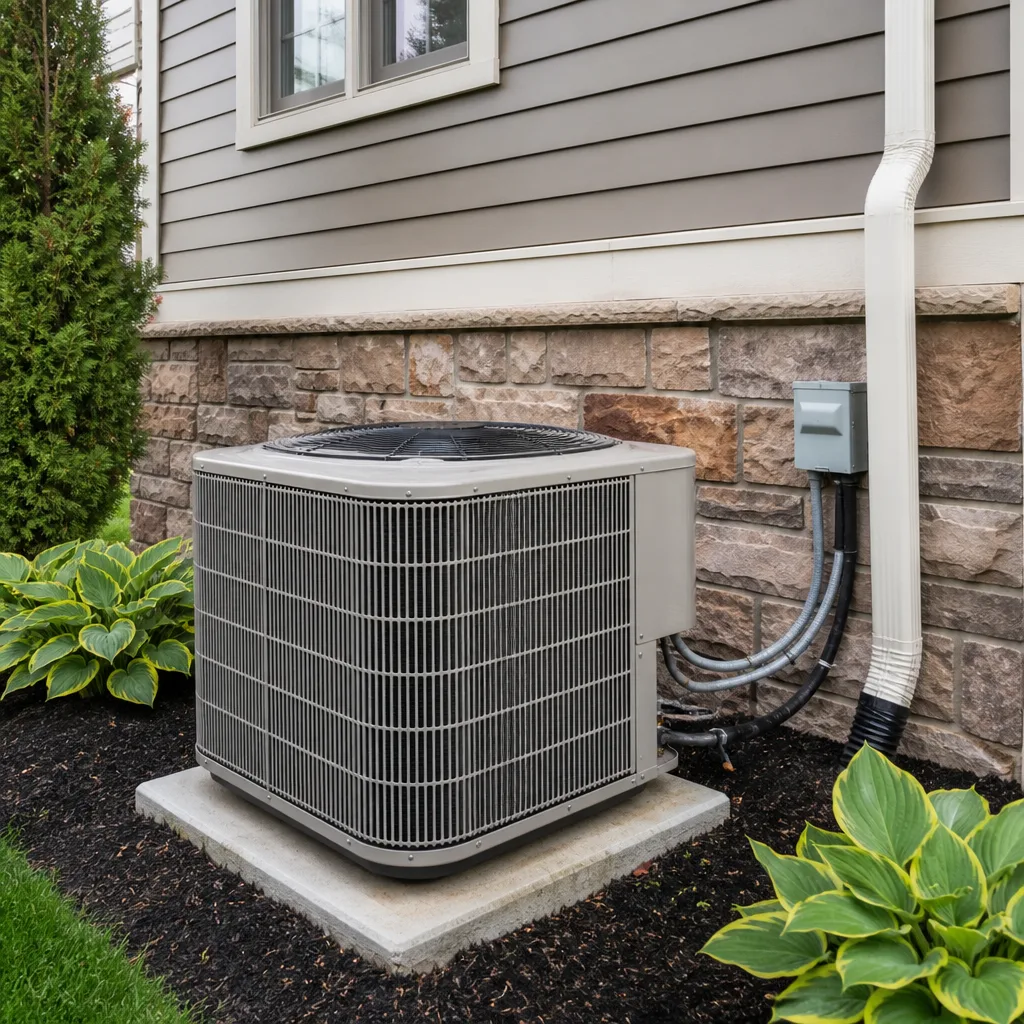 Carrier
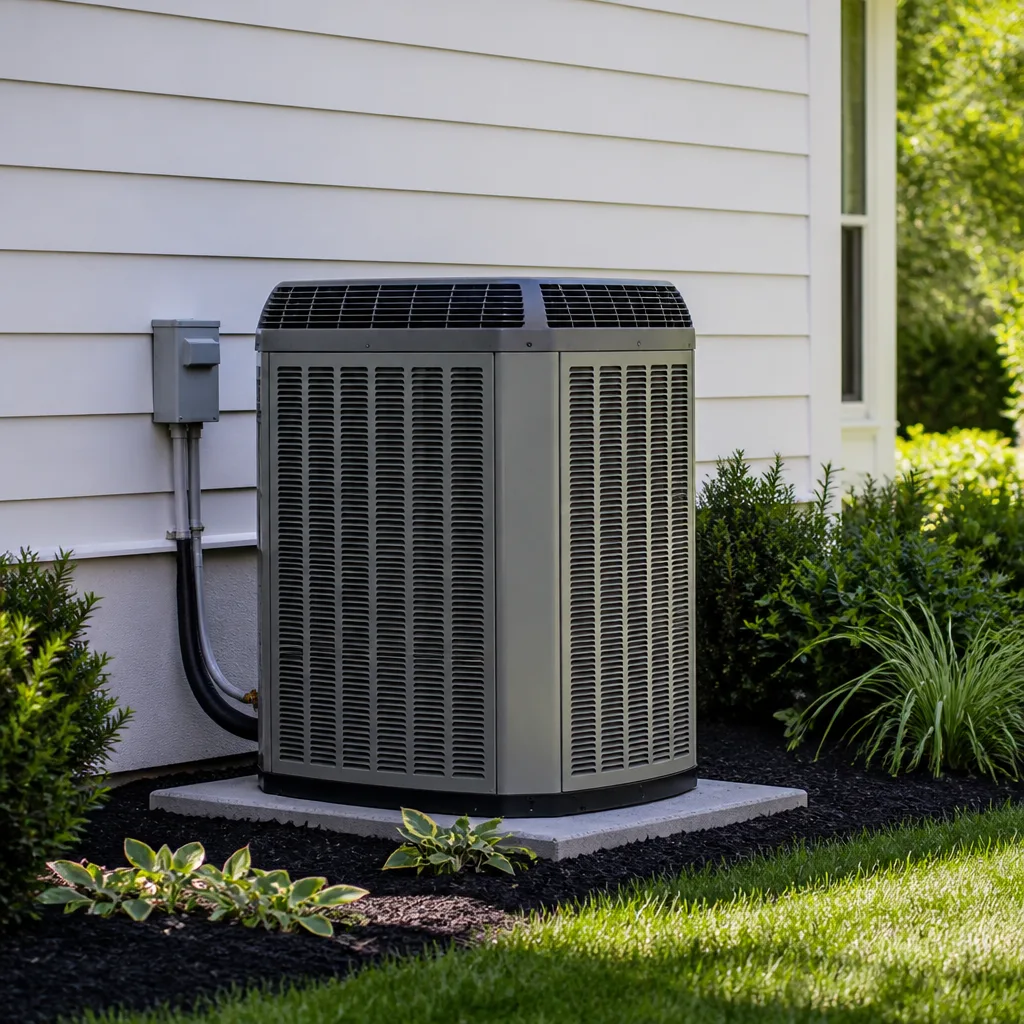 Trane
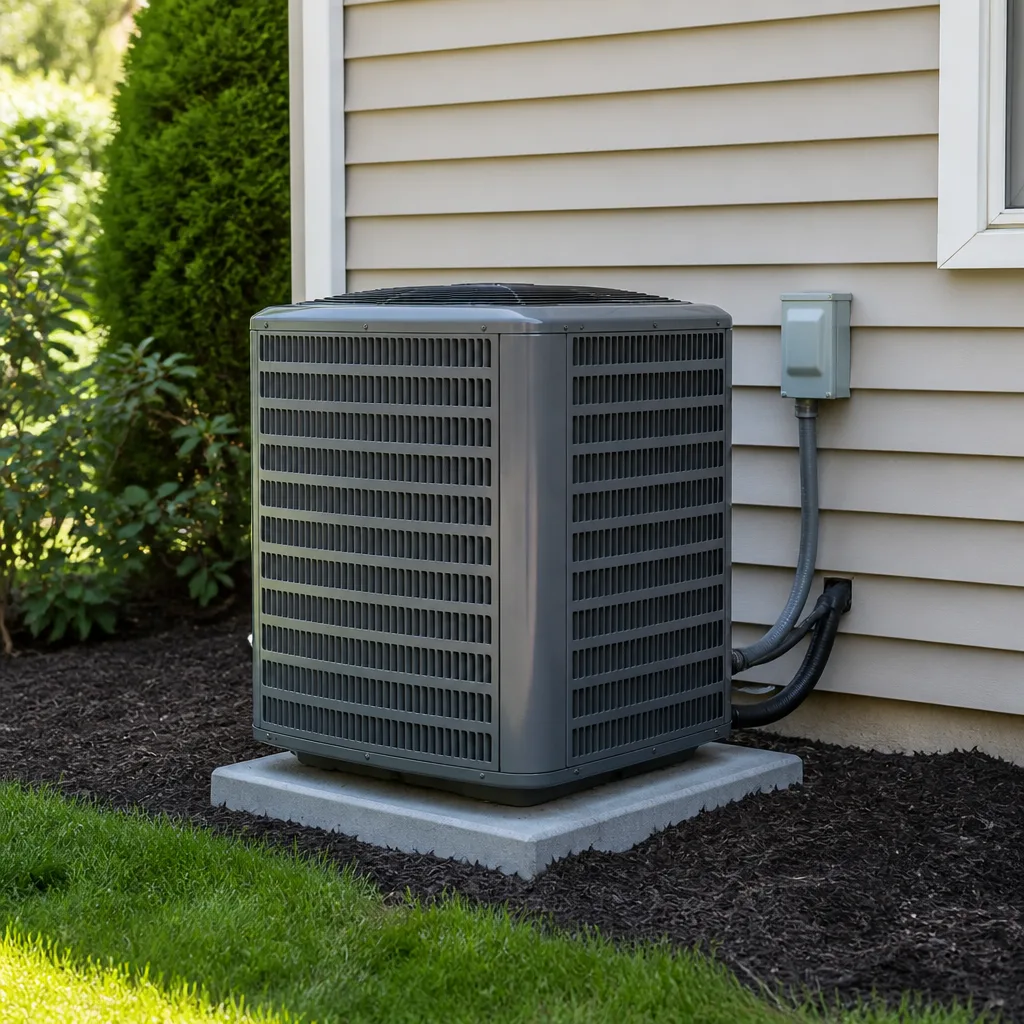 Goodman
Seasonal tune-up and full diagnostic on your Carrier, Trane, or Goodman system - readings shown to you before any repair is proposed
Diagnosis first, numbers second - you approve the repair price before a single part goes in.
Get your free estimateHVAC Emergency Preparedness Guide for Glendale Homes
Most homeowners treat an AC failure as a repair problem. In Glendale, it’s a timing problem. A system that dies at noon on a 108°F July afternoon doesn’t get fixed by dinner, and during a real heat event the service queue can stretch for days. The uncomfortable truth is that no contractor, no matter how good, can promise to be at your door within hours when hundreds of homes are calling at once. So the work that actually protects your household happens before the failure: knowing your equipment, testing it in spring, and having a plan for the first two hours. This guide walks through all of it, from documenting your system’s specs to filtering wildfire smoke when the AC is down. Everything here is written for Glendale specifically.
Quick Answer
HVAC emergency preparedness in Glendale means three things: knowing your system’s make, model and specs before it fails so a technician arrives with the right parts; stress-testing the system in late spring to catch a likely failure before peak demand; and having a written plan for the first two hours of an outage during a heat event, including a cool place to go. Preparation is the only realistic safety net when service demand spikes across the city at once.
Styles & brands we work with
- AC repair
- Furnace & heating
- Heat pumps
- Ductless mini splits
- Carrier
- Trane
- Goodman
Table of Contents
- Why Glendale’s Heat Events Outlast Your AC System
- Step 1: Document Your System Before You Need To
- Step 2: The Pre-Season Stress Test
- The First Two Hours of an AC Failure
- Glendale Cooling Centers and Bill Assistance You Should Know Now
- Filtering Wildfire Smoke When the HVAC Is Down
- The Heating Side of Preparedness
- When to Call a Professional
Why Glendale’s Heat Events Outlast Your AC System
Glendale sits in a basin where summer heat builds and holds. The city’s housing stock runs from older single-family homes in neighborhoods like Adams Hill and Sparr Heights to dense apartment clusters near downtown, and much of that equipment is aging. When a multi-day heat event settles in, the grid strains, homes hold heat overnight, and every HVAC company in the region gets the same calls at the same time. We’ve seen this pattern repeat, and the lesson is consistent: a failed system during peak demand can mean days without cooling, not hours.
That changes what “prepared” means. It isn’t a phone number on the fridge. It’s a set of decisions made in April and May, when the system is still running and a technician can actually get to you.
Three realities define the Glendale HVAC emergency profile:
- Demand spikes overwhelm response capacity. When thousands of systems strain at once, same-day service becomes physically impossible for everyone. The homeowners who prepared aren’t waiting in the same queue for a diagnosis.
- Overnight heat is the real risk. A house that can’t shed heat at night is a health concern, especially for older residents and anyone with respiratory or cardiac conditions.
- Smoke season overlaps cooling season. Wildfire smoke in the region can arrive while your system is running or while it’s broken, and both scenarios need a plan.
None of this is meant to alarm you. It’s meant to move the work earlier. An HVAC system that’s been checked in spring, with its specs on file, is a system that gets fixed faster when it does fail. That’s the whole thesis of this guide, and it’s why we put together resources like our Glendale service overview for homeowners who want the full picture of what we handle.
Step 1: Document Your System Before You Need To
The single highest-value thing you can do this week is document your equipment. When a technician knows your system’s make, model and key specs before arriving, they can load the right parts and skip a diagnosis-only first visit. During a demand spike, that difference can be the gap between a repair this week and a repair next week.
Here’s how to build a system file:
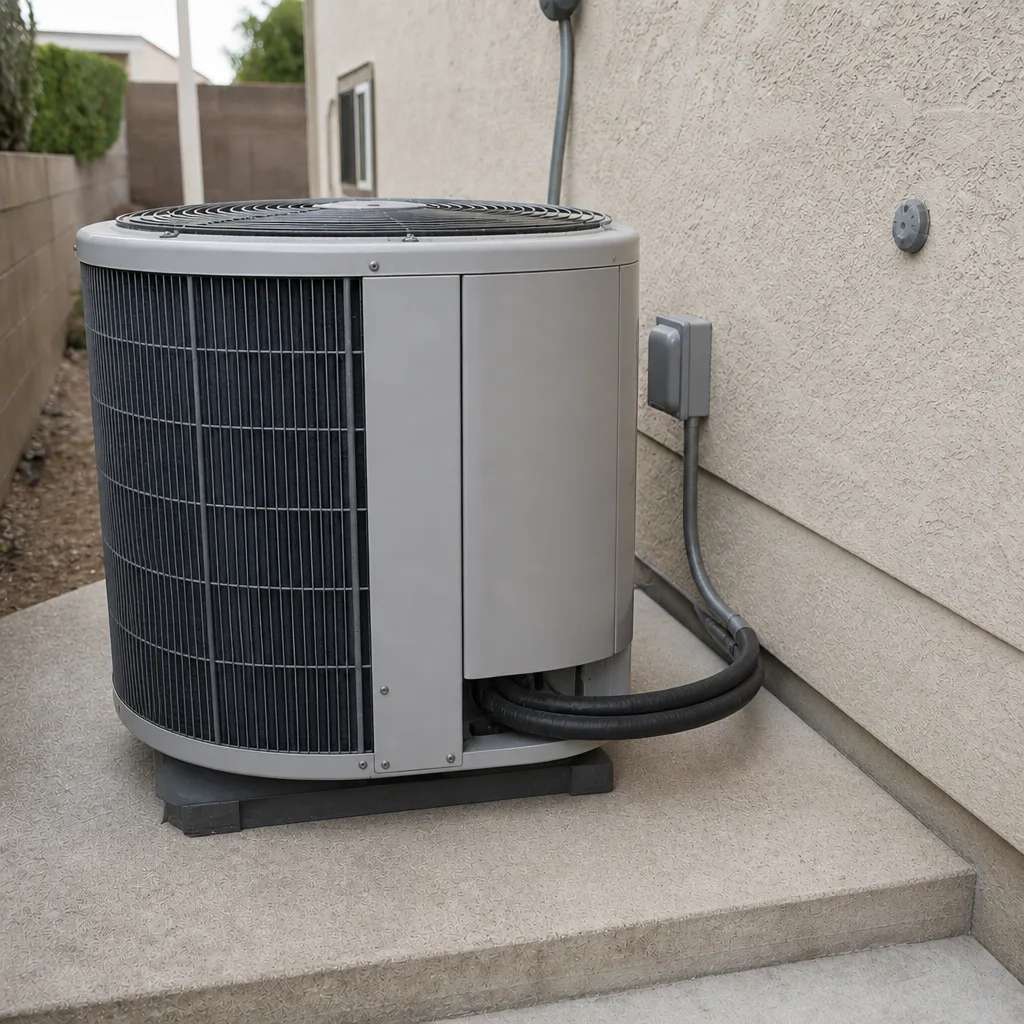
- Find the data plate. On the outdoor condenser, it’s a metal tag on the side or back panel. On the indoor air handler or furnace, it’s usually inside the blower compartment door or on the cabinet exterior.
- Photograph everything. Take clear, well-lit photos of each data plate. Include a wide shot showing where the unit sits relative to the house.
- Write down the brand and model number. Note whether your system is a Carrier, Trane, Lennox, American Standard or another make. We service all nine major manufacturers, so the brand matters less for us than for a company that only handles one line, but it matters for parts.
- Record the serial number and manufacture date. The date code tells a technician how old the equipment is and whether a repair is worth doing.
- Note the system type. Split system, packaged unit, heat pump, gas furnace with a separate AC coil. Each has a different emergency profile.
- Store it in two places. A photo album on your phone and a printed copy in a folder with your home documents.
Add a note about the thermostat model and any filters you use, with sizes. If your system uses a 20x25x1 filter, write that down. You’d be surprised how often a homeowner at the hardware store during an outage can’t remember the size. When you’re ready to schedule service, having this file means the conversation starts at “here’s what I have” instead of “I’m not sure.”
Step 2: The Pre-Season Stress Test
You can surface a likely failure before it happens at peak demand. The idea is to run the system hard in mild weather, when a breakdown is inconvenient rather than dangerous. Do this in late spring, on a day when the outside temperature is comfortably warm but not extreme.
Here’s the test, in order:
- Clear the outdoor unit. Remove leaves, debris and anything stored against the condenser. The unit needs airflow to shed heat.
- Change the filter first. A clogged filter is the most common cause of a system that can’t keep up. Start with a clean one so you’re testing the system, not a restriction.
- Run the AC for a full hour. Set the thermostat well below room temperature and let it run continuously. Note how quickly the house cools.
- Check the supply air at each vent. Feel the air at the registers. It should be noticeably cold and moving steadily. Weak airflow or lukewarm air at some vents points to a duct or refrigerant problem.
- Listen at the outdoor unit. Any grinding, screeching or repeated clicking is worth a call before summer.
- Watch for water. Condensation around the indoor unit or a drain pan filling faster than it empties points to a drainage issue.
- Repeat for heat. If you have a furnace, run the heat for twenty minutes in cooler weather and note any odd smells, short cycling or unusual noises.
Write down what you observe and keep it with your system file. A note that says “system took 90 minutes to drop 4 degrees in May” is genuinely useful to a technician. It’s also a strong signal to you: if the system can’t cool a house efficiently in mild weather, it won’t survive a heat wave. That’s the moment to book AC installation or a repair before the rush, not after.
The First Two Hours of an AC Failure
When your AC fails during a heat event, the first two hours matter more than any other window. This isn’t the time to troubleshoot the equipment yourself. It’s the time to reduce heat load on the house and on the people inside it. Here’s the sequence we recommend to Glendale homeowners.
- Call for service immediately, then act. Get in the service queue first. Then work the house while you wait.
- Close blinds and curtains on sun-facing windows. Solar gain is the biggest heat source during the day. Blocking it drops indoor temperature quickly.
- Open windows at night if outdoor air is cooler. Create cross-ventilation with fans pulling air through. Once outdoor temperature climbs past indoor temperature, close everything and rely on fans moving air inside.
- Consolidate to one room. Move to the lowest floor, or a room on the shaded side of the house. Close the door and use a fan.
- Avoid heat-producing activity. Skip the oven, the dryer, and anything that adds moisture or heat to the air.
- Check on vulnerable household members. Older adults, anyone with respiratory or cardiac conditions, and young children are at higher risk and may not notice symptoms of heat stress.
- Hydrate and use cool water on pulse points. Wrists, neck and ankles are useful spots for a cool cloth.
- Know when to leave. If indoor temperature keeps climbing or anyone in the household feels unwell, go to a cool place. That’s the point of the next section.
Don’t try to diagnose the problem or open the outdoor unit. Refrigerant lines and electrical connections inside that cabinet are not a homeowner’s territory. That’s a job for a trained technician. One company. Both seasons. That’s the phrase we use internally, and it’s why a caller whose AC is down often becomes a customer who also wants their furnace checked before winter. We handle cooling and heating under one roof, so you’re not hunting for a second contractor when the seasons turn.
Glendale Cooling Centers and Bill Assistance You Should Know Now
Before you need them, know where to go and who to call for help. Glendale operates cooling centers that open during heat events, and the city administers utility bill assistance through Glendale Water & Power. Both are resources you should have bookmarked in summer, not scrambled for during an outage.
Here’s what to do to prepare:
- Identify your nearest cooling center now. The city publishes cooling center locations and hours on its official site and via Glendale Water & Power communications. Save the page to your phone’s home screen and note the address and hours on a printed sheet.
- Ask about the GWP bill assistance programs. Glendale Water & Power administers assistance programs for eligible residential customers. Contact GWP directly or look up their customer assistance page to confirm current eligibility and how to apply before summer, not after a bill spike.
- Know the city’s heat resources line. The City of Glendale’s official website and public communications publish heat event guidance. Check them when a heat advisory is issued.
- Build a cool-place list for your household. The nearest cooling center, plus a library, a mall, or a friend’s home. One option isn’t a plan.
- Plan for pets and mobility. If you have a pet or someone with limited mobility, confirm whether the cooling center accepts pets or has accessibility accommodations before you need it.
A cooling center isn’t a sign of weakness. It’s what prepared households actually use when their equipment fails during a multi-day heat event. Treat it like knowing where the nearest hospital is: information you don’t need often, but you need it fast when you do.
Filtering Wildfire Smoke When the HVAC Is Down
Wildfire smoke in the Glendale area can arrive without warning, and it flips the usual advice. Normally you’d run the AC to cool the house. During a smoke event, running a broken or poorly-sealed system can pull smoke inside instead of filtering it. You need a plan for both states: system running, and system down.
When the system is running and smoke is outside
- Close windows and doors. Set the system to recirculate rather than draw outdoor air if your thermostat offers that.
- Use a high-quality filter. A MERV-rated filter captures more smoke particles, but check your system’s rating limit. A filter too dense for your blower can strain the equipment.
- Keep the fan running. Continuous fan mode keeps filtered air moving through the house.
When the system is down during a smoke event
- Close up the house and seal obvious gaps around doors and windows with weatherstripping or towels.
- Set up a clean-air room. Pick one room, close the door, and run a portable air purifier with a HEPA filter. This is the single most effective step.
- Don’t run window fans or whole-house fans. They pull smoke indoors.
- Have supplies on hand before fire season. Keep N95 or equivalent masks, a portable HEPA purifier, spare filters, and weatherstripping in a closet. Buy them in spring, when they’re available and cheap.
Smoke and heat often arrive together, and the combination is what makes a failed system during a smoke event genuinely serious. That’s when calling for furnace repair and AC service before the event matters more than any other single task. The best time to call is before the air quality drops.
The Heating Side of Preparedness
Glendale winters are mild, so the heating side of preparedness gets overlooked. That’s a mistake. A furnace that fails on a cold night is a discomfort problem, not a health emergency, but it’s still a repair you’ll want handled before the first cold snap, when the same demand spike logic applies. The furnace is also the piece of equipment most likely to be neglected for years and then fail at the worst possible moment.
Our approach to furnace work is straightforward. We repair what’s repairable, and when the repair no longer makes financial sense, we have an honest conversation about replacement. That’s a conversation most repair-only shops avoid, because they can’t do the swap. We can. Our technicians have up to 15 years of experience, and we service every major heating brand, so the recommendation is driven by your home and your budget, not by which brand a technician is paid to push.
Build heating into your preparedness plan:
- Test the heat in fall on the first cool evening, before you actually need it.
- Change the furnace filter at the same time you change the AC filter, and keep spares on hand.
- Note any unusual smells or sounds during that first test run. A burning smell on the first heat of the season can be normal dust burn-off, but persistent smells or odd noises are worth a call.
- Ask about replacement timing if your furnace is old and has needed repair more than once in recent seasons. Planning a replacement in fall is far better than scrambling in a cold snap.
Full-system transitions are something we handle: when the old unit is past its useful life, we help you choose the right replacement rather than patching an aging system indefinitely. If you have an American Standard, Trane, Lennox or Carrier system, we’re certified to work on it. Whatever brand you have, we know it.
Common Mistakes to Avoid
- Waiting until the system fails to call. During a heat event, every HVAC company in Glendale is fielding the same calls. Spring tune-up season is when you actually get a technician’s full attention.
- Not knowing your model number. A technician who arrives without the right specs has to make a diagnosis visit, then return with parts. That extra trip costs days during peak demand.
- Running the system with a clogged filter. It’s the most common cause of a system that can’t keep up. Check it monthly in summer and set a reminder on your phone.
- Opening the outdoor unit to “take a look.” Refrigerant and electrical components inside that cabinet are dangerous. Leave it to a trained technician and stay safe.
- Waiting until smoke is in the air to buy purifiers and masks. Supplies sell out fast during fire season. Stock up in spring and store them where you can find them.
- Guessing about cooling centers during an outage. Find your nearest center and the GWP assistance programs now, before you need them.
- Skipping the fall heat test. A furnace that fails on a cold night is a much bigger problem than one you catch in October during a mild test run.
See the difference
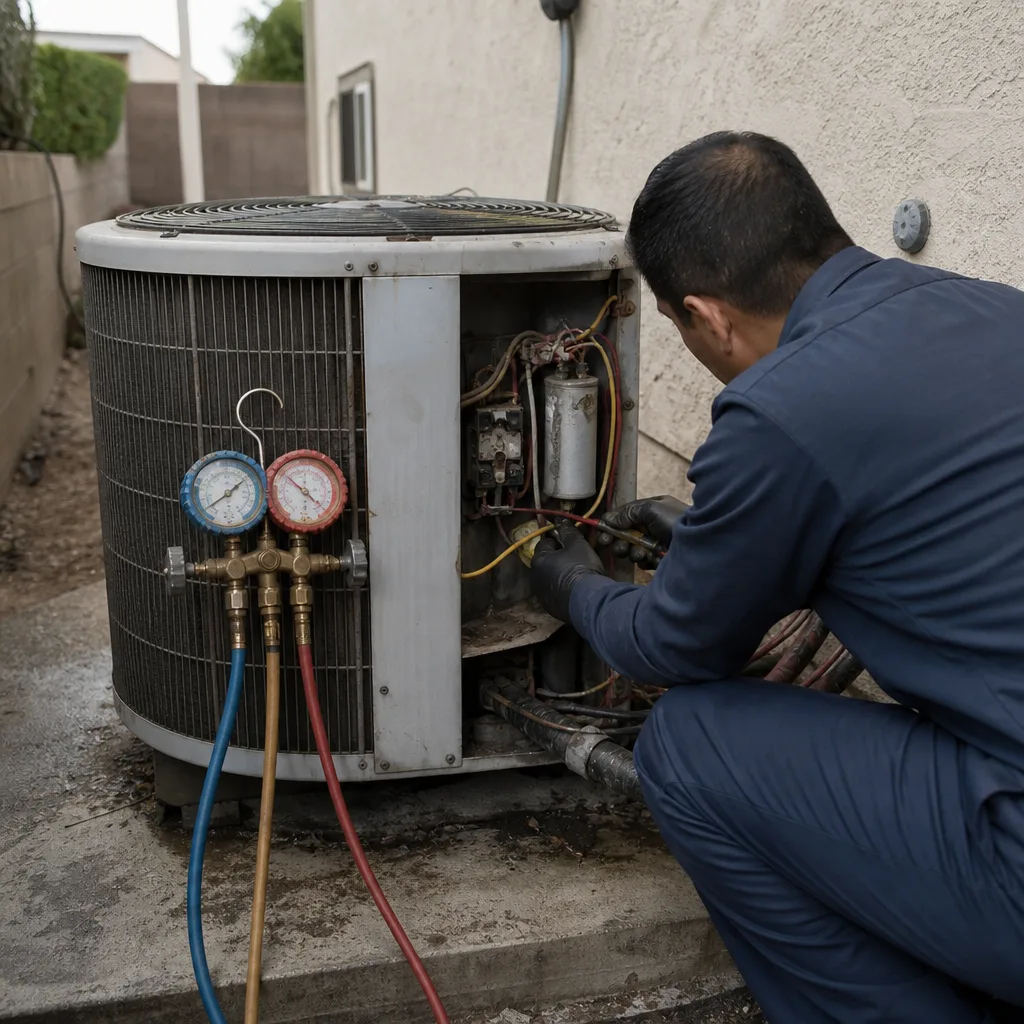 Before
 After
 Before
 After
 Before
 After
When to Call a Professional
Some things are worth checking yourself: filter condition, airflow at the vents, and whether the outdoor unit is clear of debris. But there are specific situations where you should call before you do anything else. If your system is blowing warm air during a heat event, if you hear grinding or screeching at the outdoor unit, if the system short-cycles on and off repeatedly, or if you see water pooling around the indoor unit, those are calls, not look-at-it-later items. If anyone in the household has respiratory or cardiac conditions and the AC has failed during a heat event, that’s a call and a cooling-center trip at the same time.
If you’re considering a system replacement rather than a repair, that’s also a call. Our Jasper AC Repair team handles AC installation and furnace replacement, and we can assess whether a repair makes financial sense or whether a full system swap is the honest answer. We offer free estimates in Glendale. Call (855) 473-8857. We answer 24/7. Fast dispatch from 7am to 7pm, Sunday through Friday, and we’re closed Saturday.
Frequently Asked Questions
Expect days, not hours. During a sustained heat event, demand spikes across the entire region and every company’s queue stretches. The homeowners who prepare before the event, with their system specs on file, are the ones who get service first. Call (855) 473-8857 for an estimate and to get into the queue. We answer 24/7.
The City of Glendale publishes cooling center locations and hours on its official website and through Glendale Water & Power communications during heat events. Find your nearest center now and save it to your phone. Don’t wait until the AC fails to look it up.
Look for the data plate on the outdoor condenser (usually a metal tag on the side or back panel) or on the indoor air handler cabinet. Photograph both, and store the photos on your phone. That one step lets a technician arrive with the right parts instead of making a separate diagnosis visit. Call (855) 473-8857 when you’re ready to schedule service.
Call for service first, then reduce heat load on the house. Close blinds on sun-facing windows, consolidate to one room on the lowest floor, and use fans. If anyone feels unwell or indoor temperature keeps climbing, go to a cooling center. Call (855) 473-8857 to get in the queue. We answer 24/7.
Yes, but run it closed up with a clean high-MERV filter and set to recirculate if your thermostat offers it. Keep the fan running to filter air. If the system is down, seal the house, set up a HEPA purifier in one room, and don’t run window fans. Have masks and a purifier on hand before fire season. Call (855) 473-8857 for a free estimate on any service need.
When repair costs climb and the unit has had repeated failures, replacement usually makes better financial sense than patching it indefinitely. We handle full furnace replacement, and the recommendation is based on your home and budget, not brand loyalty. Call (855) 473-8857 for a free estimate.
The Bottom Line
HVAC emergency preparedness in Glendale comes down to three tasks: document your system’s make, model and specs now; stress-test it in late spring to catch a failure before peak demand; and write a plan for the first two hours of an outage, including a cool place to go. Know your nearest cooling center and the GWP bill assistance programs before you need them. Stock smoke-filtration supplies before fire season. Test the heat in fall so the furnace doesn’t surprise you in winter. Do this work in the mild months, when the system is running and a technician can actually get to you. When you need service, call. Call (855) 473-8857 for a free estimate. We answer 24/7. Fast dispatch from 7am to 7pm, Sunday through Friday.
Written by the team at Jasper AC Repair.