
Last updated November 15, 2026
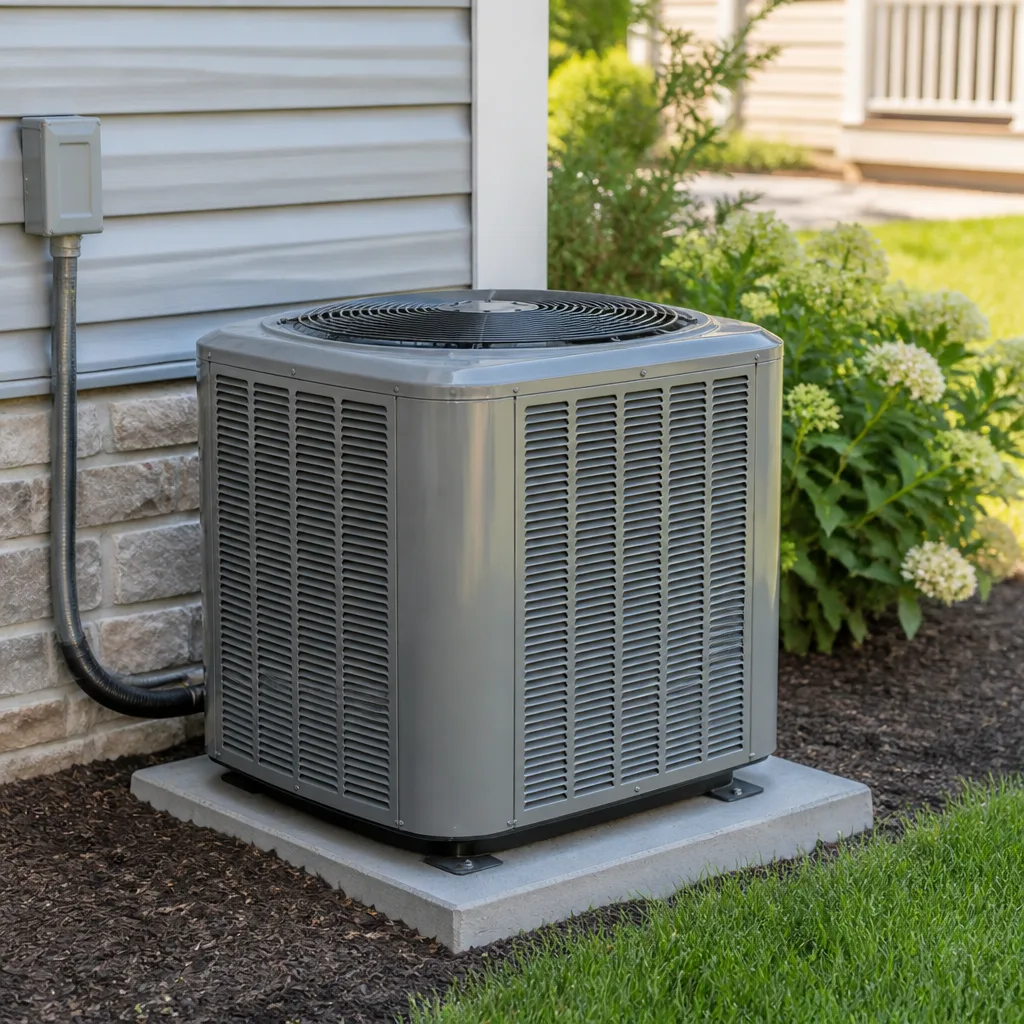 AC repair
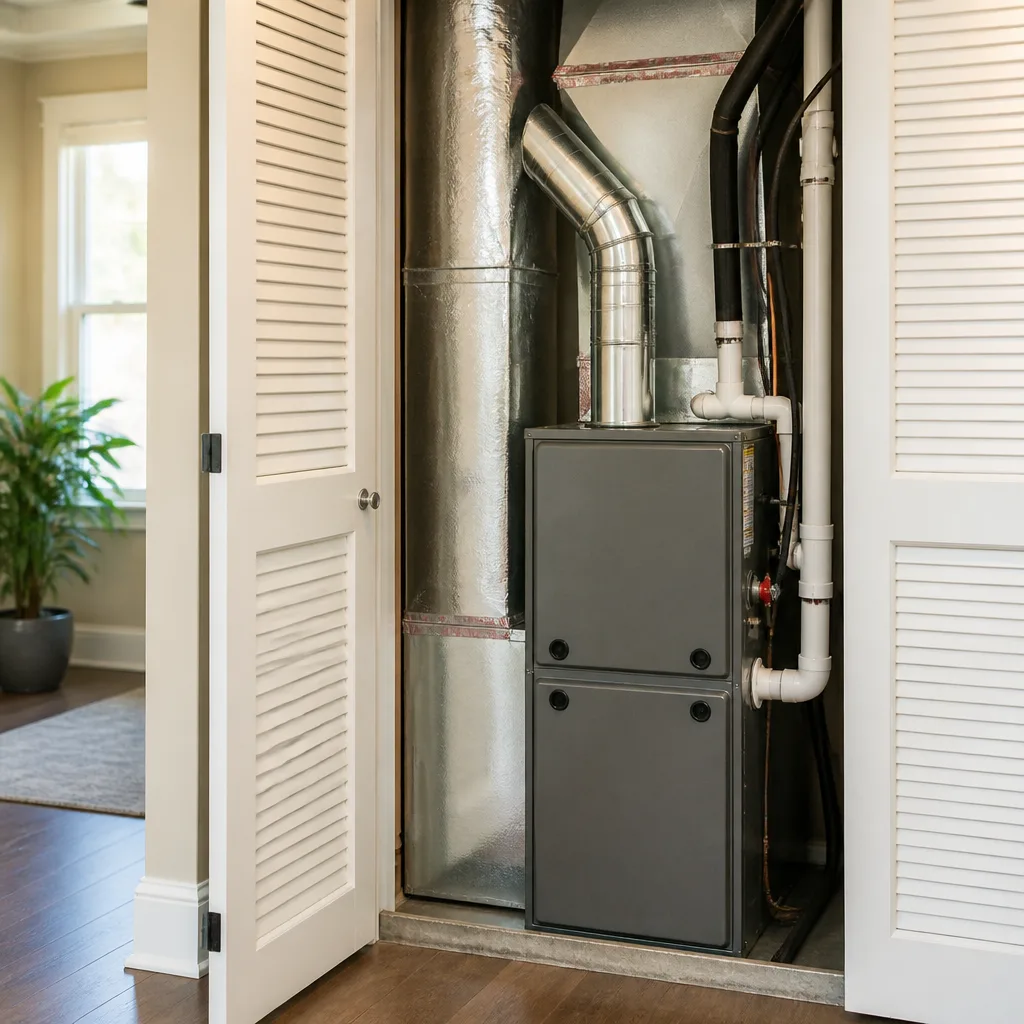 Furnace & heating
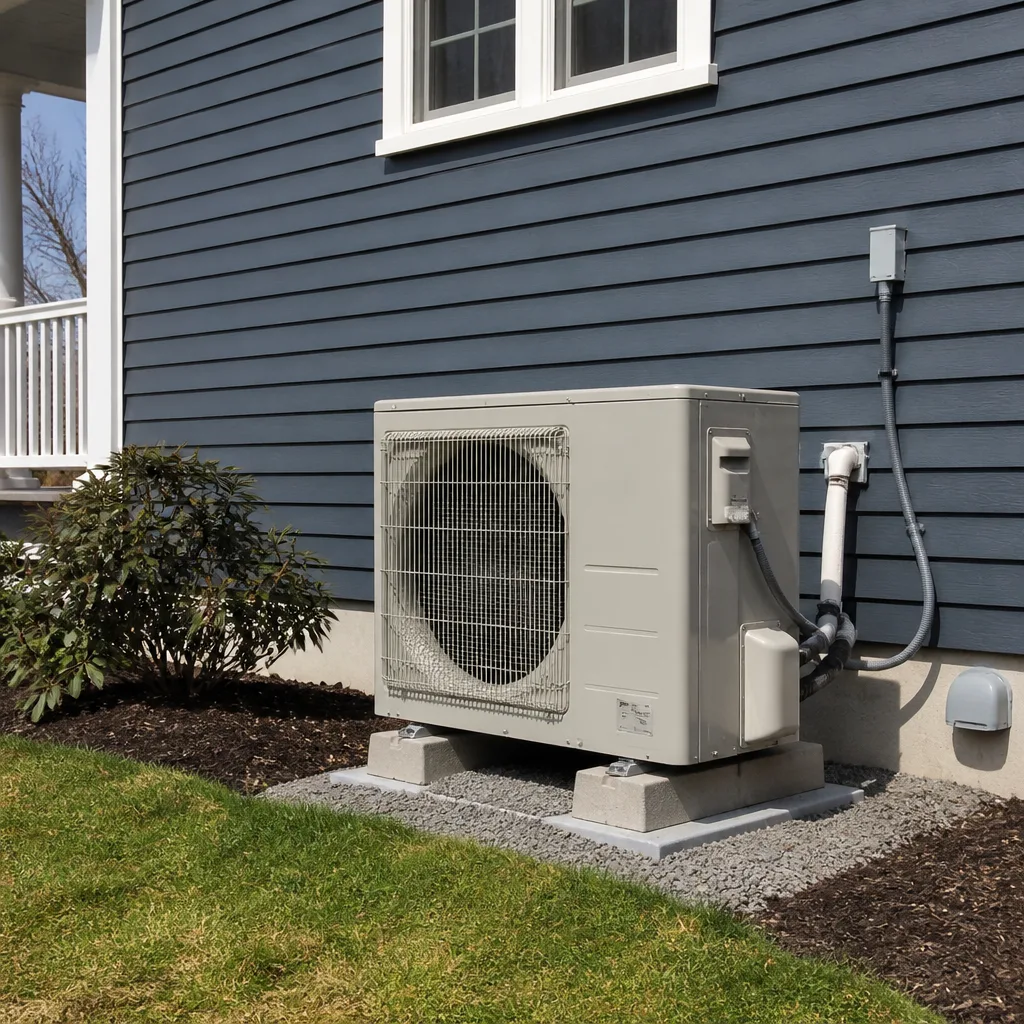 Heat pumps
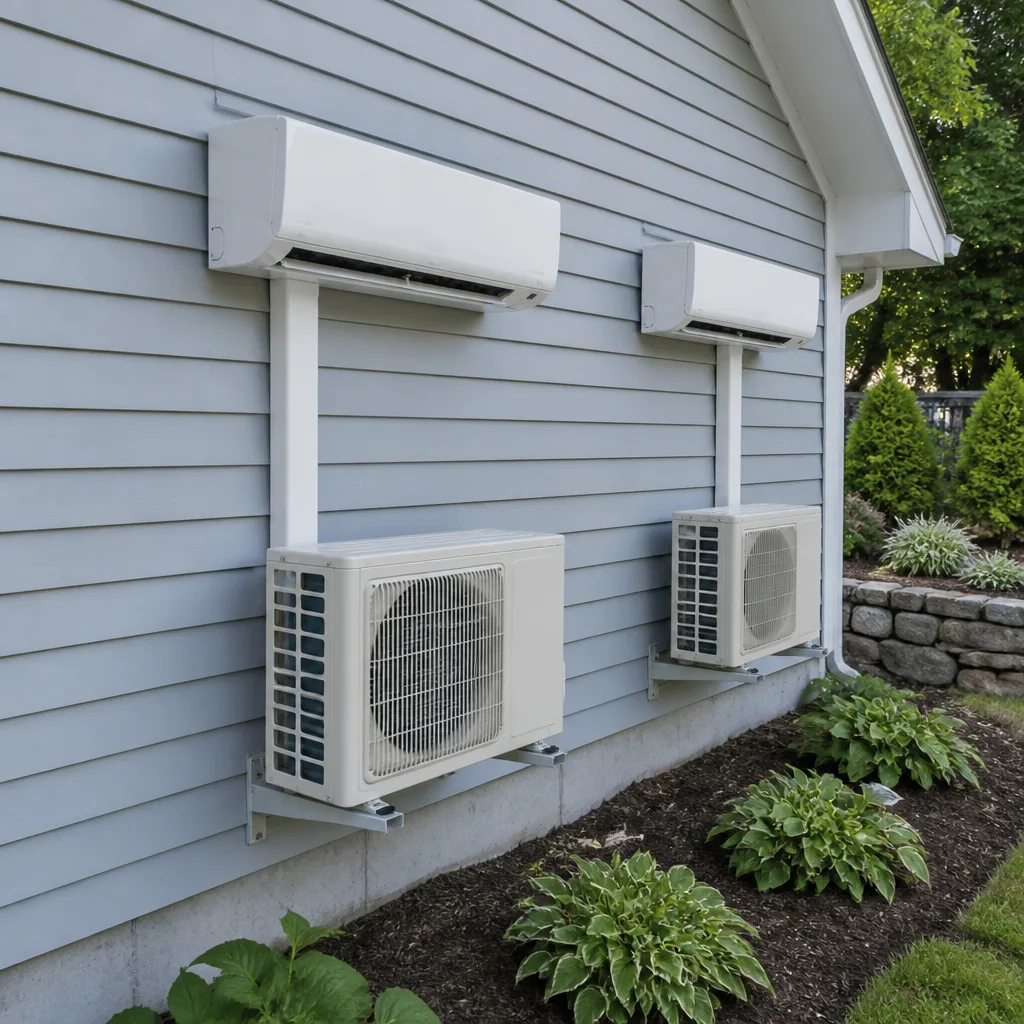 Ductless mini splits
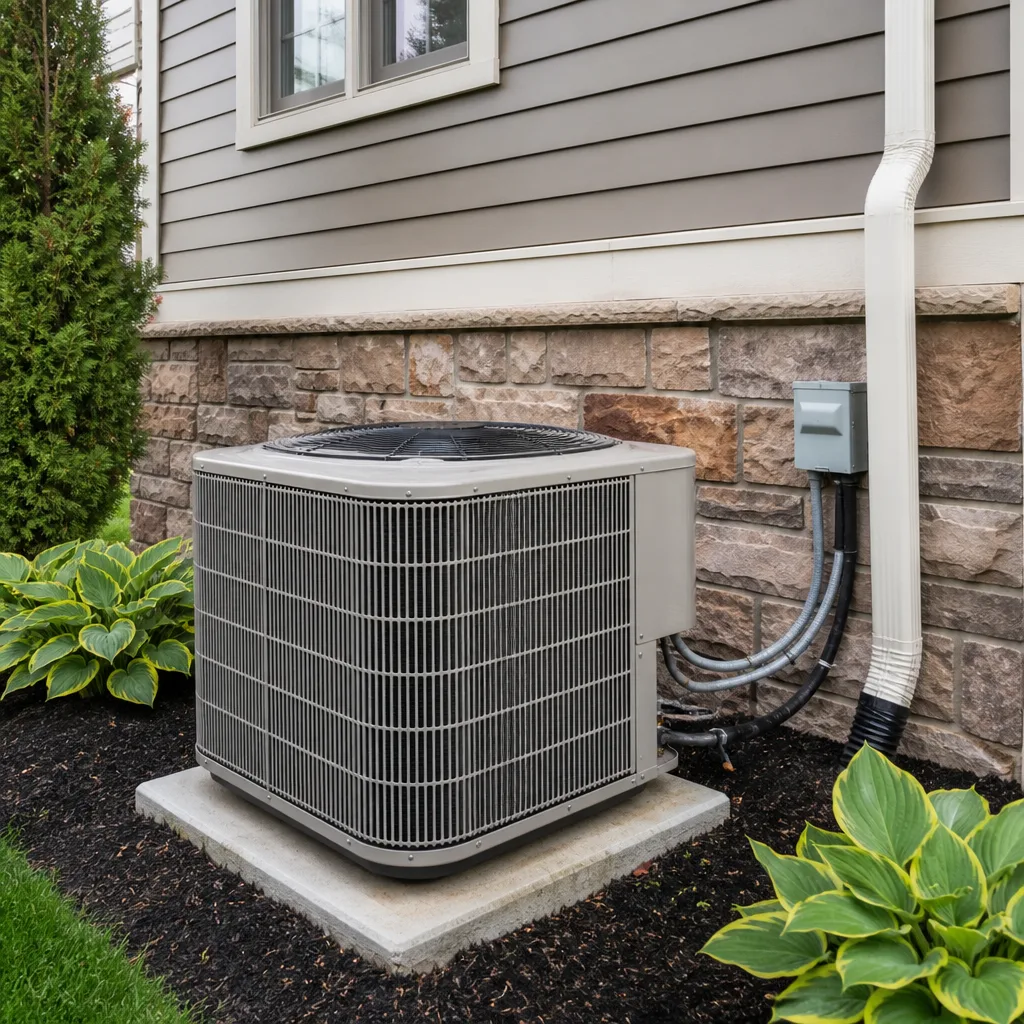 Carrier
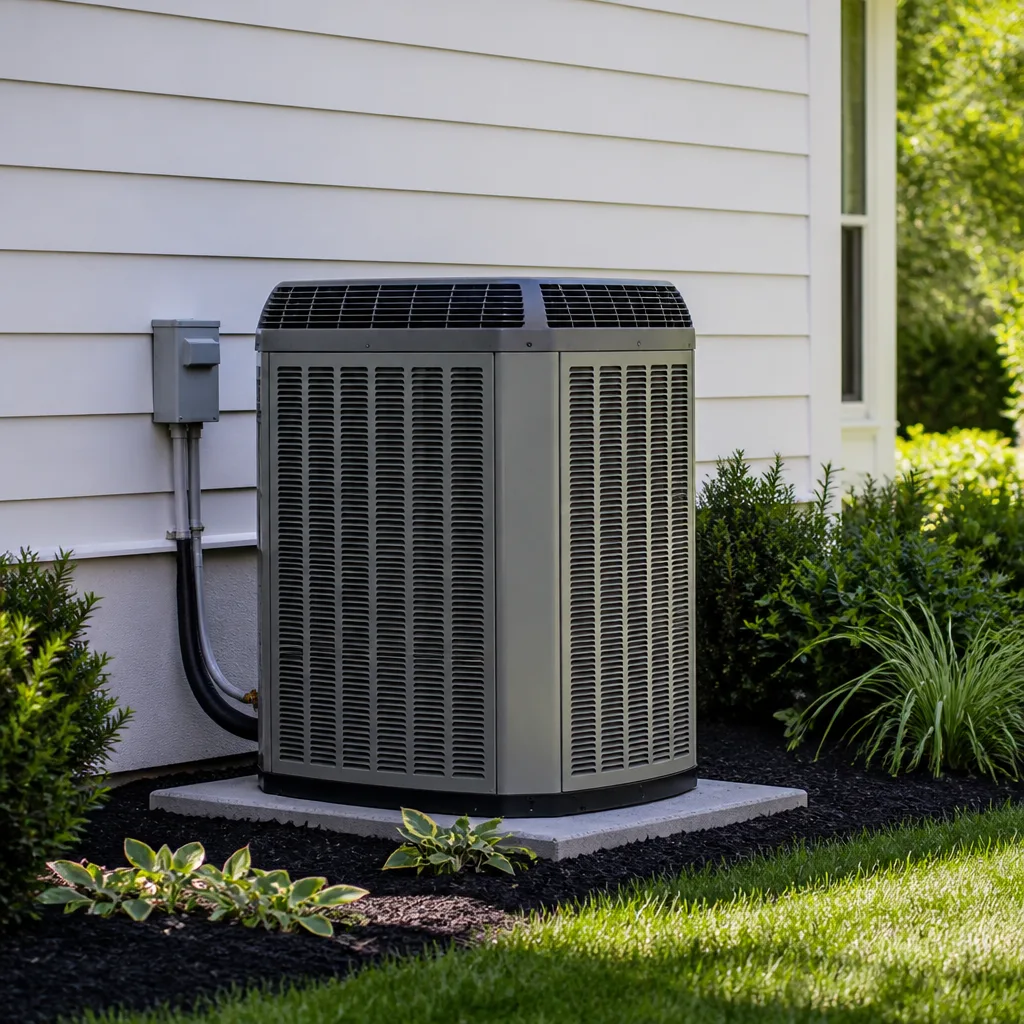 Trane
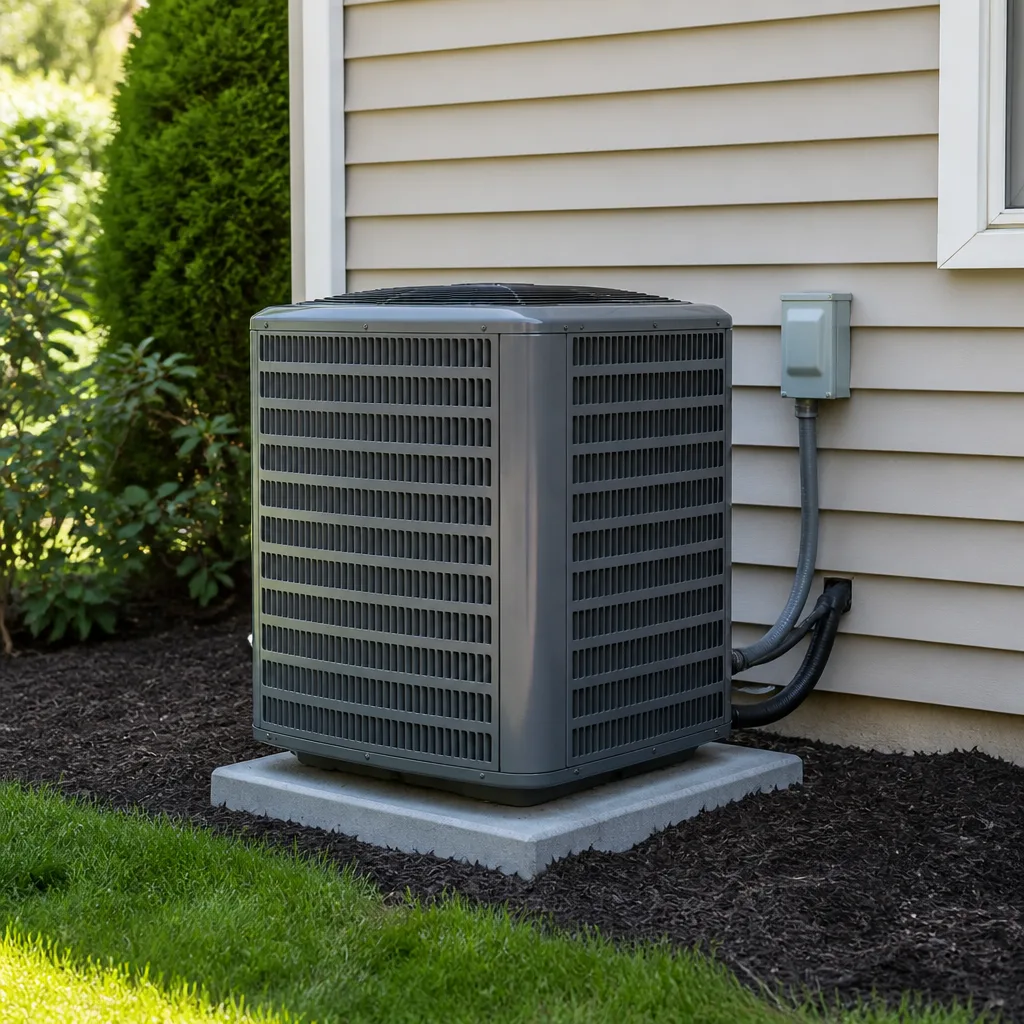 Goodman
Seasonal tune-up and full diagnostic on your Carrier, Trane, or Goodman system - readings shown to you before any repair is proposed
Diagnosis first, numbers second - you approve the repair price before a single part goes in.
Get your free estimateHVAC Warning Signs: A Glendale Homeowner’s Reference Guide
Most homeowners read a short-cycling system as a good sign. The unit kicks on, cools hard, shuts off, comes right back. Surely that’s efficiency. In Glendale, it usually isn’t. A system cycling every few minutes in July is often a compressor running toward a lockout, and the homeowner who dismisses it as a quirk ends up calling from a 95-degree living room. This guide maps each warning sign to its probable cause and sorts them into two buckets: the ones that mean schedule service within a month, and the ones that mean shut the system down today.
Quick Answer
The warning signs that demand same-day action in Glendale are: short cycling every few minutes, a compressor that hums but won’t start, ice on the indoor coil, a burning smell, or water pooling around the furnace or air handler. Everything else – a gradual loss of cooling, rattles, squeals, weak airflow from some vents, higher run times – usually allows scheduled service within a month. The dividing line is whether the system is still moving refrigerant and air safely or has stopped doing one of those jobs.
Key Takeaways
- Short cycling in Glendale summer heat is a red flag, not efficiency.
- Gradual cooling loss points to refrigerant undercharge; sudden capacity drop points to a failing compressor.
- Sounds tell you which component is failing: rattle is the condenser, squeal is the blower, click is the contactor.
- Glendale’s hard water creates a distinct condensate warning pattern that national guides miss.
- Brand matters: Goodman, Rheem, Trane, and Lennox systems don’t fail the same way or announce it the same way.
- Burning smells, ice on the coil, and standing water are same-day calls, not next-week calls.
Styles & brands we work with
- AC repair
- Furnace & heating
- Heat pumps
- Ductless mini splits
- Carrier
- Trane
- Goodman
Table of Contents
- The Glendale Triage Framework: Schedule vs. Shut It Down
- Refrigerant Undercharge vs. Failing Compressor: Telling Them Apart
- What the Sounds Actually Mean, Component by Component
- Hard Water and the Condensate Warning Sign Glendale Sees Most
- Brand-Specific Failure Signatures: Goodman, Rheem, Trane, Lennox
- Heating-Side Warning Signs That Show Up Before Winter
- What to Record Before You Call Anyone
- Common Mistakes to Avoid
The Glendale Triage Framework: Schedule vs. Shut It Down
In Glendale, a failed air conditioner in August is not an inconvenience. It’s a health risk, especially in homes with older occupants, infants, or anyone with a respiratory condition. That fact changes the triage logic. A symptom that earns a “call us next month” in a milder climate earns a “call today” here, because once the system locks out there’s no overnight cool-down to fall back on. Outside temperatures above 100°F are routine in Glendale’s summer, and a house without cooling in that heat climbs fast.
Signs that allow scheduled service within a month:
- Cooling that’s weaker than last summer but still present
- A rattling condenser fan, or a unit that vibrates more than it used to
- Airflow that’s weak at some vents but strong at others
- Higher-than-usual run times with the house still reaching setpoint
- A squealing or grinding blower that quiets down after a minute
- Minor condensation on cabinet seams
Signs that demand same-day action:
- The system cycles on and off every few minutes and can’t hold setpoint
- Ice forms on the indoor coil or the refrigerant lines
- A burning or hot-plastic smell near the air handler or furnace
- Water pooling at the base of the air handler or furnace
- A compressor that hums audibly but won’t start
- Any breaker tripping repeatedly when the system calls for cooling
If any item on the same-day list is present, turn the system off at the thermostat and call. Jasper AC Repair serves Glendale homes across all the major manufacturers, so you aren’t calling around to find someone who handles your particular brand. Jasper AC Repair combines cooling and heating work under one company.
Refrigerant Undercharge vs. Failing Compressor: Telling Them Apart
The single most useful distinction a homeowner can learn is the difference between a system that’s slowly losing refrigerant and one that’s losing its compressor. Both show up as “it isn’t cooling like it used to.” They’re not the same problem, and the difference decides whether a repair is straightforward or a replacement conversation.
Refrigerant undercharge looks like this:
- A slow, steady slide – each summer is a little worse than the last
- Cool air still comes out of the vents, just not as cold
- The system runs long cycles trying to reach setpoint
- Ice may form on the indoor coil or the larger refrigerant line
- The compressor runs, but the suction line feels warm or room temperature
A failing compressor looks different:
- A sudden drop in capacity – the house was fine last week and isn’t now
- The outdoor unit hums but the fan doesn’t spin, or the unit won’t start at all
- The compressor trips its breaker, or the thermal overload resets repeatedly
- The outdoor unit is noticeably hotter than normal
- The system runs but the air from the vents is barely cooler than room temperature
Gradual decline is a refrigerant question and often a leak question. Sudden decline is a compressor or electrical question. If you aren’t sure which one you’re looking at, the safe move is to shut the system down and call. Running a compressor on a low refrigerant charge can damage it, and running a compressor with a failing electrical component can trip breakers repeatedly and stress the whole circuit. Either way, this isn’t a homeowner diagnostic; it’s a trained-technician diagnostic, and in Glendale’s heat, the sooner it happens the better.
What the Sounds Actually Mean, Component by Component
Sounds are the most-misread warning sign in HVAC. Homeowners hear “a noise” and can’t tell whether it’s a five-dollar fix or a five-thousand-dollar one. The component that’s making the noise tells you which it is.
Rattling or buzzing from the outdoor condenser
A rattle from the outdoor unit usually points to the fan blade, the fan motor, or debris in the cabinet. Loose fan blades, worn motor bearings, or a rock bouncing off the fan cage all produce the pattern. On older condensers, mounting bolts work loose and the whole cabinet vibrates. None of these is usually a same-day emergency, but a wobbling fan blade can eventually contact the coil, so schedule it soon.
Squealing or grinding from the indoor air handler
Squeal from the indoor unit almost always means the blower motor or its bearings. An air handler blower runs on belt-driven or direct-drive motors, and both can squeal as bearings wear. Grinding means metal-on-metal contact, which usually means the blower is failing. If the blower slows down while it’s squealing, airflow to the whole house drops and the indoor coil can freeze – which moves this from “schedule it” to “call today.”
Clicking from the contactor or control board
A single click when the system kicks on is normal – that’s the contactor closing. Rapid clicking – click-click-click-click – is a contactor chattering, usually because the low-voltage control signal is unstable. That can be a failing thermostat, a bad transformer, a loose control wire, or a failing control board. On a Goodman or a Rheem system, a chattering contactor paired with the unit failing to start is a common pattern we see in Glendale homes.
Banging or thumping
A single loud bang at startup can be a duct popping under pressure change. Repeated banging inside the cabinet is a loose component bouncing against the housing or a blower wheel out of balance. If it’s loud enough to hear from another room, stop the system and get it looked at.
Hard Water and the Condensate Warning Sign Glendale Sees Most
Glendale’s water runs hard, and that fact shows up in HVAC warning signs in a specific pattern that national guides don’t describe well. In cooling mode, your system pulls moisture out of the air at the indoor coil and drains it out through a condensate drain line. That drain line runs through a trap that stays wet between cycles. In a hard-water area, that trap and the drain pan accumulate mineral scale faster than they do in softer-water parts of the country.
The warning pattern to watch for:
- Water stains on the ceiling or wall near the air handler
- Damp carpet or flooring at the base of the indoor unit
- A musty smell in the return air or near the air handler cabinet
- Visible algae or white crust in the drain pan
- A gurgling sound from the drain line that wasn’t there before
- Water dripping from a condensate line outlet that used to flow freely
Any of these means the condensate path is partially or fully blocked. On its own a slow drain is a scheduled call, but standing water inside the cabinet or over the floor is a same-day call because the water can reach electrical components or the furnace’s control board. It’s also the leading cause of the “musty smell” people mistake for a dirty filter.
If you’re already planning to replace an aging system, ask about condensate routing during the replacement conversation. A properly pitched drain line with a cleanable trap saves a lot of grief in a hard-water market. Jasper AC Repair handles AC installation for residential customers and can discuss drain routing as part of the load calculation and install plan.
Brand-Specific Failure Signatures: Goodman, Rheem, Trane, Lennox
Different manufacturers build control boards and safeties differently, and that means the same underlying failure announces itself in different ways depending on the brand on the cabinet. This is the kind of distinction that matters when you’re trying to describe a symptom to a technician – and it’s why brand-agnostic service saves you time.
Goodman: Goodman systems often present a failing control board as intermittent – the unit works, then doesn’t, then works again, with no change to the thermostat. A chattering contactor paired with intermittent cooling and a blinking status LED on the board is a common pattern. Because Goodman’s boards tend to fail in stages rather than all at once, homeowners sometimes write it off as “the thermostat is acting up.” It usually isn’t.
Rheem: Rheem air handlers and condensers frequently show control-board trouble as a blower that runs on high speed regardless of thermostat setting, or a system that won’t respond to the thermostat at all. Rheem’s thermostat integration and its board logic mean a failure can present as a “stuck” system rather than a dead one.
Trane: Trane systems tend toward clean faults – a compressor lockout with no start attempt, or a clear code on the board. The advantage is that Trane faults are easier to trace. The disadvantage is that a compressor lockout looks identical to a failed start capacitor to a homeowner, and those are very different repairs.
Lennox: Lennox equipment tends to fail progressively – a blower motor that slows over a season, or a compressor that gets weaker before it stops starting altogether. That progressive decline is easy to miss; the symptoms often read as “the house doesn’t cool quite like it used to.”
Jasper AC Repair works on all nine major HVAC brands – Carrier, Trane, Lennox, Goodman, Rheem, York, Daikin, Bryant, and American Standard – so a description like “the board is blinking on a Goodman” doesn’t send you to another company. If you already need service on the heating side, furnace repair is handled by the same team.
Heating-Side Warning Signs That Show Up Before Winter
Warning signs on the heating side are easier for Glendale homeowners to miss, because heating runs so much less than cooling. The furnace sits idle most of the year, then gets a workout for a few months. Most furnace failures announce themselves in the first cold snap. Catch them early and you avoid the scramble.
- Yellow or flickering burner flame: The flame should be steady and blue. A yellow, dancing, or lifting flame often points to a combustion or venting issue.
- A faint gas smell at the furnace: Any gas smell near the furnace is a same-day call. Turn the gas off at the valve if you can find it safely, open a window, and call.
- Repeated short cycling in heat mode: A furnace that fires, runs briefly, and shuts down repeatedly is usually tripping a high-limit switch. That points to restricted airflow, a failing blower, or a heat exchanger issue.
- Cold air from the registers: In heat mode, cold air can mean a flame sensor, an igniter, or a gas valve problem.
- Soot around the furnace cabinet: Soot is a combustion problem and should never be ignored.
- A whistling or booming sound at startup: A boom at lightoff can indicate delayed ignition – a safety concern.
If you live in Glendale and your furnace is already past the point where repair makes sense, it’s worth having that conversation before the first cold snap – not during it. A replacement is easier to plan than a replacement you had to scramble for, and Jasper AC Repair handles furnace replacement as a complete transition, not just as a repair stopgap.
What to Record Before You Call Anyone
You don’t need to diagnose the system. You do need to describe it accurately, and a few minutes of note-taking makes the call more useful.
- Note the thermostat reading and the setpoint. Is the system keeping up, or running continuously and falling behind?
- Note the outdoor temperature and time of day. A system that keeps up at 85°F and fails at 100°F is behaving differently than one that fails at both.
- Describe the sound in plain language. Rattle, squeal, grind, click, bang, hum. Where is it coming from – the air handler, the outdoor unit, or the vents?
- Look at the outdoor unit and the indoor unit once. Ice on the indoor coil? Water on the floor? Soot? Anything visibly wrong?
- Note the brand and model. A Goodman, a Rheem, a Trane, and a Lennox all have different failure patterns, and knowing the brand speeds up diagnosis.
- Note what’s changed since last season. Anything you can describe as “new” or “worse than last summer” is useful.
- Turn the system off at the thermostat if anything on the same-day list is present.
That list won’t replace a technician’s diagnosis, but it will help whoever answers the phone route the call correctly. And in Glendale, that matters when the temperature is climbing and every hour the system is down counts.
Common Mistakes to Avoid
- Assuming short cycling is efficient. A system that cycles every few minutes isn’t cooling faster; it’s failing to cool at all. In Glendale’s heat, that pattern is almost always a warning sign, not a feature.
- Adding refrigerant as a “fix” without finding the leak. A system that’s low on refrigerant is leaking somewhere. Topping it off without locating the leak means the problem comes back.
- Running the system with ice on the indoor coil. Ice means refrigerant flow or airflow is compromised, and running the system while it’s frozen can damage the compressor. Shut it down and call.
- Keeping the system on after a burning smell. A hot-plastic smell at the air handler is a fire-safety warning, not a quirk. Turn the system off at the thermostat.
- Ignoring water near the furnace. In Glendale’s hard-water market, a slow condensate drain can reach electrical components quickly. Standing water is a same-day call.
- Replacing a system before it needs replacing. Gradual decline doesn’t automatically mean replacement. A failing start capacitor, a bad contactor, or a stuck thermostat can look similar to a failing compressor to a homeowner.
- Calling only the brand’s name-brand shop. A Goodman-only shop won’t help you with a Trane. A brand-agnostic technician can work on what you actually have.
- Waiting until the first cold snap to look at the furnace. Heating failures announce themselves in the first cold snap. That’s the worst time to be trying to schedule a visit.
See the difference
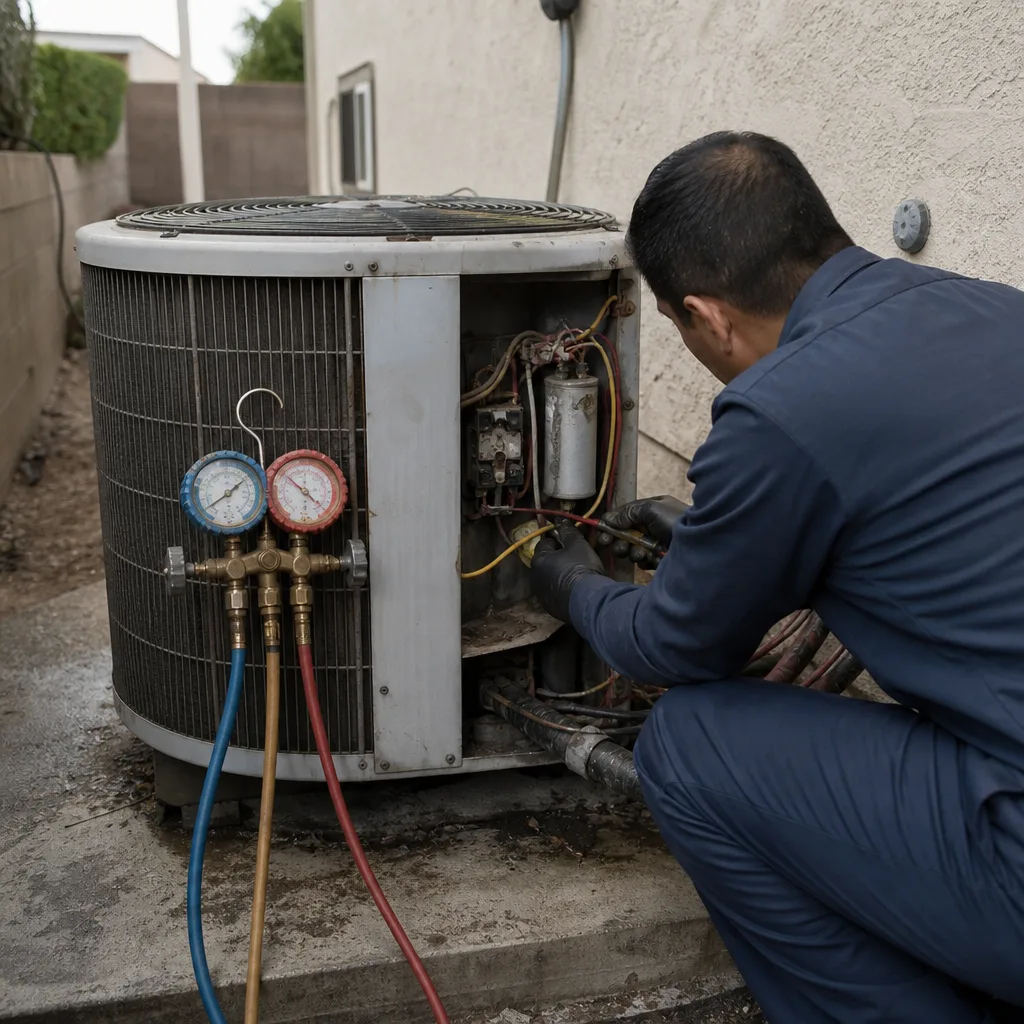 Before
 After
 Before
 After
 Before
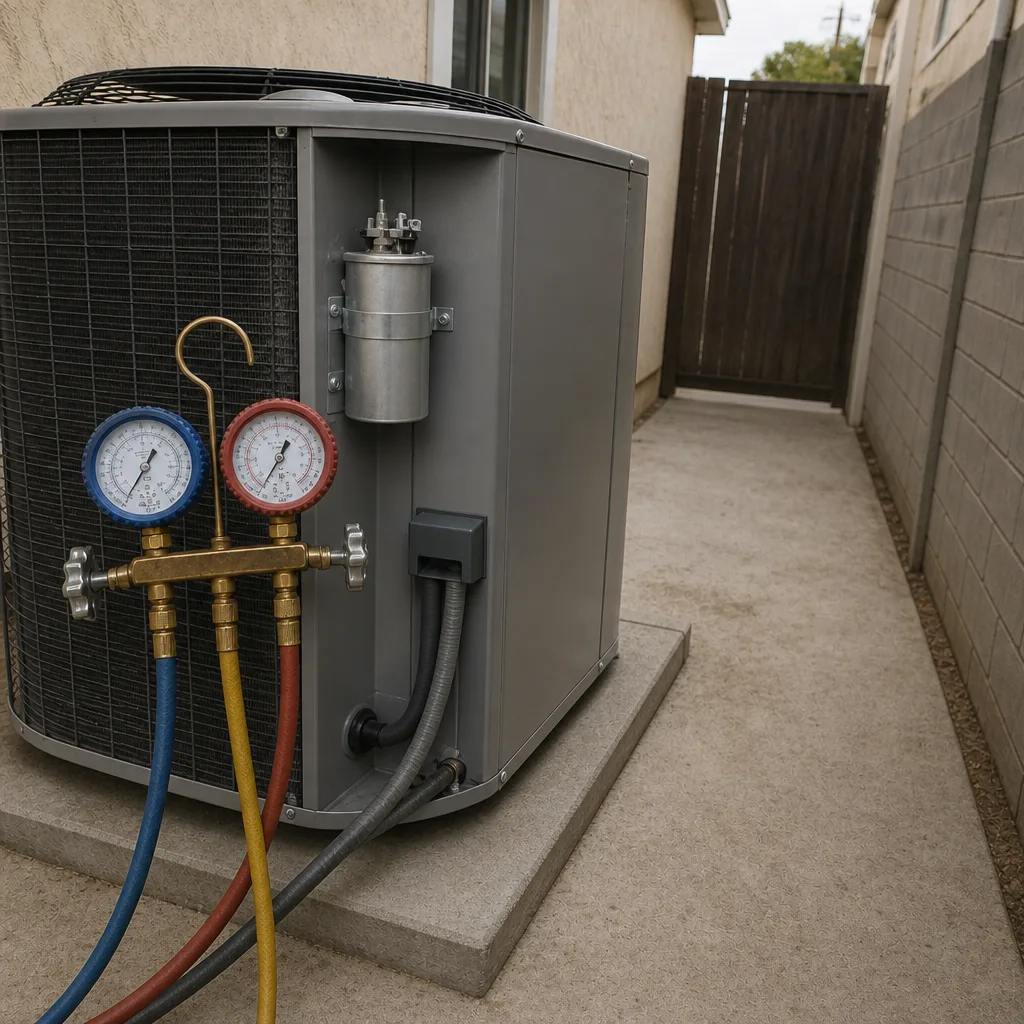 After
When to Call a Professional
Call today if the system is short cycling every few minutes, if the compressor hums without starting, if there’s ice on the indoor coil, if you smell a burning odor, or if there’s water pooling at the indoor unit or furnace. Call soon if cooling is weaker than last summer, if you hear a rattle or squeal from the cabinet, or if the furnace shows a yellow flame or delayed ignition. Any gas smell at the furnace is an immediate call.
Our technicians have up to 15 years of experience, and Jasper AC Repair offers free estimates in Glendale. Call (855) 473-8857. We answer 24/7. Fast dispatch from 7am to 7pm, Sunday through Friday.
Frequently Asked Questions
Short cycling. A system that turns on and off every few minutes usually isn’t cooling faster – it’s a compressor under stress that could lock out entirely in Glendale’s July heat, leaving the house without cooling. If you see short cycling during summer, treat it as a same-day call. Call (855) 473-8857 for an exact quote – estimates are free.
Low refrigerant produces a gradual loss of cooling over a season or more. A failing compressor produces a sudden drop – the system was fine last week and now it isn’t. If you’re not sure, turn the system off and have it diagnosed. Running a compressor on a low charge or a failing electrical component can make it worse.
Glendale’s hard water leaves mineral scale in the condensate trap and drain pan faster than soft water does. That scale, plus algae growth in the warm trap, produces a slow blockage that eventually backs up and overflows. Water at the base of the air handler or a musty smell is the usual sign.
Yes, during Glendale’s cooling season. Short cycling at mild outdoor temperatures is less urgent than short cycling when the outdoor temperature is above 100°F, but either way a system that cycles every few minutes is a system failing to cool. Get it looked at before the next heat wave.
Usually not, but it should be checked. A loose fan blade can bend and contact the coil, which then becomes a real repair. Schedule it soon rather than waiting for it to get worse.
No. Any gas smell near a furnace is a same-day call. Turn the furnace off, open a window, and call. A faint smell may be combustion-related and shouldn’t be treated as normal behavior.
Thermostat problems and control-board problems look similar to a homeowner. A thermostat swap that doesn’t solve the problem costs money and time. Have the system diagnosed first, then decide on the fix. Call (855) 473-8857 for an exact quote – estimates are free.
The Bottom Line
The most useful skill in this guide is sorting warning signs into “schedule it” and “shut it down.” In Glendale, where summer heat above 100°F is routine, that sorting matters more than it does in milder climates. Short cycling, ice on the coil, burning smells, and standing water are same-day calls. Gradual cooling loss, rattles, and squeals are scheduled calls. Sounds tell you which component is failing, brand tells you how the failure is likely to present, and hard water tells you where to look for the condensate problem most Glendale homes eventually face. Whatever brand you have – Carrier, Trane, Lennox, Goodman, Rheem, York, Daikin, Bryant, or American Standard – Jasper AC Repair knows it. Cooling and heating, handled.
Jasper AC Repair handles AC installation, furnace repair, and furnace replacement for residential customers. Call (855) 473-8857 for a free estimate. We answer 24/7. Fast dispatch from 7am to 7pm, Sunday through Friday.
Written by the team at Jasper AC Repair.