
Last updated November 15, 2026
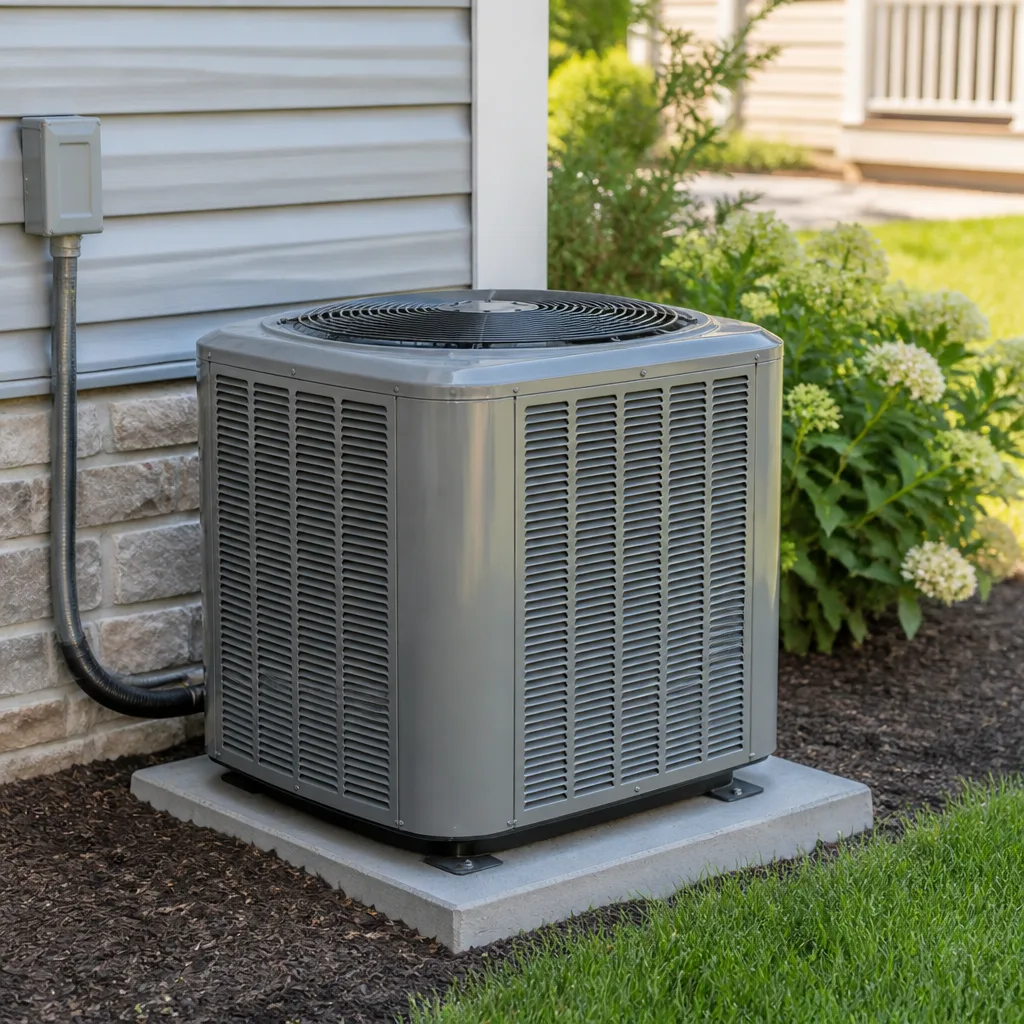 AC repair
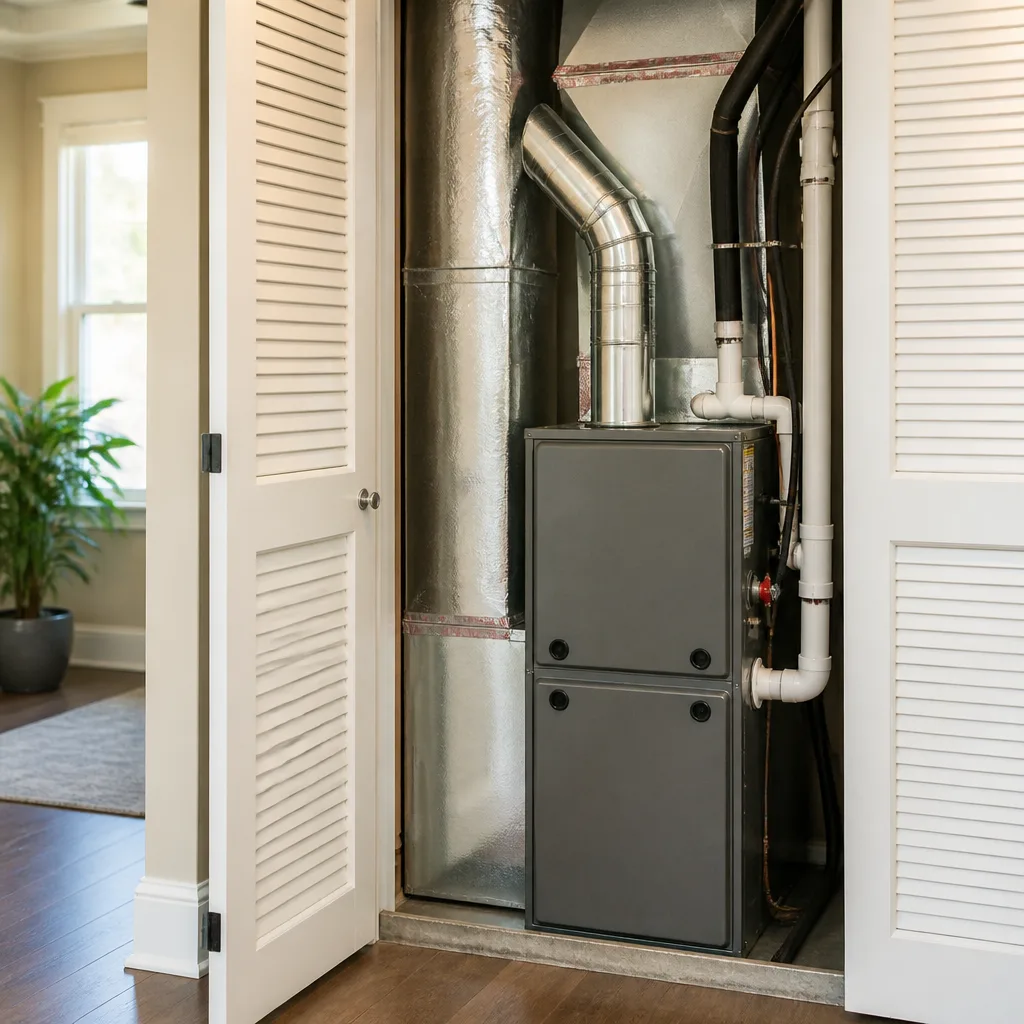 Furnace & heating
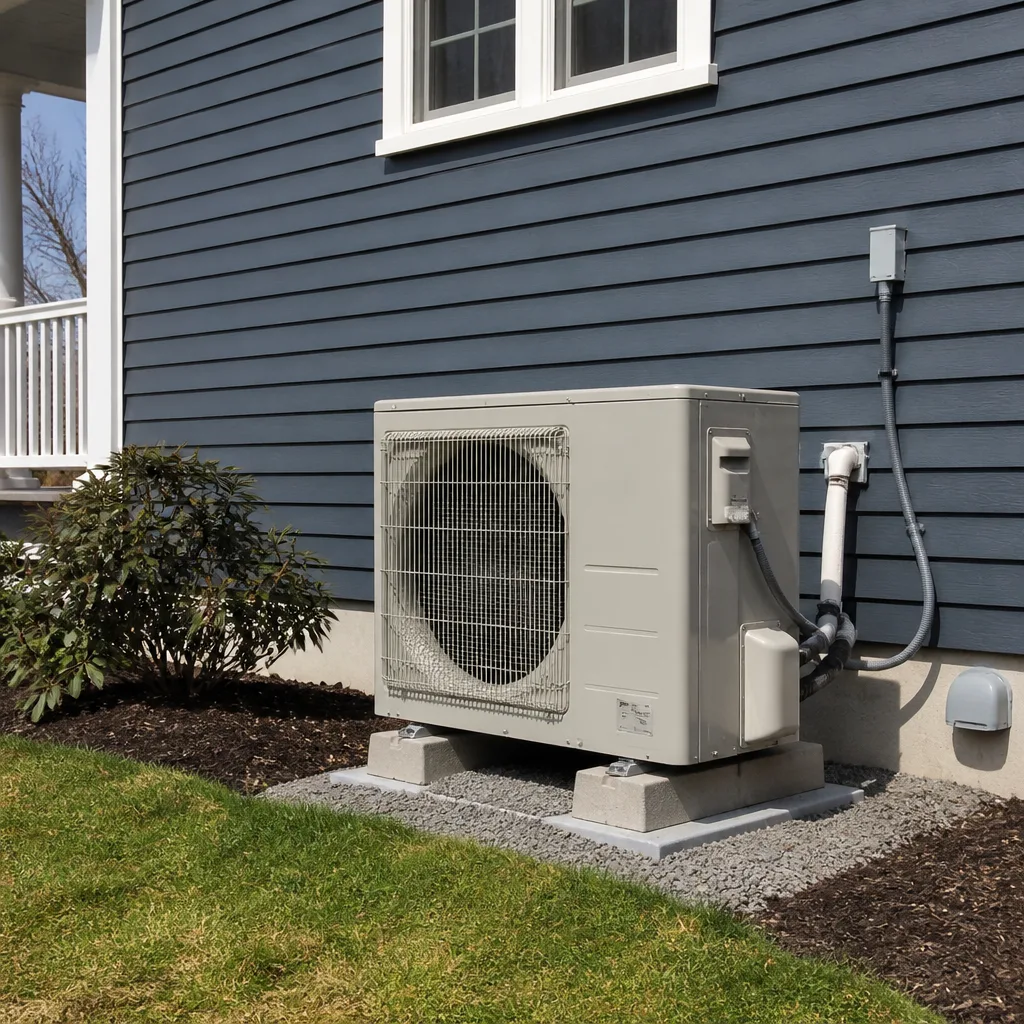 Heat pumps
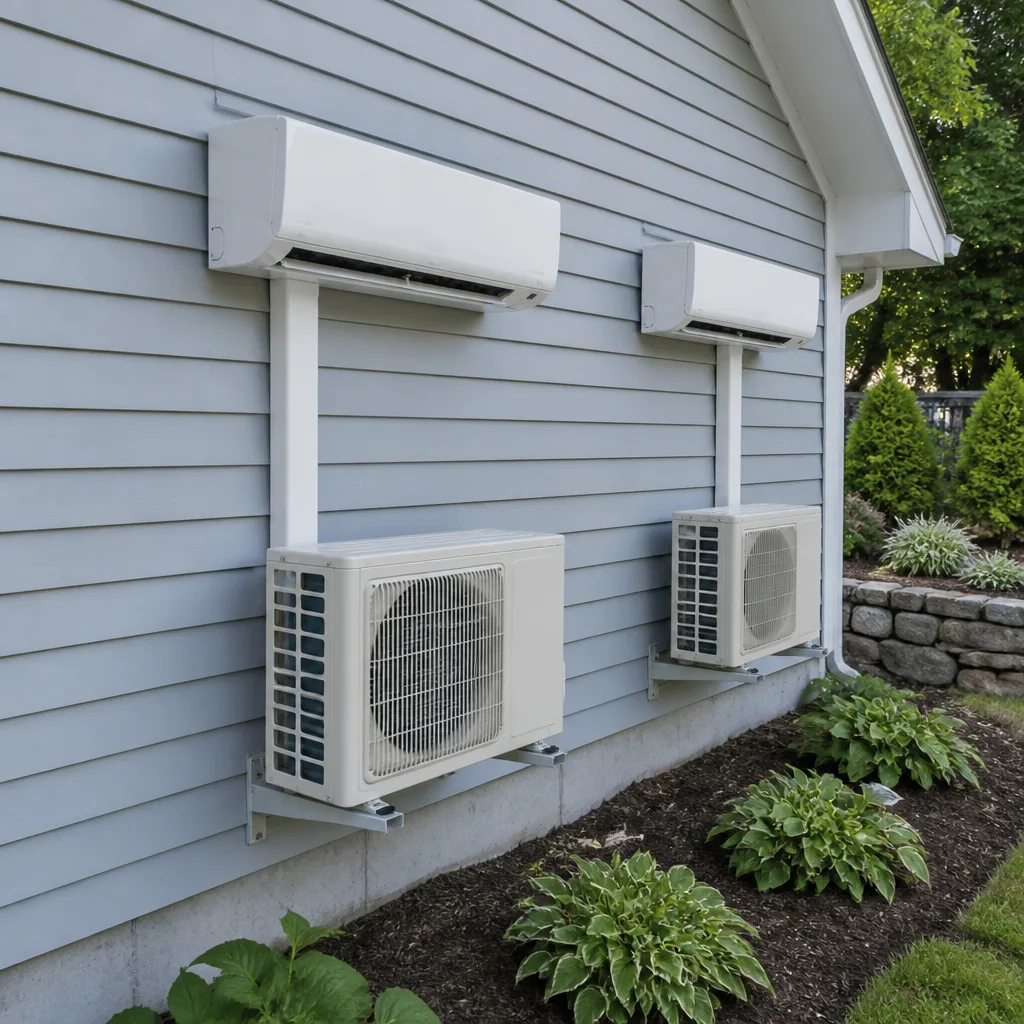 Ductless mini splits
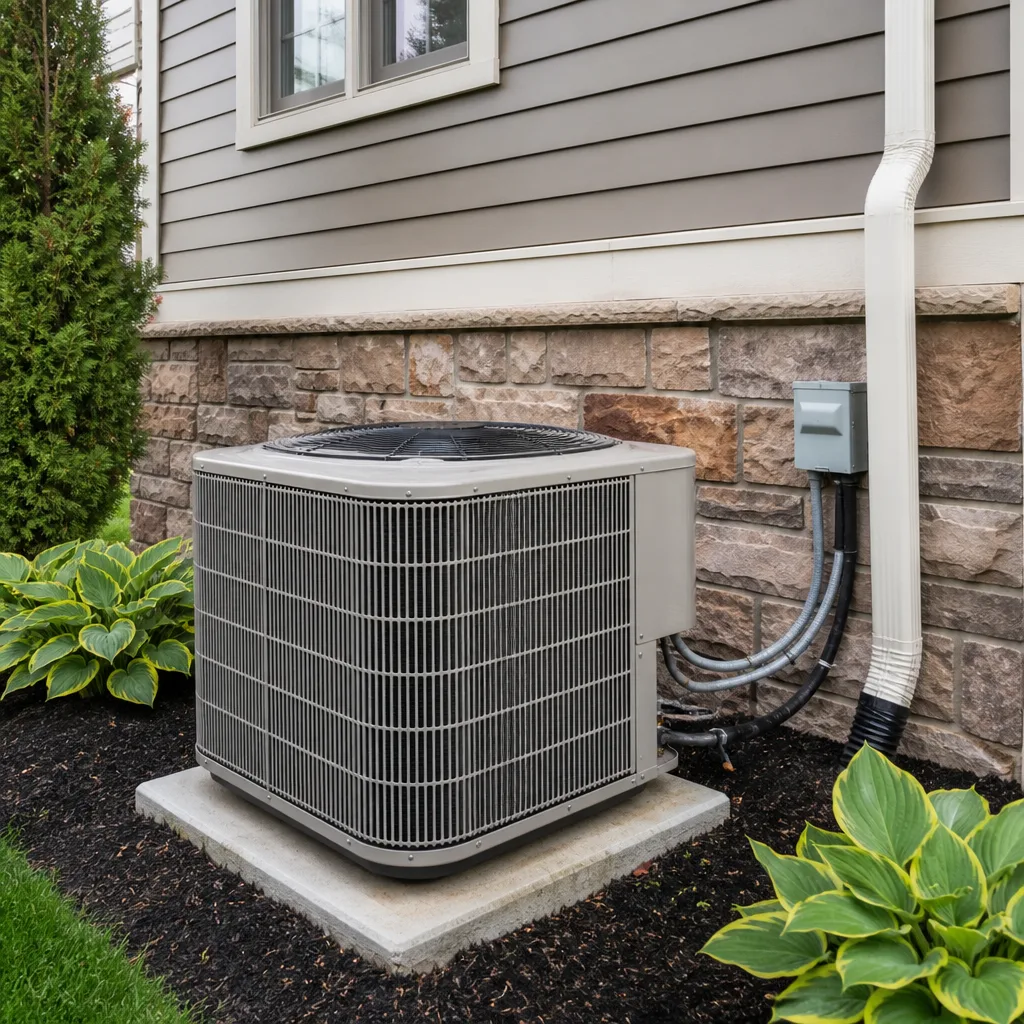 Carrier
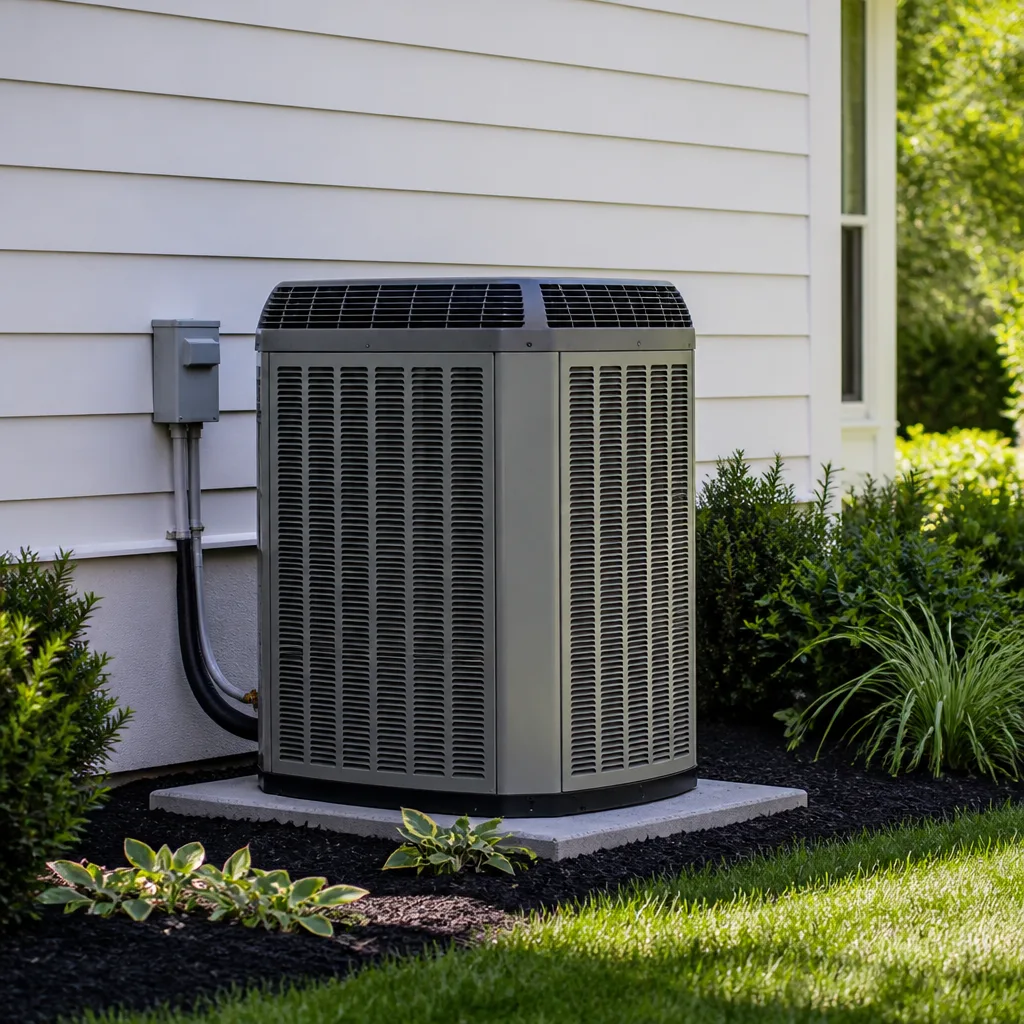 Trane
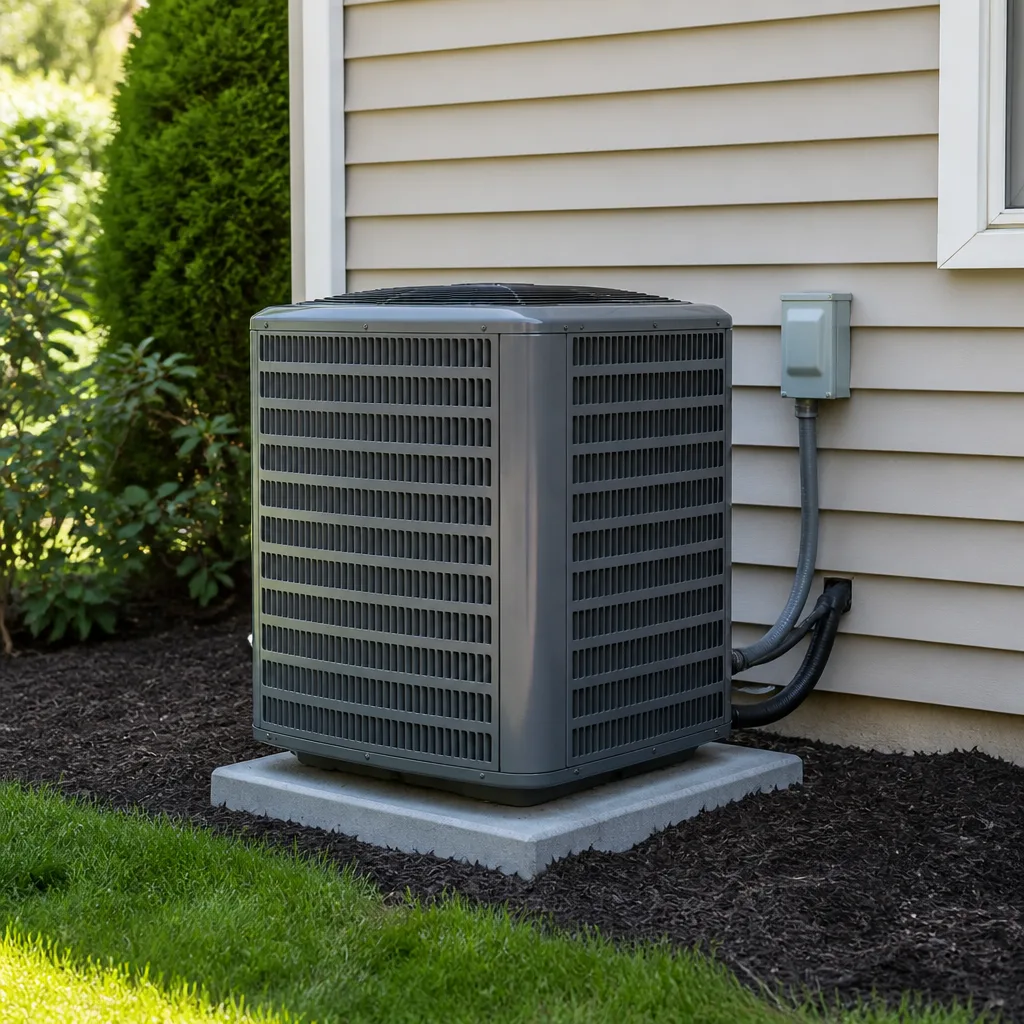 Goodman
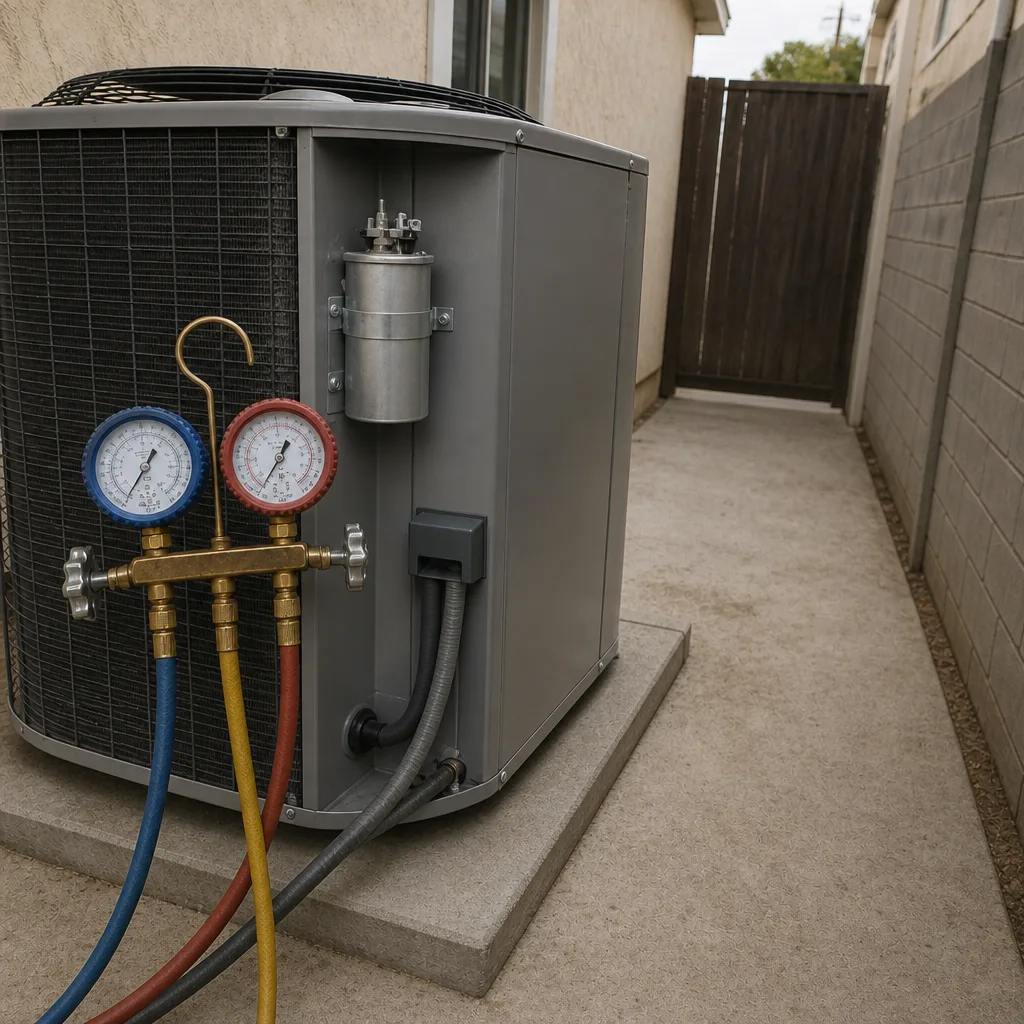
Seasonal tune-up and full diagnostic on your Carrier, Trane, or Goodman system - readings shown to you before any repair is proposed
Diagnosis first, numbers second - you approve the repair price before a single part goes in.
Get your free estimateHVAC Permits, Codes & Inspections in Glendale, CA: What You Need to Know
Here’s the part that surprises most homeowners: swapping an air conditioner for one of the exact same size is still permitted work in Glendale. Not because the city is difficult, but because California treats a condenser change-out as an alteration to a mechanical system, and Glendale layers its own municipal amendments on top of the state’s Title 24 energy code. Some contractors lean on that confusion and offer a cheaper “no-permit” install, which quietly transfers the liability to you. That paperwork becomes your problem the day you list the house. This guide walks through what triggers a Glendale Building & Safety permit, how duct leakage testing works in practice, what inspectors actually check, and what happens at escrow when the work was never signed off. If you’re planning HVAC work in Glendale, read this before anyone hands you a quote.
Quick Answer
In Glendale, CA, most HVAC work requires a permit from the city’s Building & Safety Division, including like-for-like condenser and furnace replacements. Only minor repairs that don’t alter the system, its capacity, or its ductwork typically qualify as exempt. The work must also meet California Title 24 energy requirements, and duct alterations usually trigger a HERS (Home Energy Rating System) duct leakage verification by a third-party rater before the job is considered complete. Pulling a permit is the homeowner’s legal right for owner-occupied, single-family work, but the inspection still has to pass.
Styles & brands we work with
- AC repair
- Furnace & heating
- Heat pumps
- Ductless mini splits
- Carrier
- Trane
- Goodman
Table of Contents
- Which HVAC Jobs Trigger a Glendale Permit?
- Title 24 and Duct Leakage Testing in Practice
- What Glendale Inspectors Actually Check
- The Real Cost of Unpermitted HVAC Work at Escrow
- How to Pull a Permit Yourself in Glendale
- How Glendale’s Climate Shapes the Code Conversation
- Brand Doesn’t Change the Permit Rules
Which HVAC Jobs Trigger a Glendale Permit?
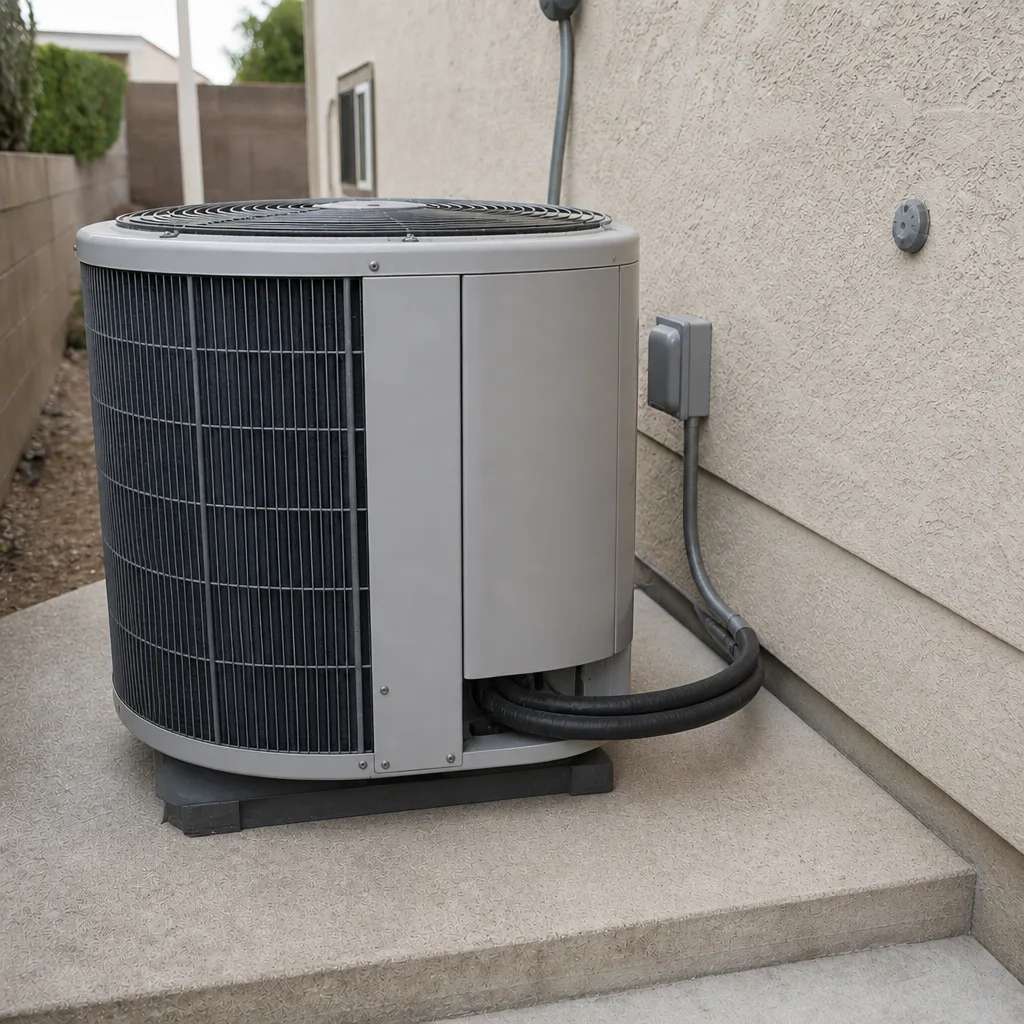
Any replacement of the outdoor condenser or the furnace unit itself requires a permit in Glendale. So does adding a new circuit to a system, moving a unit, changing its size, extending or modifying ductwork, or installing anything that wasn’t there before. A permit is also typically required when the work involves gas line connections at a furnace or refrigerant line work at a condenser, because the inspection covers the mechanical and electrical connections, not just the box in the yard.
California’s mechanical code does carve out some exemptions. Those generally cover repairs that don’t change the system’s capacity, energy use, or layout. In practice that means:
- Usually exempt: replacing a failed capacitor, contactor, or thermostat; clearing a drain line; swapping a blower motor of the same rating; recharging refrigerant without altering the lines.
- Usually permitted: a new condenser or air handler of the same tonnage; a furnace replacement; any ductwork modification; adding a mini-split head; relocating an outdoor unit; changing from gas to electric heat.
- Always permitted: new system installation where none existed, or a tonnage change that affects load calculations and Title 24 compliance.
Here’s where Glendale gets specific. The city’s municipal amendments add layers to the state mechanical code around seismic anchoring and equipment clearances, and inspectors apply them consistently. Contractors who work mostly in Los Angeles or Pasadena sometimes miss a Glendale-specific requirement and end up with a failed inspection that stalls the job. That’s one reason we tell homeowners to ask whether the technician has done permitted work in the city itself, not just in the county. If you want to see how our own approach to AC installation handles the permit process, that page walks through it step by step.
Title 24 and Duct Leakage Testing in Practice
Title 24 is California’s energy code, and it applies to HVAC replacements whether you’re in a 1920s bungalow near Adams Hill or a newer build off Brand Boulevard. When ductwork is added, altered, or extended during an HVAC job, the code usually requires a duct leakage test performed by a certified HERS rater – a third party, not the installing contractor. The test measures how much conditioned air escapes the system under pressure, and the acceptable threshold depends on the scope of the work and whether the ducts are inside or outside the conditioned envelope.
Here’s what the process actually looks like in a Glendale replacement:
- Permit is filed. The permit application notes whether ductwork will be sealed, replaced, or left alone.
- Contractor performs the install, sealing joints, plenums, and connections with mastic and approved tape.
- HERS rater is scheduled to perform the duct leakage test on-site after the install but before final inspection sign-off.
- Rater submits results to the HERS registry, which reports to the city.
- Glendale inspector does the final walk-through and confirms both the mechanical work and the HERS verification landed.
A failed duct leakage test isn’t the end of the job, but it does add time. The usual fix is to find the leaking joints and reseal them, then re-test. That can push a project into a second week if the rater’s next available slot is far out. If your home has older rigid ductwork wrapped in decades-old insulation, expect a real possibility of the first test failing. We flag that upfront so the timeline isn’t a surprise. One company handling both the mechanical work and the testing coordination is a lot easier than chasing a second contractor for the paperwork – that’s part of why our furnace repair work always starts with a conversation about permit scope.
What Glendale Inspectors Actually Check
The city inspector is verifying the work against the California Mechanical Code as amended by Glendale, plus any Title 24 energy measures tied to the permit. A few items come up often enough that they’re worth knowing before the install begins:
- Equipment clearances. Outdoor units need adequate clearance to walls and fences for airflow and service access. A condenser jammed against a wall to save patio space will fail.
- Seismic anchoring. California requires mechanical equipment to be anchored against movement. Glendale inspectors check this, especially on rooftop-mounted or pad-mounted condensers.
- Electrical disconnect placement. A disconnect must be within sight of the outdoor unit and correctly rated for the equipment.
- Gas line sizing and combustion air at the furnace. This is where older homes with a non-compliant closet or a converted closet often get called out.
- Condensate drainage. The drain line must be routed and terminated correctly, not just dumped near the foundation.
- HERS verification certificates on file for duct leakage and any applicable refrigerant charge verification.
- Equipment labels and rated capacity matching the permit, which is where a last-minute sizing change bites.
Local amendments are the detail that catches out-of-city contractors. Some of them tighten the state code around specific install types, and inspectors in Glendale apply them without exception. In our experience, the fastest jobs are the ones where the contractor treats the permit as part of the job, not an afterthought. The slowest are the ones where the installer shows up with the wrong equipment clearances planned and has to relocate piping on the day of inspection.
The Real Cost of Unpermitted HVAC Work at Escrow
Unpermitted HVAC work doesn’t always blow up a sale right away, but it almost always slows one down. In the current Glendale market, home inspectors routinely flag missing permits for mechanical replacements, and that flag follows the property through disclosures. Buyers’ agents in a competitive market use it as negotiating leverage, sometimes far beyond the actual cost of permitting the work. Lenders, especially on FHA and VA financing, can require documentation that the system was installed to code, and an unpermitted install can stall the appraisal or financing process.
What actually happens, roughly in order:
- Home inspector notes “HVAC equipment replaced, no permit on record.” That’s a standard disclosure item.
- Buyer’s agent requests permits. If there’s no paper trail, the seller has to either pull a permit after the fact or accept a credit.
- Retroactive permitting is possible but harder. The city can require inspection of work already hidden, which sometimes means opening up ductwork or wall assemblies to verify.
- Worst case, the buyer walks. It’s rare but it happens, especially when the paperwork gap signals a broader pattern of unpermitted work.
That’s the practical case for permits. The paperwork trail is worth more at resale than the permit fee costs up front. Some contractors offer a cheaper path by skipping the permit; the money saved gets repaid at closing. If you want a straight read on doing this properly in Glendale, we’ll walk through the sequence with you on a free estimate. Our team is Jasper AC Repair, and we’ve helped homeowners and their agents sort through exactly this kind of paperwork gap.
How to Pull a Permit Yourself in Glendale
California allows a homeowner to pull a permit for HVAC work on a single-family home they live in, provided they perform or directly supervise the work themselves. This is called an “owner-builder” permit. It’s legal and it’s not unusual in Glendale, particularly for smaller jobs. What it isn’t is a workaround for hiring an unlicensed contractor to do the actual install under your name. If the person swinging the tools isn’t licensed, the owner-builder permit doesn’t protect you, and the inspection will likely fail. It can also void any warranty on the equipment.
If you’re going the owner-builder route, the usual sequence looks like this:
- Confirm the property is owner-occupied and is a single-family home. Rental properties and multi-family buildings don’t qualify.
- Contact Glendale Building & Safety to confirm the scope and permit type. Ask specifically about Title 24 and HERS requirements, since those still apply.
- Submit the application with equipment specifications, site plans if required, and the load calculation documentation for a replacement that changes capacity.
- Pay the permit fee. Fees vary by scope, so ask the city for the current schedule rather than estimating.
- Schedule inspection stages as the job progresses. Rough inspection before closing up walls or ductwork, final inspection when everything is done.
- Arrange the HERS verification separately if ductwork is involved. The rater isn’t from the city; you hire them.
Where this gets complicated is when the job is a full replacement with ductwork. The HERS scheduling, the equipment specification matching, and the inspection staging are a lot to manage while the system is torn apart. In our experience, most homeowners who start down this path end up handing the permitting back to the installing contractor once they see the checklist. That’s fine, and it’s how the process was designed to work. But if you want to do it yourself, know what you’re signing up for.
How Glendale’s Climate Shapes the Code Conversation
Glendale’s summers do the work of justifying every cooling code requirement on the books. Long stretches of dry, hot days are the norm, and that’s precisely why duct leakage matters more here than in milder parts of the state. Air that leaks out of a poorly sealed duct in the attic isn’t just wasted energy; it’s cooled air you paid for that never reaches the room. That’s the practical reason Title 24 treats duct sealing the way it does, and why the HERS leakage test isn’t just paperwork. In older Glendale homes, especially bungalows with ductwork running through unconditioned attics, sealing makes a measurable difference to comfort in August. Newer construction holds up better, but older homes need the attention.
The winters are mild, which changes the heating equation. A furnace in Glendale runs less often than one in the mountains, so homeowner attention tends to drift toward the AC. The catch is that a furnace sitting idle for eight months doesn’t fail gracefully. Its first cold-weather run is when you find out whether the gas connections, the heat exchanger, and the electrical are still sound. When we inspect a furnace as part of a replacement, we treat the gas and combustion checks as non-negotiable – the equipment is permitted work, but the safety side is genuine. If there’s a suspicion of a cracked heat exchanger or a gas connection issue, that’s not a job for a homeowner with a wrench; a trained technician needs to be the one on it. Otherwise, the guide to how Glendale handles this kind of work runs deeper on city-specific requirements for anyone who wants the details.
Brand Doesn’t Change the Permit Rules
One thing that doesn’t factor into the permitting conversation: which equipment is going in. Whether you’re replacing a York condenser or moving a Bryant furnace into a freshly sealed closet, the code path is the same. The permit scope, Title 24 requirements, and inspection sequence apply to the work, not the label on the equipment. A brand-specific contractor might suggest otherwise if their recommendation is tied to a specific manufacturer’s process, but the city inspector doesn’t care about the logo. They care about clearance, anchoring, electrical, gas, and HERS documentation.
That’s actually one of the reasons we keep our brand list wide. We work on equipment from Carrier, Trane, Lennox, Goodman, Rheem, York, Daikin, Bryant, and American Standard because the right replacement isn’t always the same brand that was there before. Sometimes a different brand fits the home’s existing infrastructure better, or meets the homeowner’s budget without compromising on what the code requires. Brand-neutral advice is the whole point, because the permit doesn’t care and neither should your contractor. Our technicians have up to 15 years of experience on these systems, and that experience is exactly what informs the honest repair-or-replace conversation that comes up when a furnace is on its way out.
Common Mistakes to Avoid
- Assuming “same size” means “no permit.” It doesn’t in Glendale. A like-for-like condenser replacement still requires a permit from Building & Safety, and skipping it is the fastest way to complicate a future sale.
- Letting a contractor start work before the permit is issued. Pulling a permit after the fact is possible but the inspection process is harder, because some work will already be hidden and may need to be opened up.
- Forgetting the HERS rater. When ductwork is altered, the third-party duct leakage test has to be scheduled, performed, and reported to the city. It doesn’t happen automatically, and a final inspection will fail without it.
- Hiring an out-of-city contractor who hasn’t done Glendale-specific work. The municipal amendments here are applied consistently, and a contractor who’s used to another city’s approach will likely miss something the inspector catches.
- Changing equipment size after the permit is filed. The permit is tied to the rated capacity. A last-minute upgrade means an amended permit and an extra inspection, which delays the whole job.
- Pulling an owner-builder permit and letting an unlicensed installer do the work. This is a legal exposure and a warranty problem, and the inspection will almost certainly fail.
- Treating the permit as the contractor’s problem. It’s the homeowner’s legal documentation at the end of the day. Ask for the permit number and the HERS certificate before the job is closed out.
See the difference
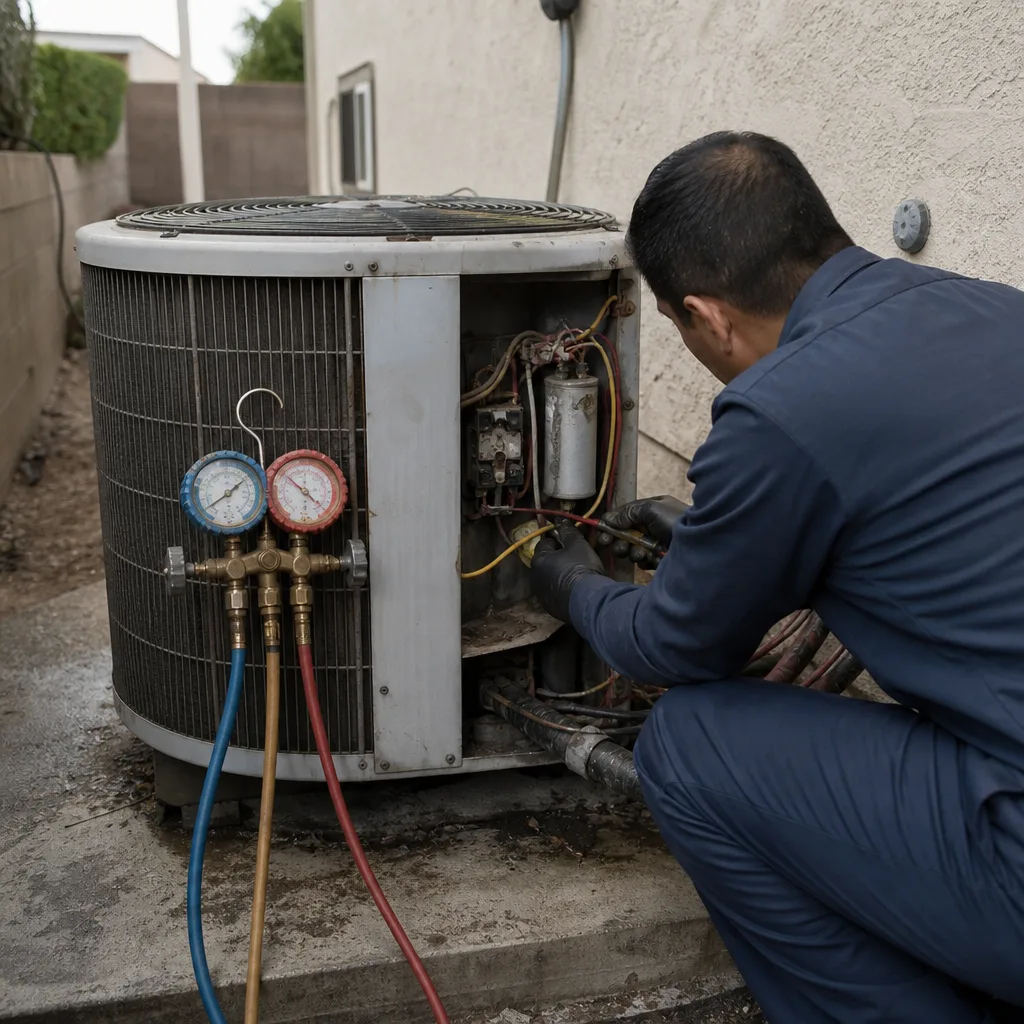 Before
 After
 Before
 After
 Before
 After
When to Call a Professional
If you’re replacing a condenser, a furnace, or any part of a duct system, call a licensed HVAC technician before you start pulling quotes. The permit sequence, the HERS scheduling, and the inspection staging are things a knowledgeable contractor manages smoothly and things most homeowners don’t want to manage themselves. It’s also the right call if a contractor offers you a “no-permit” price, or if you’re buying a home and the inspection report shows HVAC equipment without documentation. Jasper AC Repair offers free estimates in Glendale – call (855) 473-8857. We answer 24/7. Fast dispatch from 7am to 7pm, Sunday through Friday. We’ll walk through the permit process and give you a written estimate that covers the work, not a surprise at inspection.
Frequently Asked Questions
Yes, in most cases. Replacing a condenser, air handler, or furnace, or altering ductwork, requires a permit from Glendale Building & Safety even when the replacement is the same size. Minor repairs that don’t change system capacity or layout are usually exempt. Call (855) 473-8857 for a free estimate that clarifies which permit your specific job needs.
A HERS duct leakage test is a third-party verification performed by a certified rater to measure how much conditioned air escapes your ductwork. It’s required by California’s Title 24 energy code whenever ductwork is added, altered, or extended during an HVAC job. A failed test means the ducts have to be resealed and retested before final inspection sign-off. If you’re unsure whether your job will trigger a test, call (855) 473-8857 – the answer depends on the specific scope.
You can if the property is a single-family home you live in as your primary residence and you directly supervise or perform the work yourself. That’s the owner-builder exemption. What you can’t do is use that permit to cover work done by an unlicensed contractor – doing so exposes you to liability and almost certainly fails the inspection.
The most common outcome is a disclosure flag that slows the sale and gives the buyer negotiating leverage. Home inspectors routinely catch missing permits, and in the current Glendale market, buyers’ agents use that finding to ask for credits. FHA and VA financing can also stall if the documentation isn’t clean. Resolving it after the fact is possible but costs more than doing it upfront.
No. Permit requirements, Title 24 compliance, and inspection scope are tied to the work and the equipment’s rated capacity, not the manufacturer. Whether your replacement is a Daikin, a Bryant, or an American Standard, the same Glendale process applies. For a free estimate on a compliant install, call (855) 473-8857.
Plan on a couple of weeks minimum once you factor in permit processing, install scheduling, HERS verification, and final inspection. Ductwork jobs that trigger a leakage test can run longer if the first test fails and a reseal is needed. Call (855) 473-8857 and we’ll give you a realistic timeline for your project.
The Bottom Line
Glendale requires permits for far more HVAC work than most homeowners expect, including like-for-like replacements. Title 24 adds a HERS duct leakage verification to anything involving ductwork, and the city’s municipal amendments tighten the state code in ways outside contractors sometimes miss. Skipping the permit is a short-term saving that becomes a resale problem, a financing problem, and occasionally a deal-killer. Doing it right costs less than fixing it later, and the paperwork is yours to keep.
Whatever system you own – a York condenser, a Daikin mini-split, a Bryant furnace – the permit path is the same. We handle cooling and heating under one roof, and we’ll walk through the process with you from estimate to final inspection. Call (855) 473-8857 for a free estimate. We answer 24/7. Fast dispatch from 7am to 7pm, Sunday through Friday.
Written by the team at Jasper AC Repair.